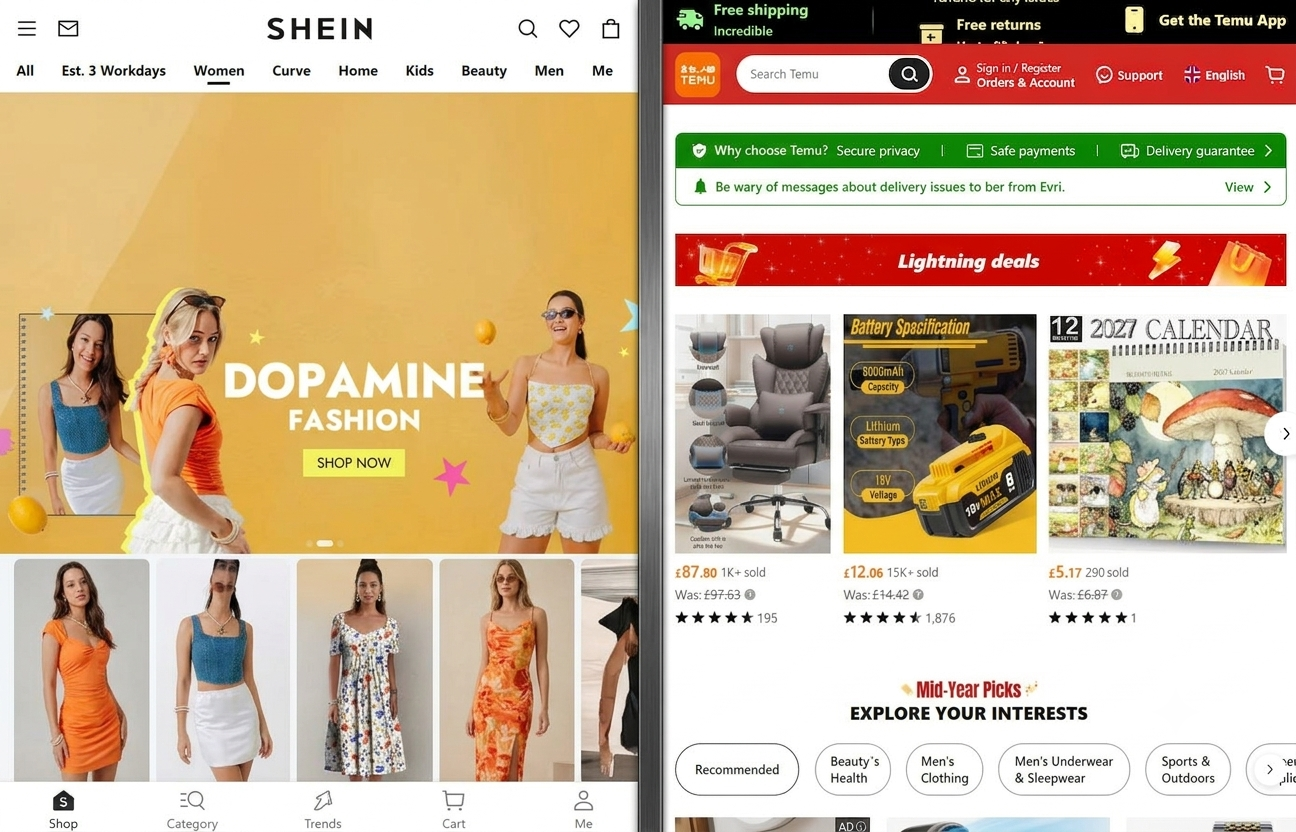
The European Union’s new €3 import tax on low-value goods (under €150) entering the bloc is set to transform the fast fashion landscape. Starting July 1, 2026, this tax targets ultra-cheap imports from Chinese giants like Shein, Temu, and AliExpress, leveling the playing field for EU-based retailers. For consumers, this means a unique opportunity to support local brands that prioritize quality, sustainability, and ethical production—without the hidden costs of long-distance shipping and environmental harm.
However, it’s important to note that not all products from these brands are made in the EU. Many still manufacture outside the bloc, including in China, so checking product labels for the origin of manufacture remains critical for those who want to prioritize truly local production.
Here’s a look at 10 EU fashion brands that are poised to thrive in this new era, offering stylish, competitive, and often more sustainable alternatives to ultra-fast fashion.
1. Zara (Spain) – Fast Fashion with a European Twist
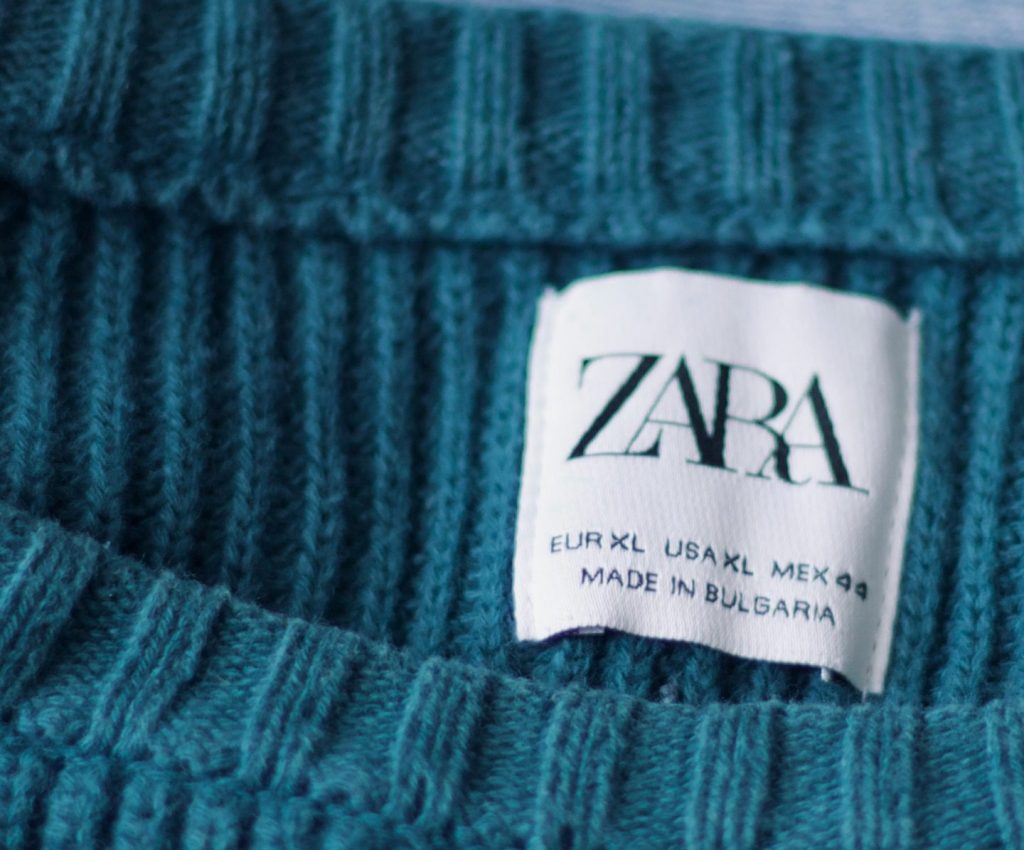
Zara, the flagship brand of Inditex, is a global leader in fast fashion, renowned for its ability to bring runway trends to the high street in record time. While Zara’s supply chain is global, a significant portion of its production takes place in Spain, Portugal, Morocco, and Turkey, ensuring rapid turnaround and closer alignment with European trends.
The brand’s agile model allows it to respond to consumer demand faster than most competitors, making it a strong contender as Chinese imports become less price-competitive.
However, not all Zara products are made in the EU, so always check the label to confirm the origin.
Zara is owned by the Spanish giant Inditex which also owns other fashion brands like Bershka, Pull&Bear, Massimo Dutti, Stradivarius, Oysho, Uterqüe, Lefties…
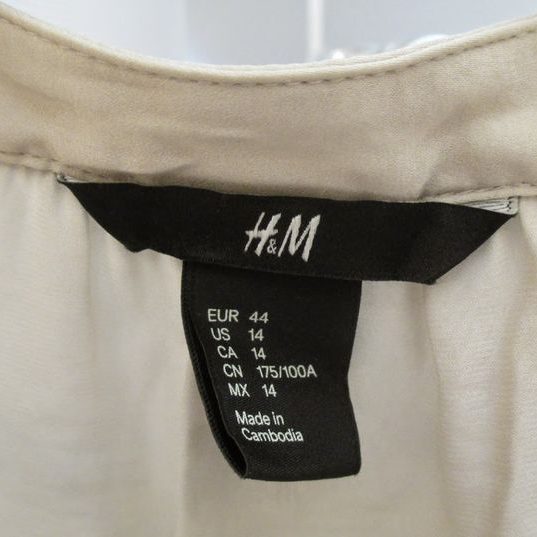
2. H&M (Sweden) – Affordable Fashion with a Sustainability Push
H&M is a household name in fast fashion, but in recent years, the Swedish giant has made strides toward sustainability and transparency.
While much of its production still occurs in Asia, H&M has been increasing its EU-based manufacturing, particularly for its premium and sustainable lines like COS and Arket.
The brand’s commitment to using recycled materials and improving labor conditions aligns with the values of conscious consumers. As the €3 tax makes ultra-cheap imports less appealing, H&M’s EU-made collections could gain even more traction. Still, not all H&M products are EU-made, so checking the label is essential.
3. Mango (Spain) – Mediterranean Style Meets Global Appeal
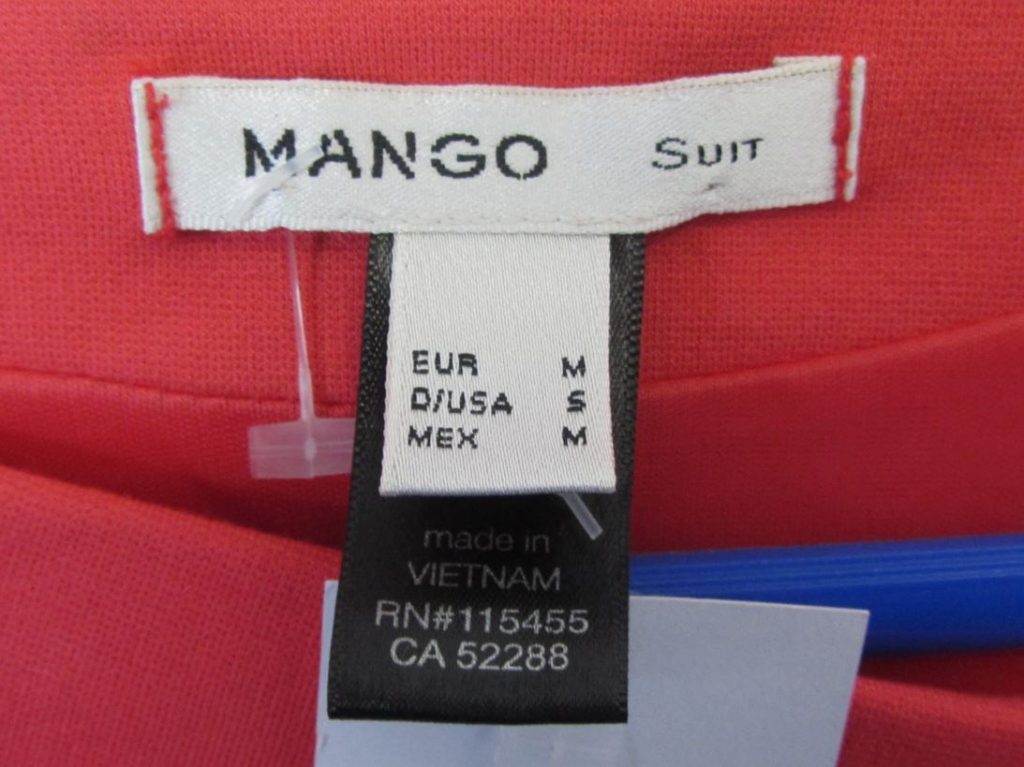
Mango is another Spanish powerhouse known for its chic, Mediterranean-inspired designs and high-quality fabrics.
The brand has a strong presence across Europe and has been expanding its local production in Spain, Portugal, and Turkey to meet demand for faster, more sustainable fashion but is still producing a lot in Asia…
Mango’s ability to blend trend-driven pieces with timeless staples makes it a favorite among fashion-forward consumers. While the brand does source some products from outside the EU, its EU-made lines are clearly labeled, offering a great alternative to Shein and Temu.
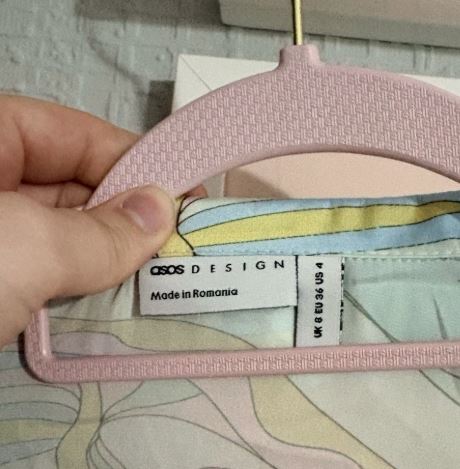
4. ASOS (UK) – Digital-First Fashion with a Local Edge
ASOS is a digital-native fashion retailer that has built its reputation on offering a vast array of on-trend styles at accessible price points.
While ASOS sources globally, it also works with UK and EU-based manufacturers, particularly for its in-house brands. The company’s agile e-commerce model and strong logistics network within Europe position it well to capitalize on the new import tax.
However, ASOS’s global supply chain means that not all products are EU-made, so consumers should verify the origin on the product page or label.
5. Kiabi (France) – Budget-Friendly Fashion for the Whole Family
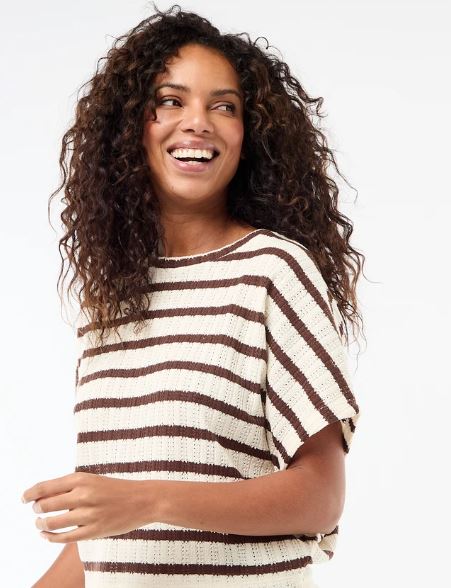
Kiabi is a French retail chain specializing in affordable, family-friendly fashion.
The brand has a strong focus on local production, with a significant portion of its clothing manufactured in France, Tunisia, and Morocco. Kiabi’s commitment to keeping prices low while maintaining ethical production standards makes it a compelling alternative to ultra-fast fashion imports.
As the €3 tax makes Chinese imports less attractive, Kiabi’s EU-made products are likely to see a surge in demand. That said, some Kiabi items are still produced outside the EU, so checking the label is key.
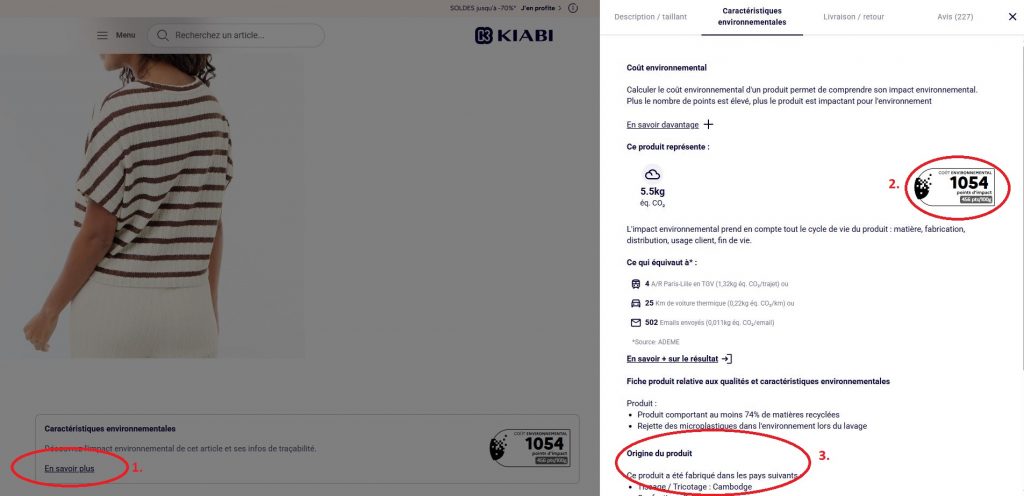
The Kiabi website has a great interface to show the origin of manufacture of its products in full transparency and even show the environmental impact of their products in relative terms (i.e. car commuting distance).
6. Dedicated (Sweden) – Sustainable Streetwear with a Purpose
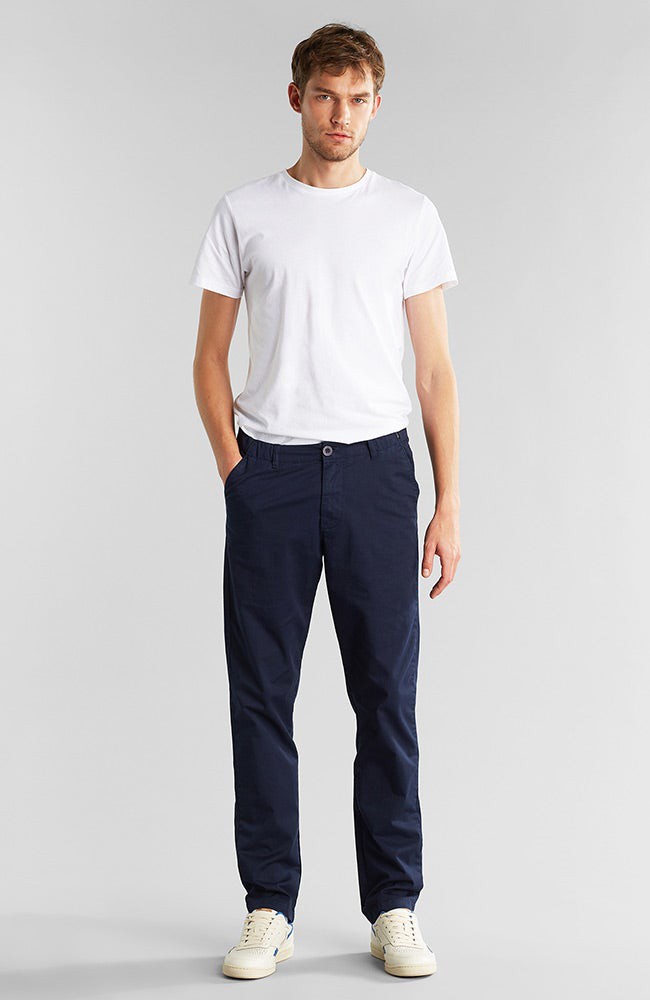
Dedicated is a Swedish brand that combines streetwear aesthetics with a strong commitment to sustainability. The brand focuses on ethical production and transparency, with many of its products manufactured in Portugal and Turkey.
Dedicated’s collections feature organic cotton, recycled materials, and fair labor practices, making it a favorite among eco-conscious consumers.
While the brand sources some materials globally, its EU-made lines are clearly labelled, offering a sustainable alternative to fast fashion imports. For most products online, they clearly show supply chain data and product manufacturing origin.
7. Honest Basics (Germany) – Affordable and Ethical Essentials
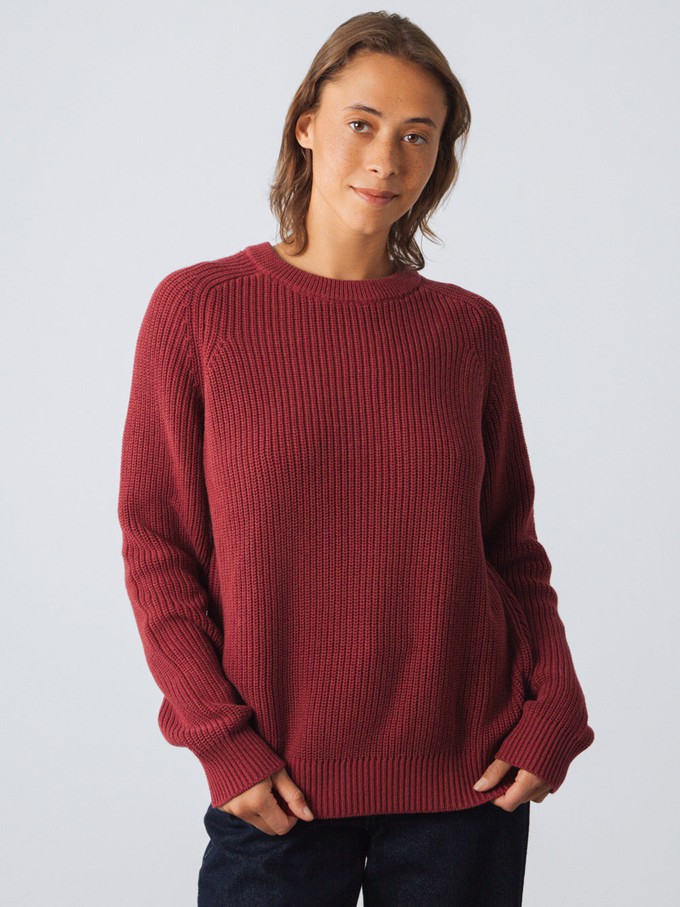
Honest Basics is a German brand dedicated to providing affordable, high-quality basics with a focus on sustainability and ethical production.
The brand produces a significant portion of its collection in Portugal and Germany, ensuring fair wages and environmentally friendly practices. Honest Basics’ minimalist designs and commitment to transparency make it a standout in the fast fashion world.
While the brand does source some materials from outside the EU, its EU-made items are clearly labeled, making it easier for consumers to make informed choices.
8. Sezane (France) – Parisian Chic with a Conscious Mindset
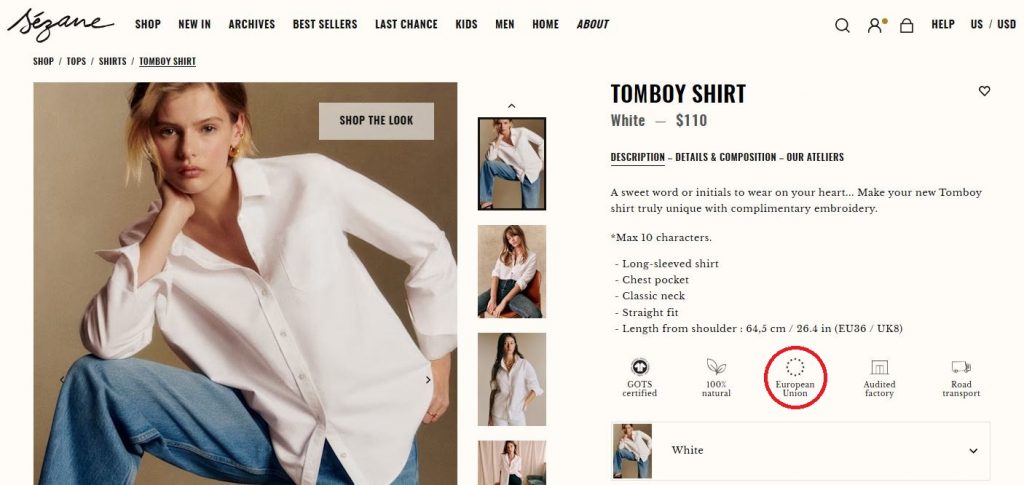
Sezane is a French brand that embodies Parisian elegance with a modern, ethical twist. They claim to be the first French fashion brand born online.
The brand is committed to sustainable and local production, with many of its products manufactured in France, Portugal, and Italy. Sezane’s focus on high-quality materials and timeless designs has earned it a loyal following among consumers who prioritize both style and ethics.
While Sezane’s prices are higher than ultra-fast fashion brands, the new import tax could make its EU-made products a more competitive option. As always, check the label to ensure the product was made in the EU.
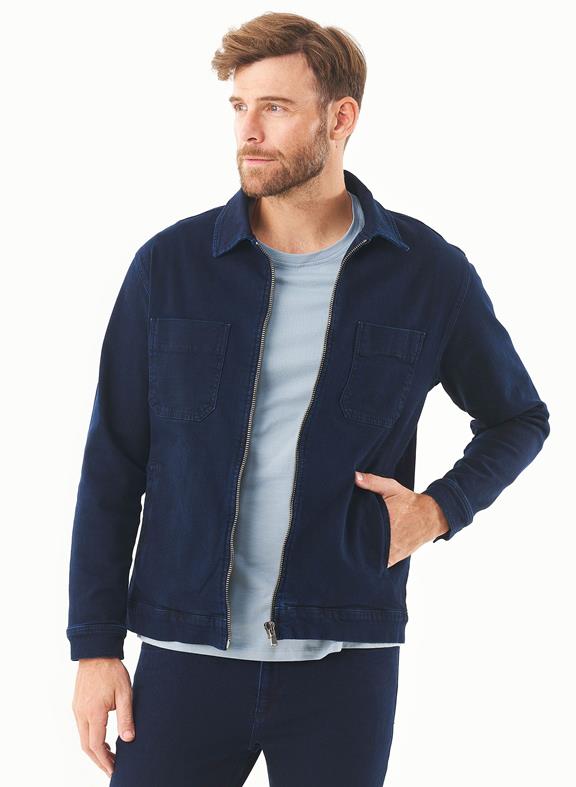
9. Organication (Germany) – Organic and Fair Fashion
Organication is a German brand that specializes in organic and fair fashion, with a strong focus on sustainability and ethical production.
The brand produces its collections in Portugal and Germany, using organic cotton, recycled materials, and fair labor practices. Organication’s commitment to transparency and sustainability makes it a great alternative to ultra-fast fashion imports.
While the brand’s prices are competitive, its EU-made products are clearly labeled, ensuring consumers can support local and ethical manufacturing. Always check the label to confirm the origin.
10. Tally Weijl (Switzerland) – Trendy and Youthful Fashion
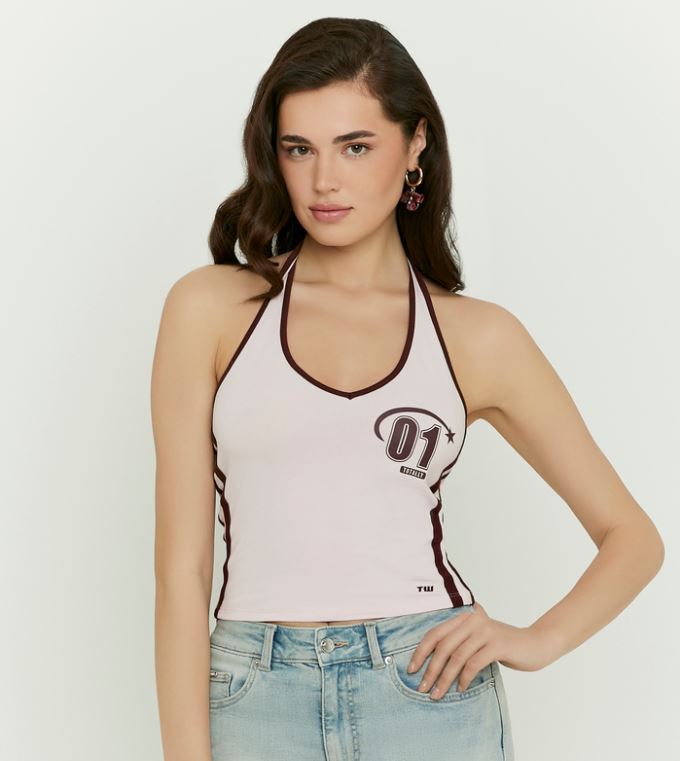
Tally Weijl is a Swiss fashion brand known for its trendy, youthful designs and affordable prices.
The brand produces a significant portion of its collections in Asia (China, Banglasdesh or Cambodia) but also in Turkey, Romania, and other EU countries, making it a popular choice among younger consumers.
While some products are sourced from outside the EU, its EU-made lines are clearly labeled.
The Bottom Line: Why Origin Matters
The new €3 import tax is a game-changer for EU fashion brands, but it’s also a reminder for consumers to be mindful of where their clothes are made. While many of these brands produce some of their collections in the EU, others still rely on global supply chains, including factories in China and other non-EU countries. By checking product labels and prioritizing EU-made items, shoppers can support local economies, reduce their environmental footprint, and enjoy fashion that’s both stylish and sustainable.
As the market shifts, these 10 brands are leading the charge in offering compelling alternatives to ultra-fast fashion—proving that style, speed, and sustainability can go hand in hand.