The UK has long been a hub for innovation, craftsmanship, and brand-building. From automotive icons to luxury fashion and everyday household names, British brands have carved out a reputation for quality and tradition. Yet, behind the scenes, a quiet transformation has taken place. Some of the most recognisable UK brands are no longer fully British. A lot of British brands are indeed owned by global companies from the US, China and even by companies based elsewhere in Europe.
This shift reflects broader trends in global business, where cross-border acquisitions and mergers have become the norm. For consumers, it’s a reminder that the products we love often have more complex origins than we realise. For businesses, it highlights the interconnected nature of modern commerce, where European investment plays a key role in sustaining and growing British brands.
So, which UK brands are actually in European hands? Let’s take a closer look.
1. Mini: The British Icon with a German Heart
Few cars are as quintessentially British as the Mini. Born in 1959 under the British Motor Corporation, the Mini quickly became a symbol of 1960s cool, thanks to its compact design and spirited performance. But while its heritage is undeniably British, its ownership tells a different story.
In 1994, BMW Group, the German automotive giant, acquired the Mini brand. Under BMW’s stewardship, the Mini was revived in 2001 with the launch of the MINI Cooper, a modern reinterpretation that retained the original’s charm while incorporating German engineering precision.
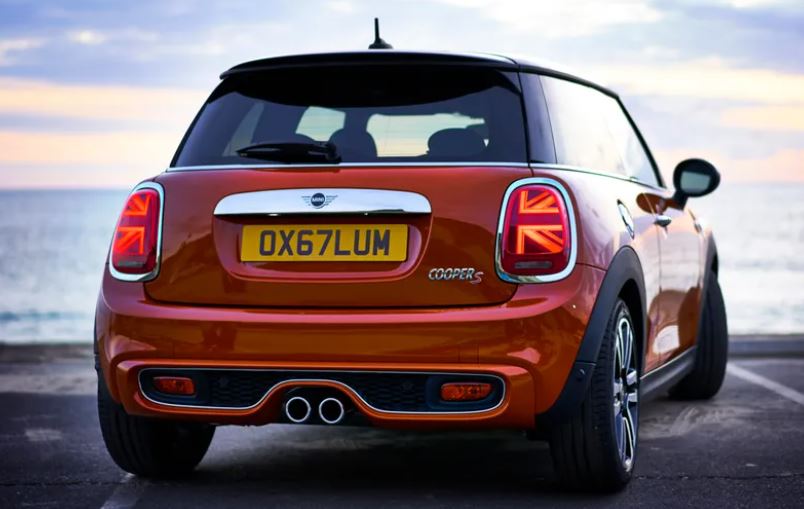
Today, Mini remains a global symbol of British style, even as it operates under the ownership of a Munich-based company. To highlight it’s British origin, some of he rear lights on modern Mini Cooper vehicles feature a Union Jack (the flag of the United Kingdom) design, with the brake lights forming the vertical lines and the indicators forming the horizontal lines. This design was introduced as standard on many models starting in 2018 to emphasize the brand’s British heritage, though it remains an expensive optional extra in markets like the US and France.
2. Dulux: The British Paint Brand with Dutch Roots
Dulux is one of the most iconic British paint brands, known for its high-quality architectural coatings and its beloved Old English Sheepdog mascot, the “Dulux Dog.” Founded in 1931 by Imperial Chemical Industries (ICI), Dulux quickly became a household name in the UK, synonymous with durability and luxury—hence its name, a blend of “durable” and “luxury.”
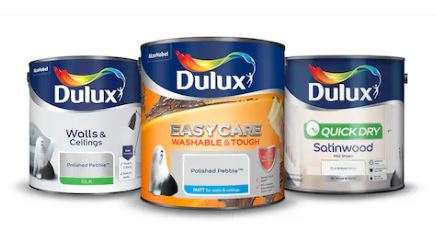
However, in 2008, Dulux was acquired by AkzoNobel, a Dutch multinational company specialising in paints and coatings. Under AkzoNobel’s ownership, Dulux has continued to thrive, maintaining its strong presence in the UK market while expanding its global reach. The brand remains a staple in British homes, even as its ownership lies across the North Sea.
3. Beefeater Gin: The London Spirit with French Ownership
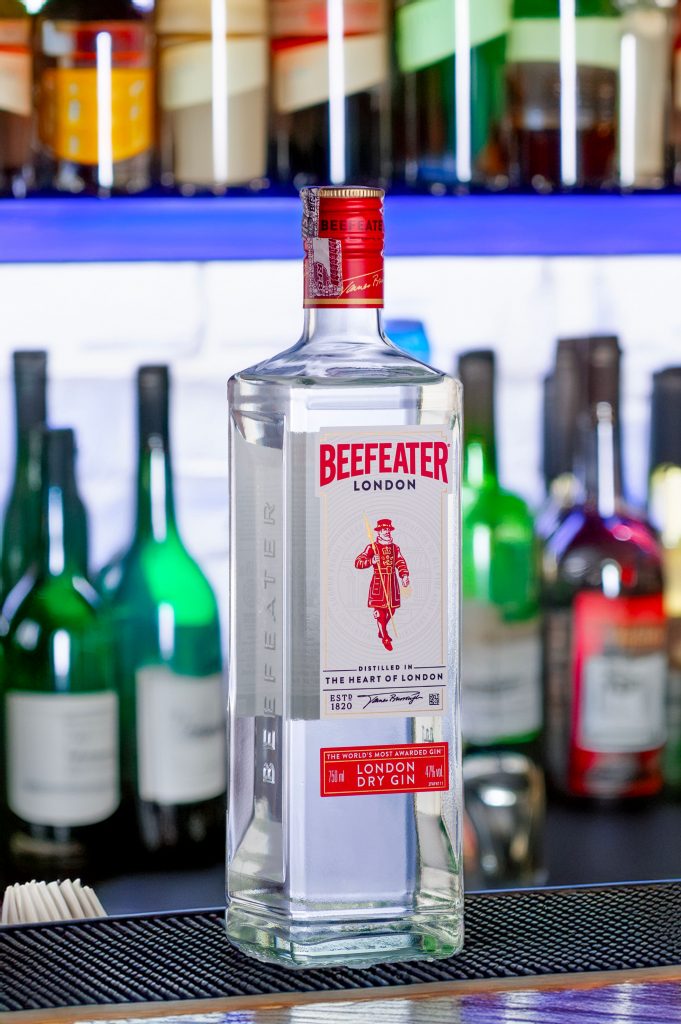
Beefeater Gin is a brand that feels as British as they come. Founded in 1863 by James Burrough, the brand’s distillery in Kennington, London, has been producing its distinctive gin for over 160 years.
Beefeater’s bold, full-bodied flavour and its association with the Yeomen of the Guard (the ceremonial bodyguards of the British monarch) have made it a staple in British culture.
Yet, in 1987, Beefeater was acquired by Whitbread, and later, it became part of Pernod Ricard, a French multinational spirits company. Despite this change in ownership, Beefeater has maintained its British heritage, continuing to produce its gin in London using the same secret recipe and traditional methods devised by James Burrough in the 1860s.
4. Arla Foods UK: The British Dairy Giant with Danish Ownership
Arla Foods UK is a major player in the UK dairy market, known for its milk, butter, and cheese products. Brands like Cravendale and Lurpak are household names in the UK, trusted for their quality and taste. However, Arla Foods UK is a subsidiary of Arla Foods, a Danish co-operative owned by dairy farmers in Denmark, Sweden, Germany, and the UK.
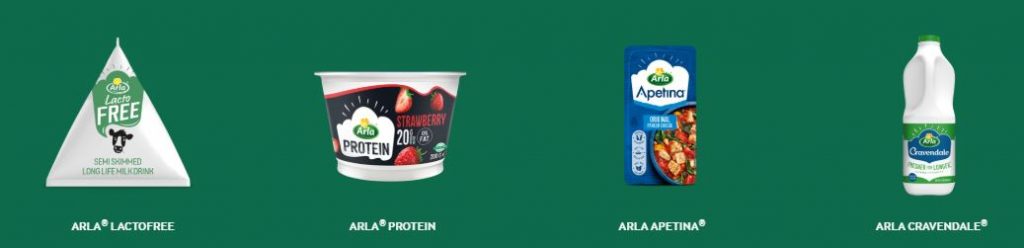
The acquisition of British dairy assets by Arla Foods has allowed the company to expand its reach and invest in the UK market. Today, Arla Foods UK is one of the largest dairy companies in the country, producing a wide range of products that are enjoyed by millions of consumers.
5. Boddingtons: The Manchester Brewery with Belgian Roots
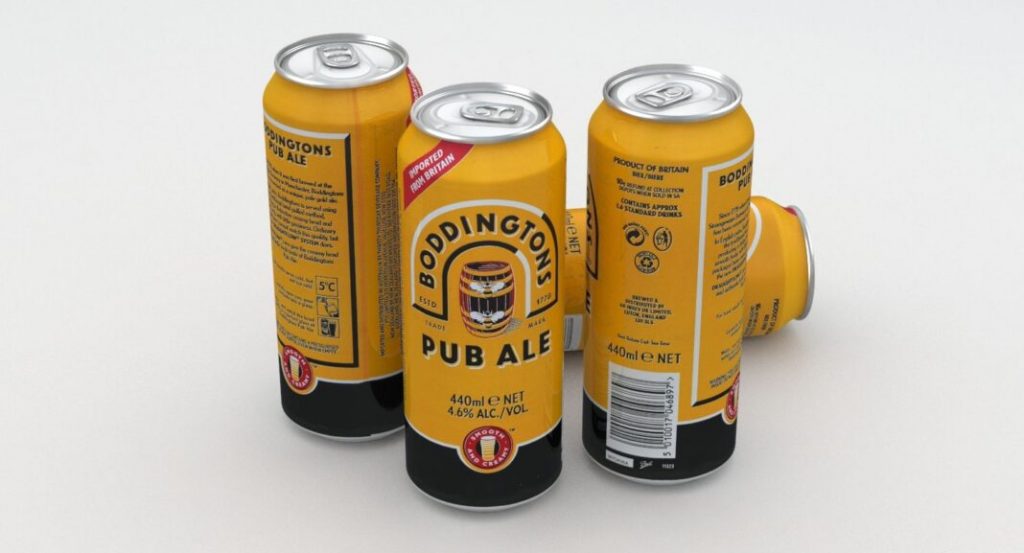
Boddingtons is a name steeped in British brewing history. Founded in Manchester in 1778, the brewery became famous for its creamy, easy-drinking bitter, which became a staple in pubs across the UK. Its iconic straw-coloured ale and the slogan “The Cream of Manchester” made it a beloved part of British drinking culture.
However, in 2005, Boddingtons was acquired by InBev, a Belgian brewing company, which later merged with Anheuser-Busch to form Anheuser-Busch InBev. The acquisition marked a new chapter for the brand, as it became part of one of the world’s largest brewers. While production of Boddingtons has continued, the brand’s ownership by a Belgian company highlights how even the most traditional British institutions can become part of a global network.
6. Alexander McQueen: The British Fashion House with French Backing
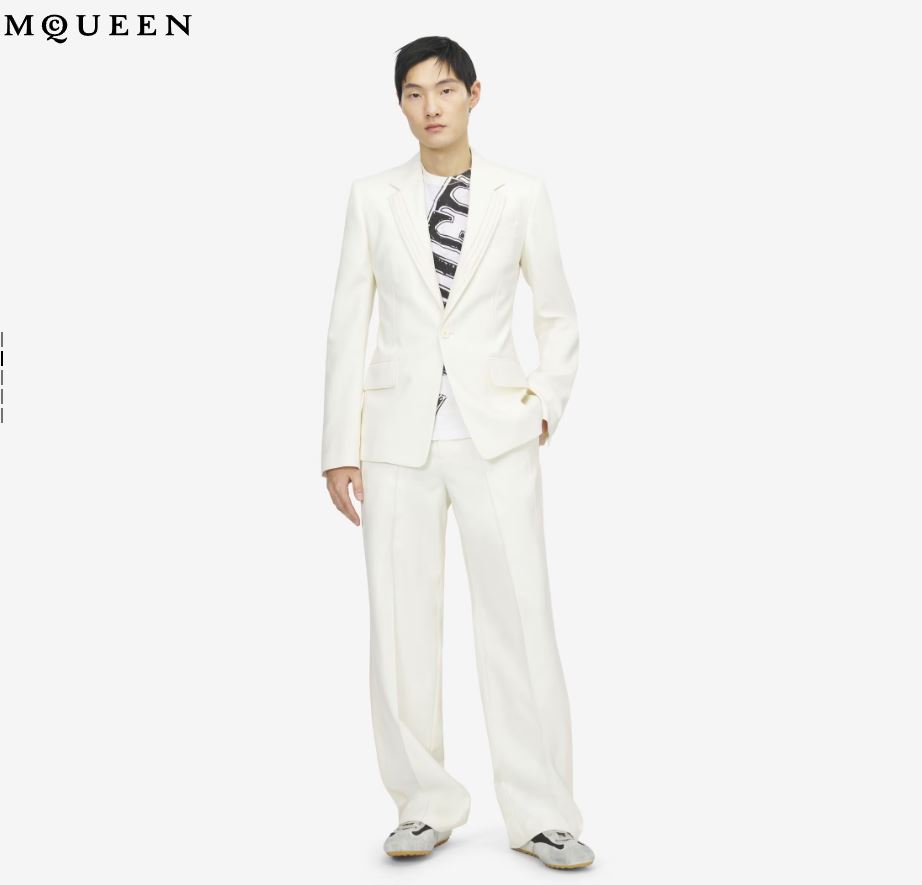
Alexander McQueen is one of the most iconic names in British fashion. Founded by Lee Alexander McQueen in 1992, the brand quickly gained a reputation for its avant-garde designs, sharp tailoring, and theatrical runway shows. McQueen’s work was celebrated for its creativity, craftsmanship, and ability to push the boundaries of fashion.
In 2000, Gucci Group (now part of Kering, a French multinational) acquired a 51% stake in Alexander McQueen. This acquisition allowed the brand to expand its global reach, open boutiques worldwide, and diversify its product range to include perfumes, accessories, and menswear. Despite its French ownership, Alexander McQueen remains a symbol of British fashion innovation and excellence.
7. Rimmel London: The British Beauty Brand with French Ownership
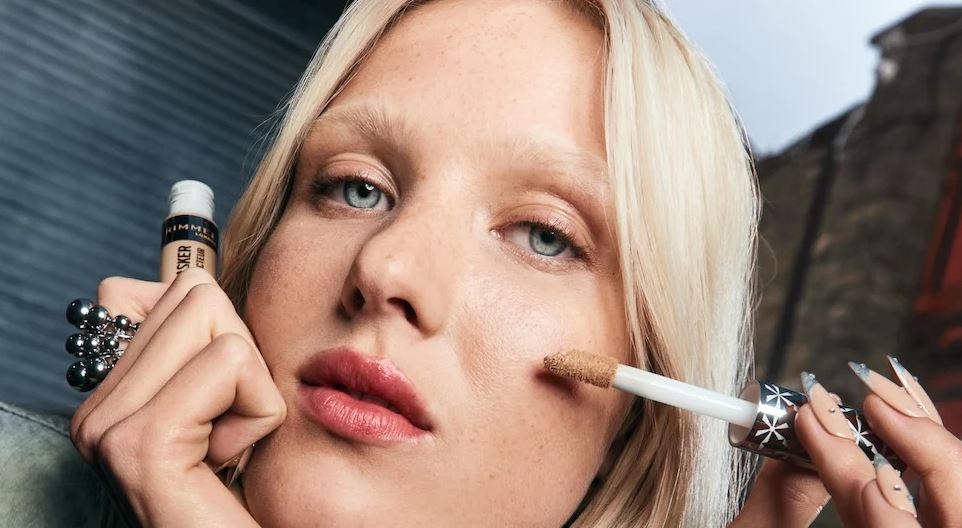
Rimmel London is one of the oldest and most iconic British cosmetics brands, founded in 1834 by Eugène Rimmel in London. Known for its affordable yet high-quality makeup, Rimmel has been a staple in the beauty industry for nearly two centuries.
The brand’s slogan, “Get the London Look,” reflects its deep roots in British culture.
In 2016, Rimmel was acquired by Coty, a global beauty company headquartered in France. Under Coty’s ownership, Rimmel has continued to expand its global presence while maintaining its British identity. The brand remains a favorite among consumers worldwide, offering a wide range of products from mascara to lipsticks.
8. John Lobb: The British Luxury Footwear Brand with French Ownership
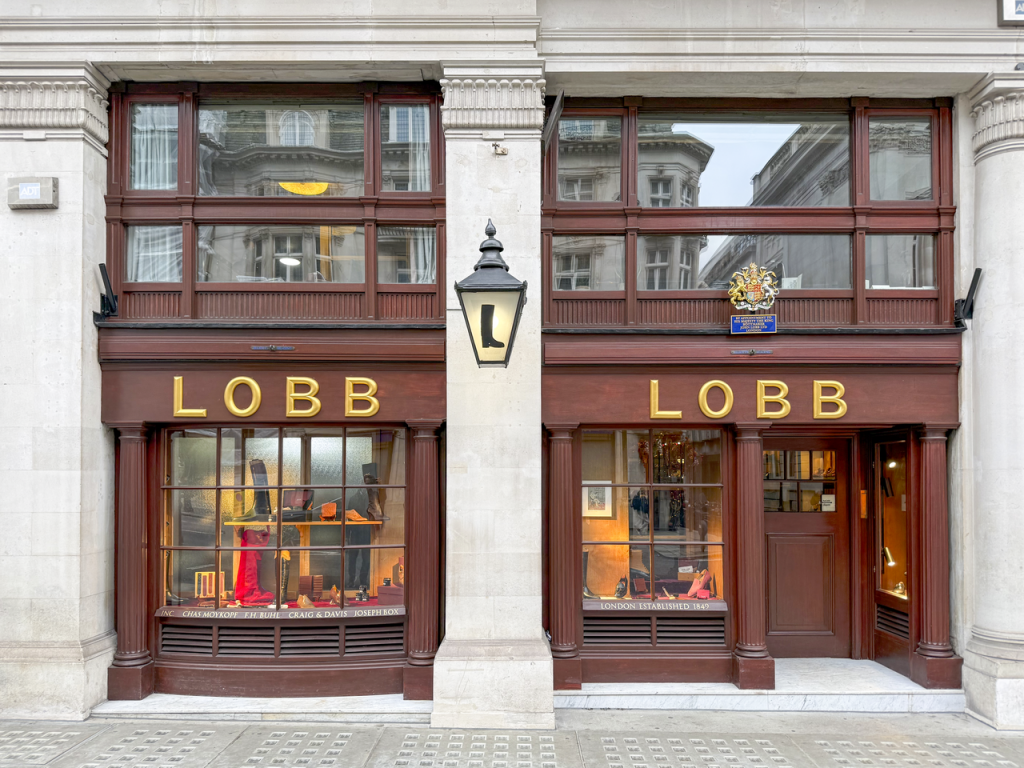
John Lobb is a name synonymous with luxury footwear. Founded in 1849, the brand has a long history of crafting bespoke shoes for royalty, aristocracy, and discerning customers around the world. Its reputation for quality and craftsmanship is unmatched, making it one of the most prestigious names in British shoemaking.
Yet, in 1976, John Lobb was acquired by Hermès, a French luxury goods manufacturer. Under Hermès’ ownership, John Lobb has continued to produce its iconic shoes, maintaining its commitment to traditional craftsmanship while benefiting from the resources and global reach of its French parent company.
The Bigger Picture: What Does This Mean for the UK?
The European ownership of these UK brands is a reflection of the broader economic and cultural ties between the UK and Europe. These acquisitions bring with them investment, innovation, and access to global markets, all of which can benefit the brands and their consumers.
Yet, they also raise important questions. Does European ownership dilute the British identity of these brands? Or does it provide them with the resources and opportunities they need to thrive in an increasingly competitive global market? For many, the answer lies somewhere in between. While ownership may have changed, the heritage and values of these brands remain deeply rooted in British culture. As the business landscape continues to evolve, the relationship between UK brands and their European owners is likely to deepen. Factors such as Brexit, sustainability, and digital transformation will all play a role in shaping the future of these brands.
For now, the next time you paint a wall with Dulux, drive a Mini, enjoy a Boddingtons ale, sip a Beefeater gin, or apply Rimmel makeup, take a moment to appreciate the blend of British heritage and European influence that makes these brands what they are today. Or if you are based in the United Kingdom and want to support European businesses locally, think about these alternatives to other British (or American owned) brands.