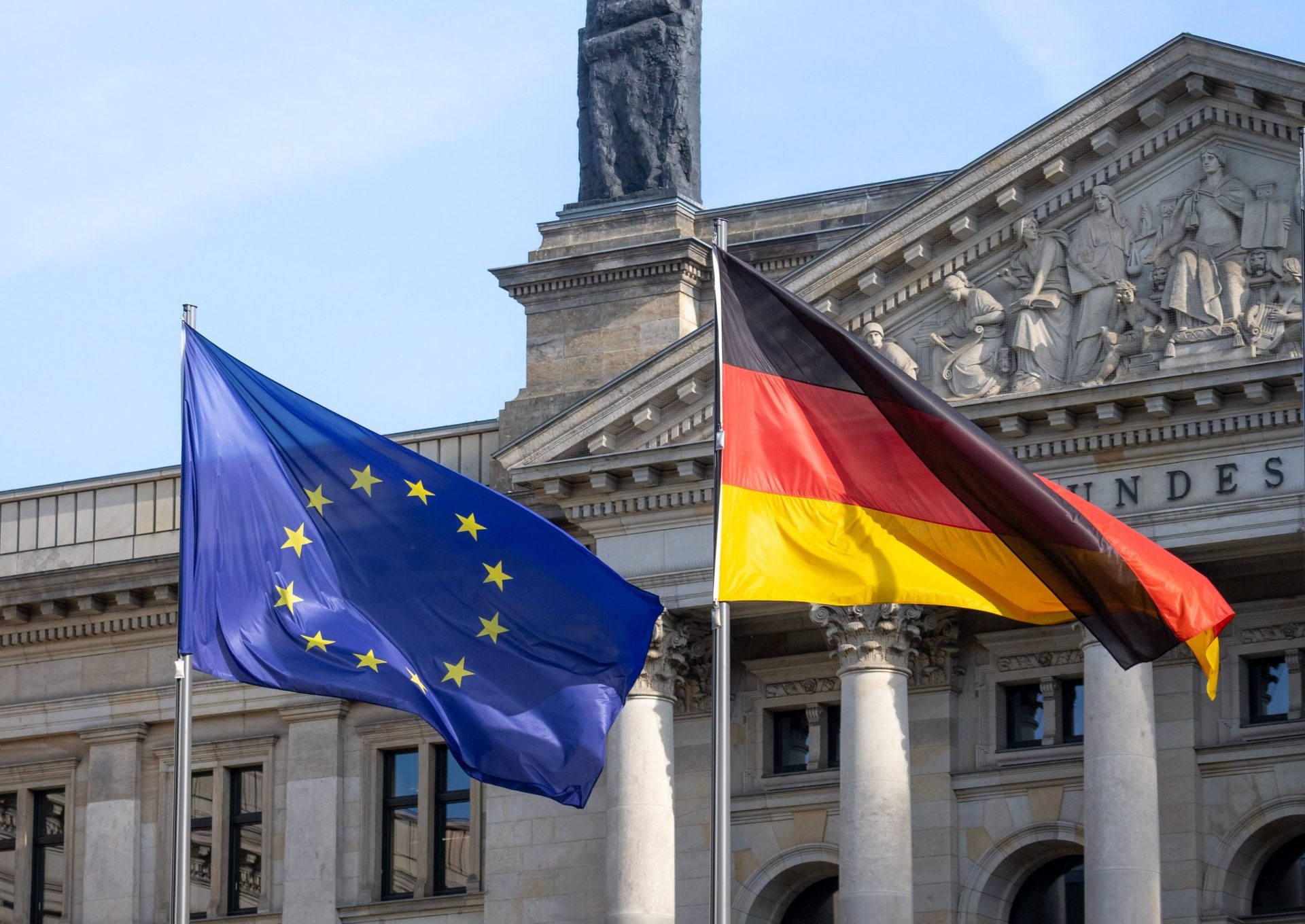
A Toast to Unity and to German Craftsmanship
Every 3rd of October, Germany celebrates the Day of German Unity (Tag der Deutschen Einheit): the national holiday commemorating German reunification in 1990. It is a day of peace, togetherness, and quiet pride. And what better way to mark it than with a quest in Sir OriginEU’s favourite spirit: discovering everyday consumer products that are genuinely made in Germany?
The label “Made in Germany” has an interesting backstory: it was originally introduced in late 19th-century Britain as a warning against cheap German imitations. History had the last laugh as today, the label is a global seal of quality, durability, and engineering excellence. When you buy German-made, you’re not just buying a product; you’re investing in centuries of craftsmanship and in a strong European economy.
Let’s grab our map and magnifying glass, fellow travellers! Let’s discover 16 great brands made in Germany! This quest takes us from Solingen’s blade forges to Swabia’s chocolate kitchens.
Household & Kitchen: The Heavyweights
1. Zwilling J.A. Henckels – The Twin Blades of Solingen
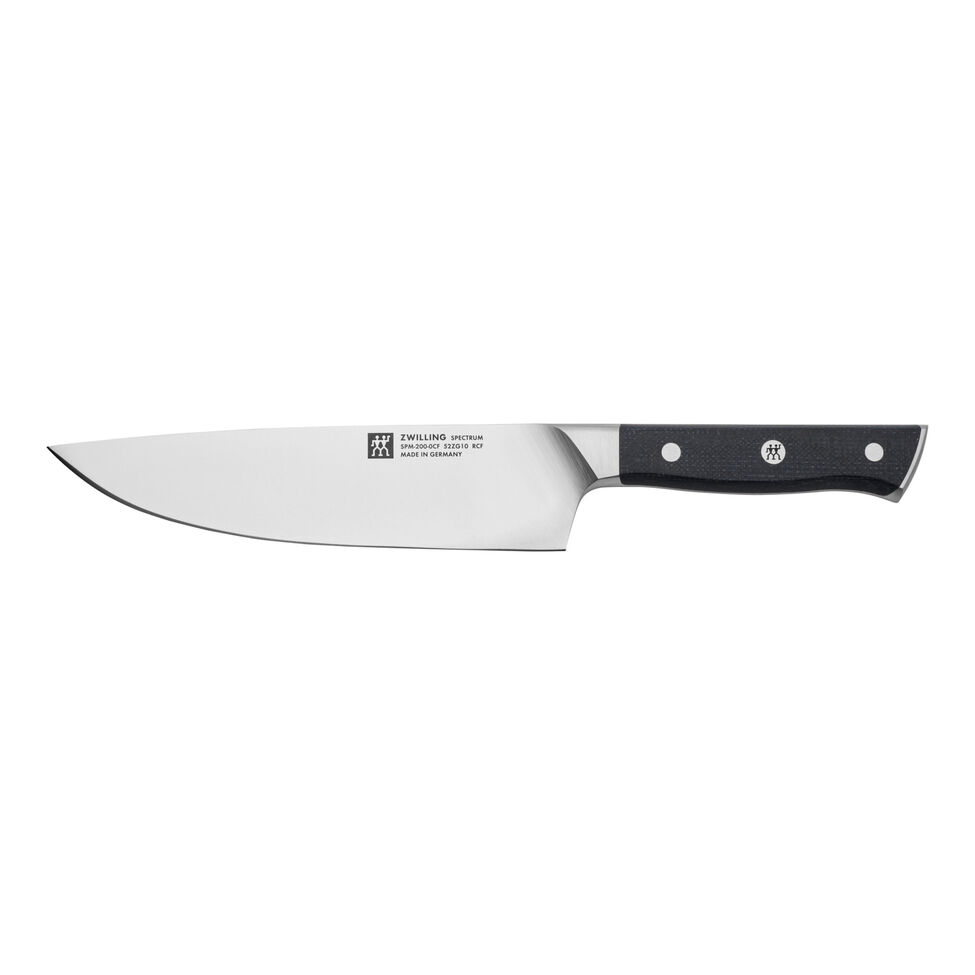
Founded in 1731, Zwilling is one of the oldest brands in the world still producing its core product in its original city. Its kitchen knives, scissors, and cookware are forged and finished in Solingen, the legendary “City of Blades”, using techniques refined over nearly three centuries.
Since 1970 the brand has belonged to the family-owned Werhahn group, a diversified German conglomerate, which has kept the Solingen production tradition alive.
One caveat for the careful traveller: the Zwilling group also operates factories abroad. It produces in France for the brand Staub, in Belgium for Demeyere, in Italy for Ballarini and has a Japanese production for its Miyabi knife line. A properly maintained Zwilling chef’s knife is famously passed down through generations, making it the very opposite of disposable consumption.
2. Wüsthof – The Trident of the Blade City
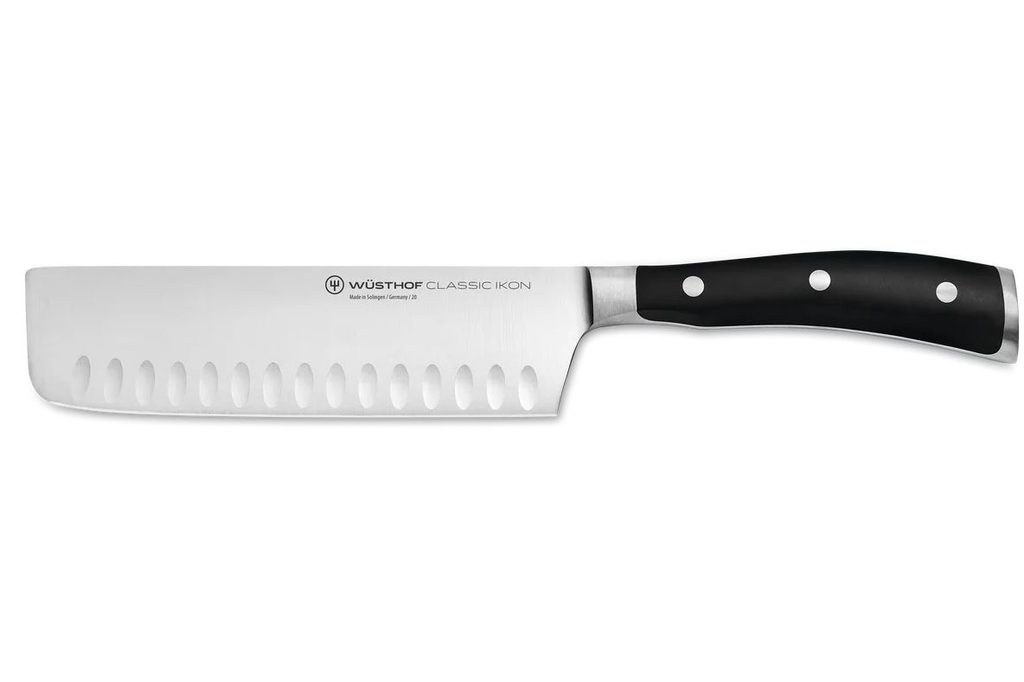
Family-owned since 1814 and now in its seventh generation, Wüsthof forges every one of its classic kitchen knives in Solingen. Precision robots shape each blade through more than 40 production stages, but the finishing polish and final sharpening are still done by hand. The red trident on the blade is a promise: German steel, German craftsmanship, and a tool that will outlive most of the gadgets in your kitchen drawer.
3. Miele – The Aristocrat of Domestic Appliances
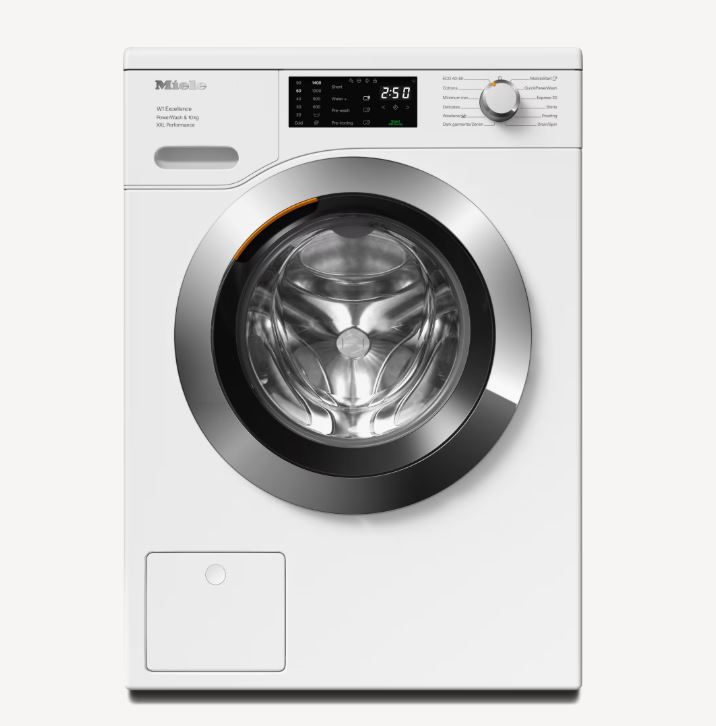
“Immer besser” — forever better — has been the family-run company’s motto since 1899, and it shows. Miele famously subjects its washing machines, dishwashers, and vacuum cleaners to endurance tests simulating a full 20 years of household use, far beyond industry norms.
Its premium appliance lines are still produced at German plants in Gütersloh and beyond — though fellow travellers should note that Miele also operates some production sites outside Europe, so the country of origin can vary by product line.
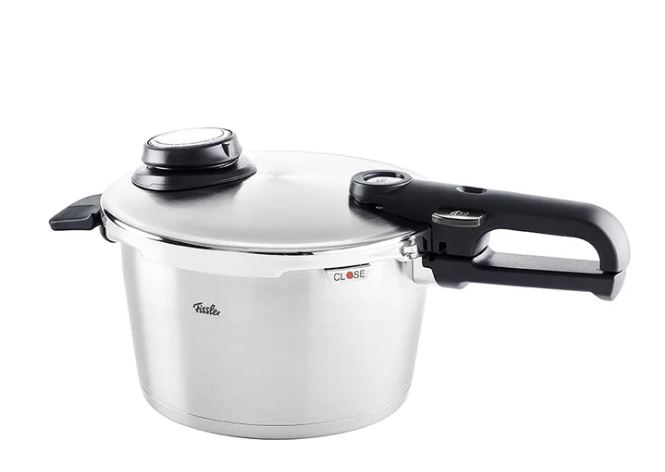
4. Fissler – The Pressure-Cooker Pioneer of the Hunsrück
Family-run for five generations since 1845, Fissler built its reputation on one of the kitchen’s most misunderstood heroes: the pressure cooker.
Its Vitavit models, still made in Idar-Oberstein, combine German engineering with genuinely usable safety features, and its stainless-steel pans are a staple of serious home cooks across Europe. The company is transparent about it, too: its products are mainly made in Germany, as Fissler itself confirms.
Toys & Play: Made for Generations
5. Steiff – The Button-in-the-Ear Inventor of the Teddy Bear
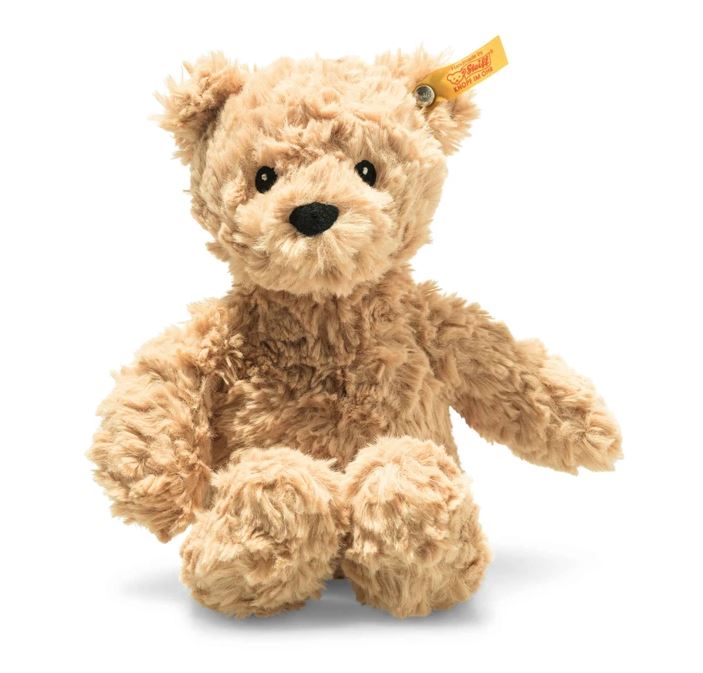
In 1902, Margarete Steiff’s nephew Richard created a plush bear that would conquer the world. Now Steiff has been sewing its plush animals in its home town for over 140 years, using materials tested far beyond legal requirements.
Note the origin of manufacture, fellow traveller: the core Steiff production still takes place in Giengen an der Brenz, though some animals are also produced in Portugal and Tunisia. In 2004, Steiff tried to also manufacture from China but ceased outsourcing in 2009 due to persistent quality control issues and excessive shipping delays, which compromised the brand’s premium reputation.
A Steiff bear is not just a toy; for many families it’s an heirloom that survives childhoods, house moves, and generations of hugs.
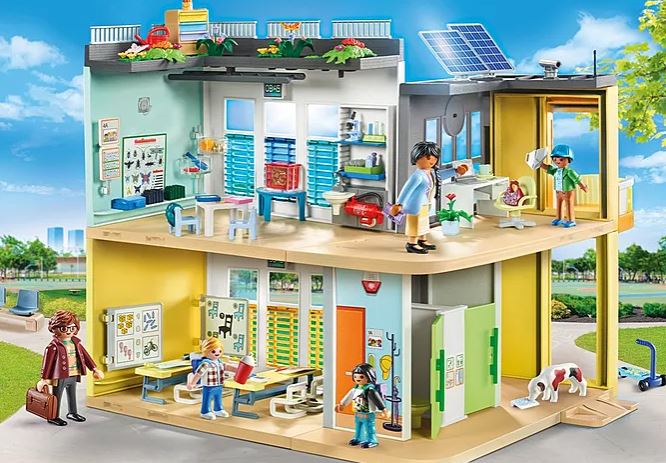
6. Playmobil – The Little Figures with the Iconic Smile
Since 1974, Paymobil creates smiling 7.5 cm figures from Zirndorf have been the stars of children’s playrooms worldwide.
The brand runs its own plastics production at its Bavarian headquarters and an EU plant in Malta, keeping the vast majority of its manufacturing within Europe — a deliberate choice, and a rarity in a toy industry that largely moved to Asia.
From knight castles to modern rescue vehicles, each set is still largely designed and made close to home, then exported to more than 100 countries.
7. Ravensburger – The Blue Triangle of Puzzles and Games
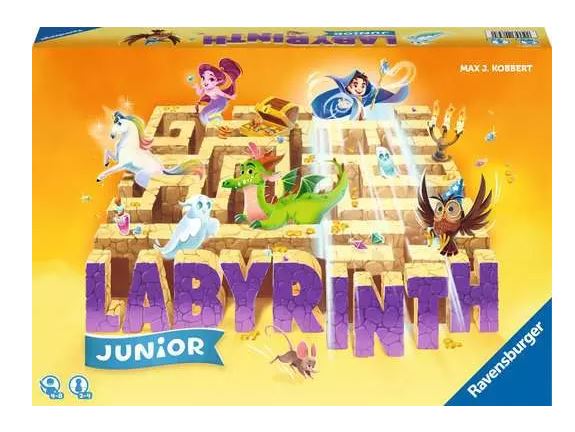
The blue triangle logo is one of the most recognised trademarks in European family homes. Since 1884, Ravensburger has been printing and die-cutting puzzles in Ravensburg with a precision that makes pieces click satisfyingly into place — and most puzzles sold today are still “Made in Germany”.
Beyond puzzles, its board games and children’s books have made it a quiet giant of thoughtful, screen-free play.
Shoes & Fashion: Walking German
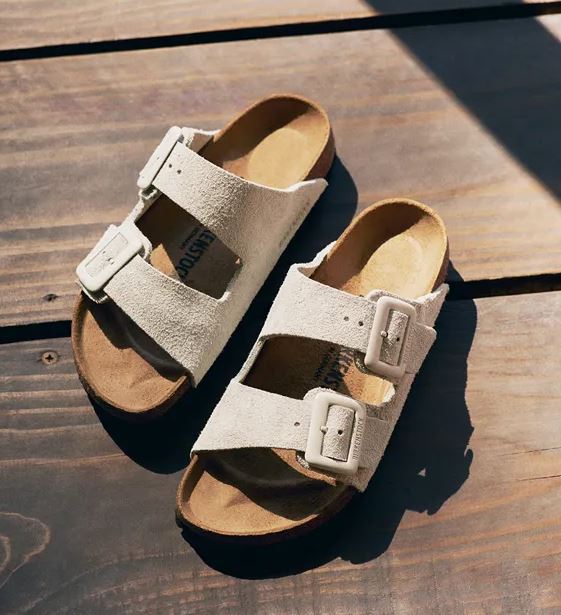
8. Birkenstock – The Anatomical Footbed That Conquered the World
For Birkenstock, the story begins in 1774, when shoemaker Johann Adam Birkenstock started making shoes in a small German village. Two centuries later, the deep, anatomically shaped cork-latex footbed would become a global icon: loved by health enthusiasts, hippies, fashion designers, and everyone in between.
The vast majority of its sandals are still made in German plants, with additional production in Portugal. But note, fellow traveller: since 2021 the majority owner has been an LVMH-backed group — a perfect example of why checking both production and ownership matters.
9. Zeha Berlin – The East German Sports Shoe Reborn
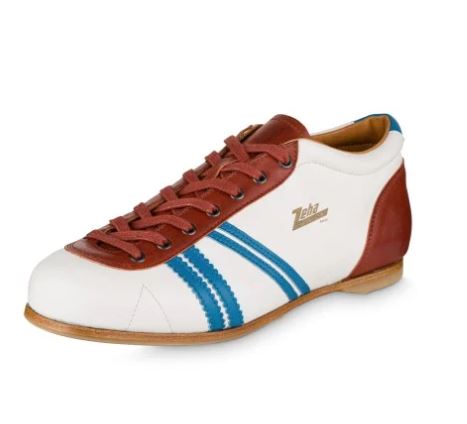
Few brands tell the story of German unity as literally as Zeha. Founded in Halle in 1897, the shoemaker became East Germany’s leading sports shoe manufacturer, equipping GDR athletes until reunification upended its world in 1990.
After the brand faded, it was revived in the 2000s with production returned to Germany — today its hand-finished leather sneakers and classic sports shoes are made in a traditional German shoe region, and many models carry the “Made in Germany” label. On the Day of German Unity, a pair of Zehas is perhaps the most fitting footwear of all.
10. Trippen – The Avant-Garde Cobbler of Berlin
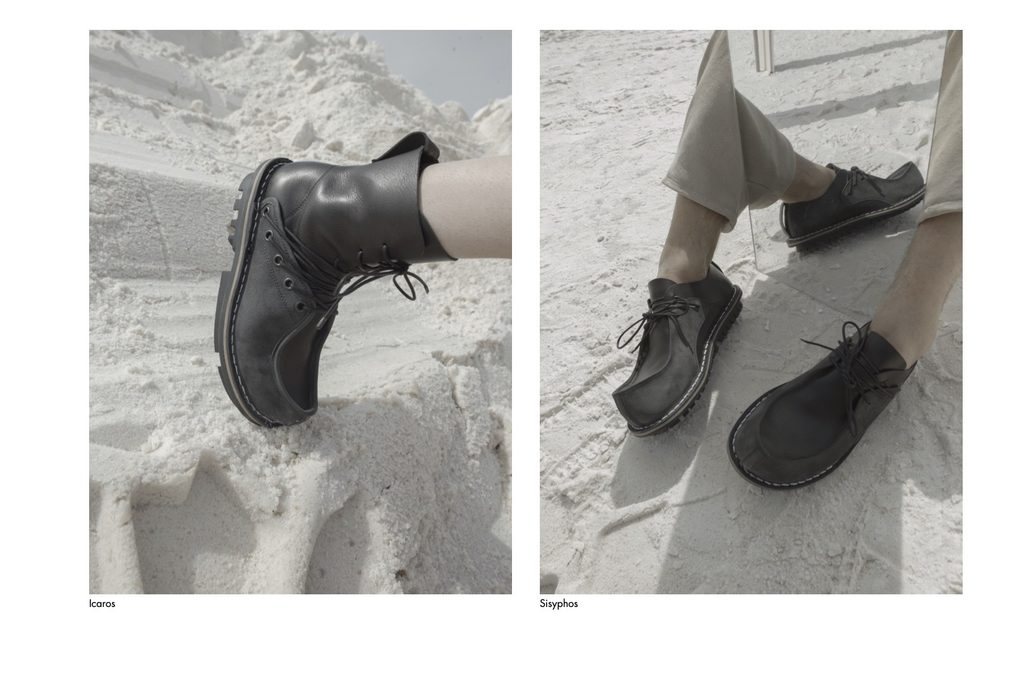
While most shoe production left Europe decades ago, Trippen stubbornly kept its manufacturing in its own Berlin workshop, where artisans have been constructing its sculptural wooden-soled shoes since the 1990s.
The brand is refreshingly open about its supply chain — its “Made in Germany” page details the local materials and workshop partnerships behind every pair. It proves that creative, unconventional design and ethical, local production are not mutually exclusive — and its durable, repairable shoes are designed to be resoled rather than replaced.
Stationery & Design: The Tools of Ideas
11. Faber-Castell – The World’s Oldest Pencil Maker
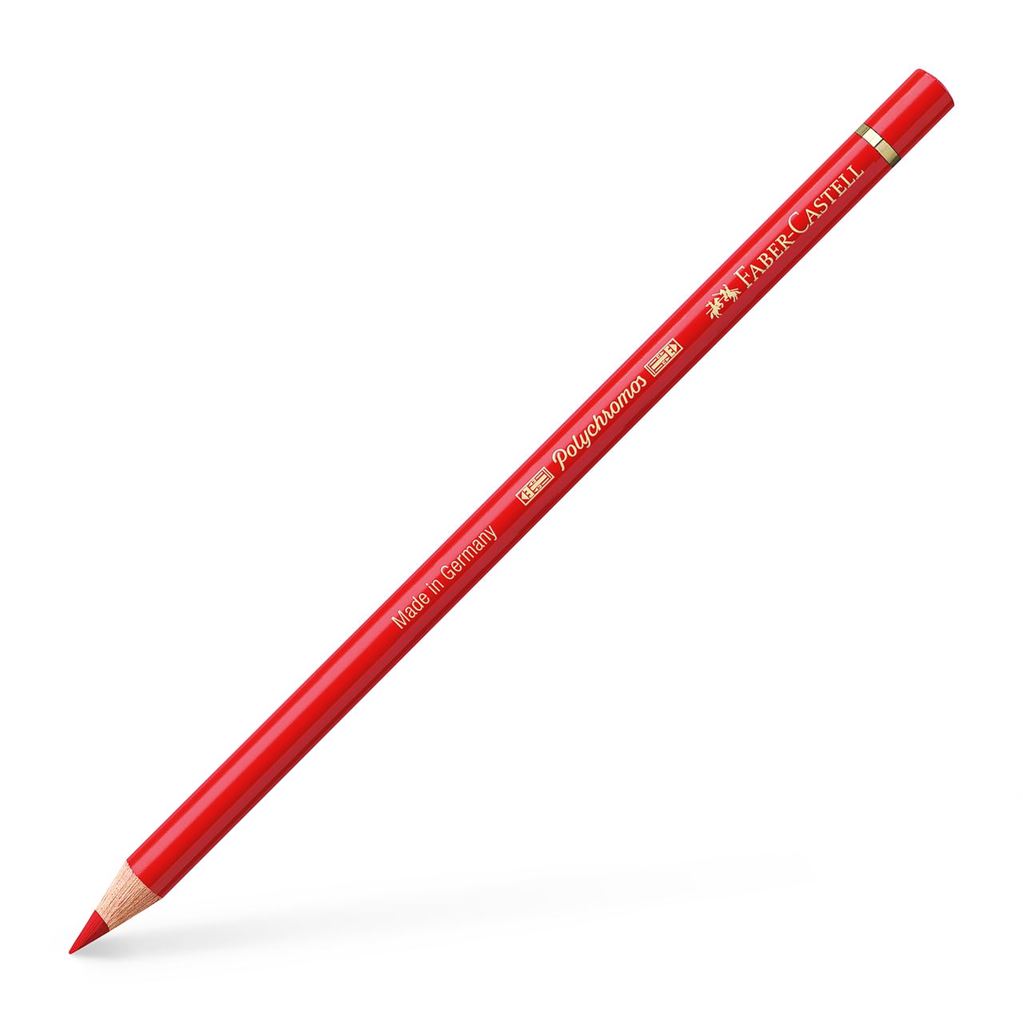
Founded in 1761, Faber-Castell is one of the oldest industrial companies in the world, and its wood-cased pencils are still produced at the historic Stein site near Nuremberg — right next to the family castle. The company also grows a large share of its own wood in sustainably managed forests in Brazil and Colombia, making it one of the few pencil makers that controls its supply chain from seed tree to sharpened point. Its Grip 2000 pencil alone has taught generations of schoolchildren to write.
12. Schwan-STABILO Group – The Highlighter That Colours Every Desk
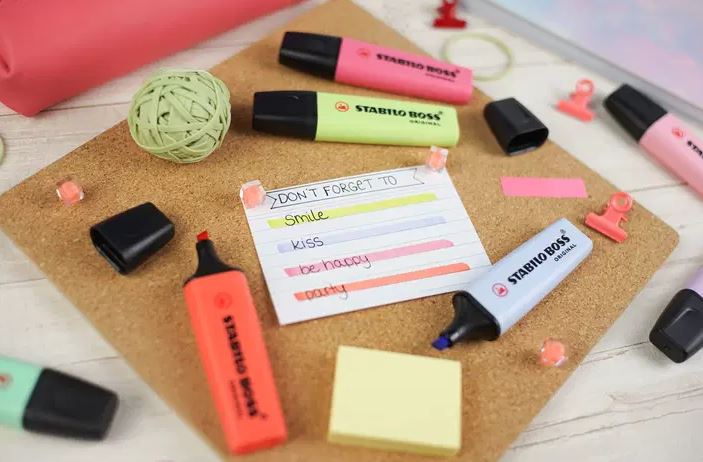
From its home in Heroldsberg, the family company Schwan-STABILO has been making writing instruments for over 160 years — but it is far more than a pen maker. The Schwan-STABILO Group encompasses several German businesses, including its cosmetics division (a world leader in cosmetic pencils, made in Bavaria) alongside its classic writing instruments. Its STABILO Boss highlighter, with the unmistakable folded-back shape, has been bringing fluorescent colour to student notes since 1971, and much of its production still takes place in Bavaria and nearby European plants.
Personal Care: Green Chemistry from the Black Forest
13. Nivea – The Blue Tin That Skincare Built
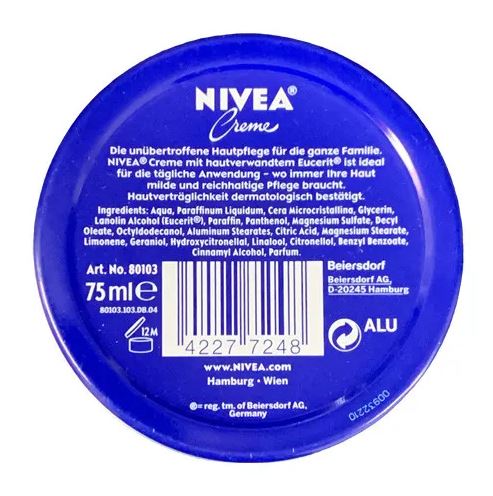
The white cream in the blue tin is one of the most recognised skincare products on the planet. Nivea was first developed in 1911 when Hamburg chemists first succeeded in creating a stable oil-in-water emulsion.
Now, Nivea Crème is still produced in Hamburg today by parent company Beiersdorf, which also runs major German research facilities. A quick word of caution, though: not every Nivea product on the shelf shares the same cradle — production of some product lines and regional variants takes place outside Germany, so the classic blue tin remains the safest choice for a genuinely German-made purchase.
14. Weleda – The Pioneer of Natural Cosmetics
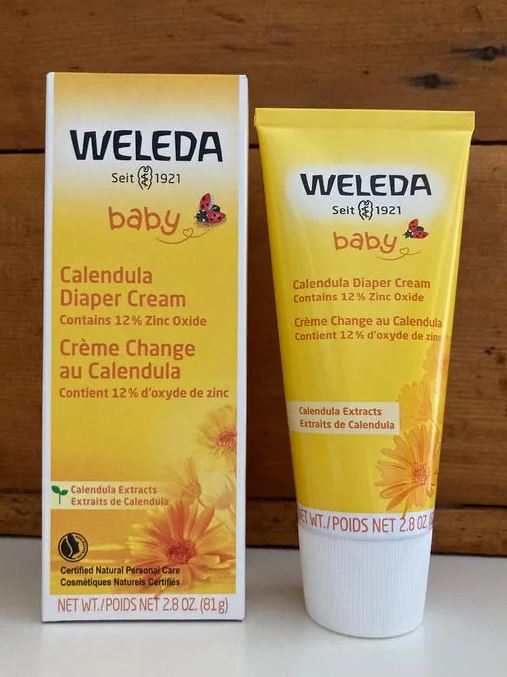
Since 1921, Weleda has been making skincare from natural, largely organic ingredients — long before it became an industry trend. Its medicinal plants are grown in its own gardens near Schwäbisch Gmünd, and iconic products like Skin Food, the calendula baby line, and the birken oil have achieved cult status far beyond Germany’s borders.
Production takes place in Germany and Switzerland, adhering to the strict standards of anthroposophic medicine, which the company helped develop.
Food & Drink: Sweet Souvenirs of Unity
15. Ritter Sport – The Square Chocolate from Swabia
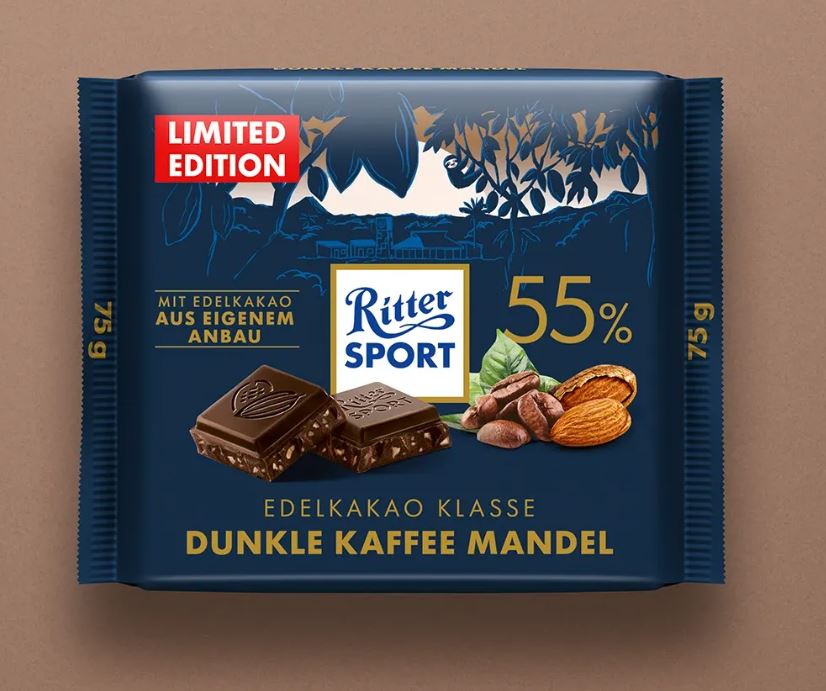
Ritter Sport‘s colourfully wrapped squares was introduced in 1932 so the chocolate bar would fit into every sport jacket pocket without breaking. This made the brand one of Germany’s best-loved chocolate brands.
Still family-owned since 1912, it still produces most of its chocolate in Stuttgart-Bad Cannstatt. One honest note for the map: the cocoa itself obviously doesn’t grow in Germany — Ritter Sport sources it through its own farm in Nicaragua and long-term partnerships with cocoa cooperatives abroad, while the manufacturing stays firmly in Swabia. Its factory shop with the famous 24-hour “chocolate world” has become a pilgrimage site for sweet-toothed travellers from across Europe.
16. Halloren – The Oldest Chocolate Factory in Germany, from the East
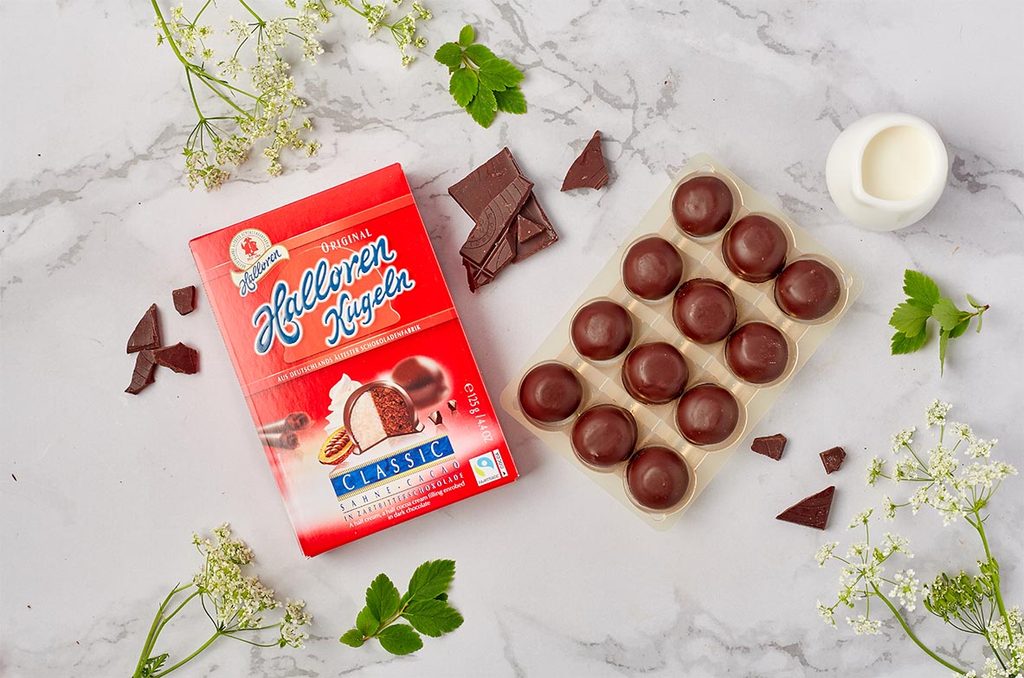
If any chocolate belongs in a Day of German Unity feature, it is Halloren. Founded in Halle (Saale) in 1804, it is the oldest chocolate factory in Germany and was one of the few confectionery producers of the former East Germany to survive reunification — today it is once again majority German-owned and produces its famous “Halloren-Kugeln” (little chocolate balls, a shape inspired by the spherical buttons of the Halle salt workers’ uniforms) in its historic hometown. A sweet piece of East German industrial history, still melting hearts on both sides of the former divide.
A Word from Sir OriginEU: Verify Before You Trust
Even in Germany, the quest demands vigilance:
- Ownership ≠ production. Some famous German brands (like Adidas or Puma) are German-owned but manufacture largely in Asia. Others, like Birkenstock, now majority-owned by an LVMH-backed group, have changed hands internationally while keeping production in Germany or the EU.
- Product lines vary. Big manufacturers may produce premium lines in Germany and budget lines abroad. Always check the specific product’s label.
- Look for the label. “Made in Germany” on the product or packaging is the legal origin declaration — marketing flags and German-sounding names are not.
Conclusion: Choose with Purpose
The Day of German Unity reminds us how much can be achieved when countries and people come together. In that same spirit, every German-made purchase, like a Solingen knife, a Steiff bear or a square of Ritter Sport, is a small act of support for skilled European jobs, strict EU environmental and labour standards, and products designed to be kept, not discarded.
Frohen Tag der Deutschen Einheit — and happy questing!