The retail landscape in Europe is no longer defined solely by traditional shopping seasons like Christmas or summer sales. Over the past decade, global shopping events such as Amazon Prime Day in October and Black Friday in November have reshaped consumer behaviour, pushing businesses across the continent to adapt, resist, or innovate. While these events originated in the United States (originally to capitalise ahead of the Thanksgiving weekend), their influence has spread rapidly, prompting a diverse range of responses from European retailers.
As these global discount phenomena grow in prominence, European businesses find themselves at a crossroads. Some have fully embraced these trends, integrating them into their annual strategies. Others, however, are pushing back, either by refusing to participate or by promoting alternative shopping philosophies that align with local values and sustainability goals. Meanwhile, a handful of uniquely European discount moments continue to thrive, offering a counterbalance to the Americanized retail calendar.
The Rise of Global Discount Events in Europe
Amazon Prime Day, typically held in October, has evolved from a simple anniversary celebration for Amazon into a major retail event across Europe. In 2025, Prime Day spanned four days (July 8–11), marking its longest duration yet. While Amazon declared it a “record-breaking event,” the company withheld specific sales metrics, such as the total number of items sold, which had been publicly shared in previous years (e.g., 375 million items in 2023).
A Munich court ruling in 2025 found that Amazon’s Prime Day discounts violated the EU Price Indication Directive, as some discounts were benchmarked against the Manufacturer’s Suggested Retail Price (MSRP) rather than the retailer’s own lowest price in the preceding 30 days. This ruling aligns with broader concerns raised in a Reddit discussion, where users highlighted that Amazon often displays inflated retail prices to calculate discounts, violating EU regulations. A legal case against Amazon is ongoing, with the company appealing the decision, as referenced in the Gesetze Bayern ruling.
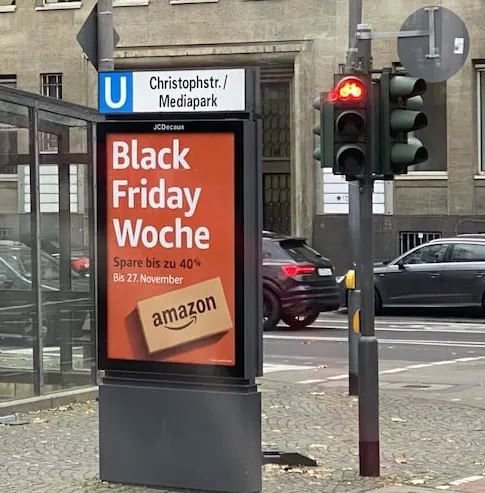
Black Friday, once an exclusively American tradition, has similarly taken root in Europe. In France, 9 out of 10 people participated in Black Friday 2025, with an average budget of €345, an increase from previous years, according to a study by Boston Consulting Group (BCG) and reported by France24. In Germany, Black Friday and Cyber Monday generated €5.8 billion in revenue, though this represented a 2% decline compared to 2024, signaling a structural change in purchasing behavior. The average budget per consumer in Germany was €298, down 7% year-on-year, while in France, it rose to €345, reflecting distinct economic and cultural factors.
How European Businesses Are Responding
Embracing the Trend
Many European retailers have adopted global discount events, often tailoring them to local preferences. For instance, MediaMarkt, one of Germany’s largest electronics retailers, has fully integrated Black Friday into its annual sales strategy. The company offers door-buster deals on electronics, provides early access to loyalty program members, and ensures discounts are available both online and in-store. According to a report by Handelsblatt, MediaMarkt saw a 20% increase in sales during Black Friday week in 2025, with a significant rise in online purchases.
Similarly, El Corte Inglés in Spain and Fnac in France have launched their own Black Friday campaigns, often extending them into Cyber Monday or even Cyber Week. These retailers leverage the global hype to attract customers while maintaining a local touch, such as highlighting products that resonate with regional tastes.
During Prime Day 2025, European competitors like bol.com and Coolblue responded with varied strategies. Bol.com closely mirrored Amazon’s pricing behaviour, even offering more aggressive discounts in 14% of cases, while Coolblue adopted a more reserved approach. MediaMarkt also competed directly, with 16% of analyzed products having discounts exceeding Amazon’s for the same items.
Resisting the Trend
Not all European businesses are willing to participate in the discount frenzy. In France, initiatives like “Green Friday” (Vendredi Vert) have been promoting sustainable alternatives since 2017. The movement, which includes associations and businesses, launched a campaign titled “La vérité sur les prix barrés” (The Truth About Discounted Prices) to highlight the hidden environmental and human costs behind Black Friday deals. According to France24, 7 out of 10 French consumers now participate in Black Friday, despite growing awareness of its ecological and social impact.
The “Green Friday” movement also points out that many Black Friday promotions are misleading. In 2024, France’s Fraud Control Authority found that one-third of inspected businesses were offering fake discounts during Black Friday. Additionally, the event has become a boon for counterfeiters, with customs seizing 21.5 million counterfeit items in 2024, over 30% of which were in small online packages.
To counter Black Friday, some advocates promote “Buy Nothing Day” or “Share Friday”, encouraging exchange, recycling, and sharing over consumption. For example, Home Exchange and the object-lending app Poppins relaunched “Share Friday” in 2025, promoting sustainable consumption practices through their “Les Nouveaux Riches” (The New Rich) campaign.
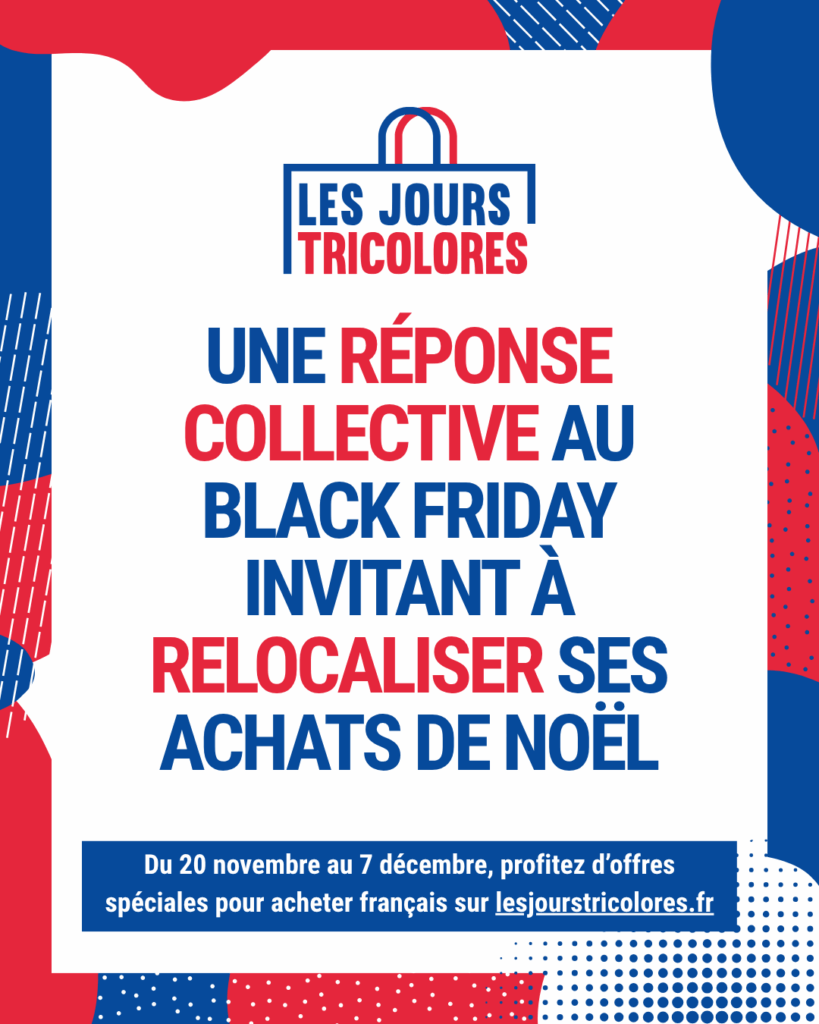
Another alternative is the “Jours Tricolores” (Tricolor Days), a platform featuring 200 French brands offering discounts of up to 50% on locally made and artisanal products. However, as noted by Pierre-Charles Joubert of Comptoir des Industries Françaises, these discounts often come at the expense of margins, with businesses barely breaking even to compete with Black Friday’s marketing machine. Despite the challenges, Joubert emphasizes the importance of supporting local industries, jobs, and the planet by buying French, as reported by France24.
In Germany, sustainable fashion brands like Armedangels and revolution offer repair tutorials instead of discounts, encouraging customers to extend the life of their products. This movement aligns with a broader European push towards sustainability and ethical consumption, as reported by Herm.
In Sweden, the “Buy Nothing Day” movement has gained traction as a direct counter to Black Friday. Advocates argue that the event promotes overconsumption and runs counter to the country’s strong sustainability ethos. Swedish retailer IKEA has also distanced itself from global discount events, instead focusing on year-round affordability and sustainability initiatives. Their “Buy Back” program, which allows customers to sell back used furniture, has been praised in Financial Times as a model for circular economy practices in retail.
Despite these efforts, Black Friday has become normalized in France, with fewer businesses openly resisting it. Even brands like Vestiaire Collective and Le Slip Français, which previously rejected Black Friday, have succumbed to consumer and competitive pressure. The shift is particularly evident in e-commerce, where over one-third of purchases during Black Week 2024 were made online, compared to one-fifth during the rest of the year.
Forging Their Own Path
While global discount events dominate headlines, Europe has its own, often overlooked, shopping traditions. France’s Soldes d’Été (Summer Sales) and Soldes d’Hiver (Winter Sales) are government-regulated periods during which retailers can offer discounts on unsold stock. These events, deeply ingrained in French retail culture, provide a structured alternative to the more chaotic global sales. As reported by Le Figaro, the Soldes remain a critical period for French retailers, with many consumers strategically timing their purchases to coincide with these sales.
In the Netherlands, King’s Day (Koningsdag) on April 27th is a national holiday marked by street markets and widespread discounts. Unlike Black Friday, which is driven by retail giants, King’s Day is a grassroots celebration that supports local vendors and small businesses. Dutch News has noted that this event fosters a sense of community while also providing an economic boost to local entrepreneurs.
Another example is Italy’s San Giovanni festival in Florence on June 24th, where local discounts and celebrations are tied to the feast day of St. John the Baptist. These events highlight how European businesses can leverage cultural traditions to create unique shopping experiences that resonate with local consumers.
The Future of Discounting in Europe
As global discount events continue to evolve, European businesses are likely to adopt increasingly nuanced strategies. Some may continue to embrace these trends, particularly as e-commerce grows and consumer expectations shift. Others may push back more aggressively, especially as sustainability concerns become more pressing. A third group may seek to blend global and local traditions, creating hybrid models that cater to both global trends and regional preferences.
Emerging trends such as personalization and subscription models are also likely to play a larger role. Retailers like Zalando are already experimenting with membership-based discounts, offering year-round benefits to loyal customers. Meanwhile, the rise of resale and rental markets could lead to new types of discount events focused on pre-owned or sustainable goods.
According to Klaviyo, 81% of European shoppers say inflation is changing how they buy, with 31% switching to more affordable brands and 21% waiting for sales or discounts before shopping. This shift underscores the importance of understanding local nuances, as consumer behaviour varies significantly across markets like the UK, France, and Germany.
For consumers, this diversity means more choices, whether they are hunting for Black Friday bargains, supporting local businesses during Small Business Saturday, or taking advantage of France’s regulated sales periods. For businesses, the challenge lies in balancing profitability with purpose, ensuring that their discount strategies align with their long-term values and goals.
One thing is clear: the era of one-size-fits-all discounting is over. The future belongs to those who can adapt, innovate, and resonate with the diverse and evolving values of European shoppers.