
Robot vacuum cleaners are one of the most contested product categories in the home. The global market is dominated by Chinese brands such as Roborock, Dreame and Ecovacs, while the American pioneer iRobot has struggled to keep pace. In between, a small group of European manufacturers defends its ground with a different promise: durable hardware, GDPR-compliant data handling and local spare parts. If you care about where your robot vacuum is made, who owns the company behind it and where your home map data is stored, this guide is for you.
We reviewed the European robot vacuum landscape using our Made-in-Europe methodology, which scores brands on:
- European ownership (40%)
- European manufacturing (40%)
- Location of headquarters, R&D and design (20%).
Below you will find the brands that score best, what makes each of them distinctive, and where to buy them online.
A quick note before we start. Truly European-made robot vacuums are rare, rarer than community discussions suggest. Even German brands that are widely recommended as “European made” manufacture their robots in global networks that include China, and several European brands sell robots that are designed or assembled in Asia. Always check the country of origin on the rating label or the manufacturer’s specification sheet for the specific model before you buy.
1. Vorwerk (Germany) – The Premium Benchmark, Made in Germany
Strongly European ★★★★☆ 90/100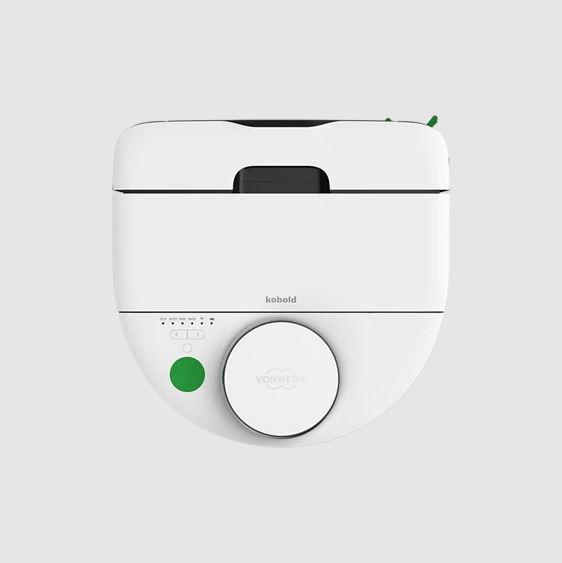
Vorwerk is a family-owned German company with more than 140 years of history and its Kobold robot vacuums are widely regarded as the most genuinely European machines on the market. The current Kobold VR7 and its station are produced in Germany for the European market, with components sourced from France and Italy.
Buyers should be precise about what “made in Germany” means here. Vorwerk states that its products are manufactured in its own global network of production plants in Germany, France and China, together with specialised production partners, all working to uniform specifications. The company does not commit to a specific production country for the VR7, so check the country of origin on the rating label of the specific unit before buying if manufacturing origin matters to you.
The company also states that map data is stored primarily on the robot itself and handled in accordance with the GDPR, which matters if you are uneasy about a connected camera mapping your home. The Kobold VR7 is expensive compared with Chinese rivals, but for buyers who want the strongest overall European package it remains the default answer. You can buy it directly from the Vorwerk online shop, which also lists official accessories and replacement parts.
2. Cecotec (Spain) – Spain’s Robot Vacuum Champion
Strongly European ★★★★☆ 80/100Cecotec is a family company founded in Valencia in 2013 that grew into Spain’s leading household appliance company largely on the back of its Conga robot vacuum line. The Conga series spans everything from budget models to the high-end Conga Q300, launched in September 2026 with 25,000 Pa suction and an auto-empty base, and the range is deeply integrated with Amazon Alexa and Google Home.
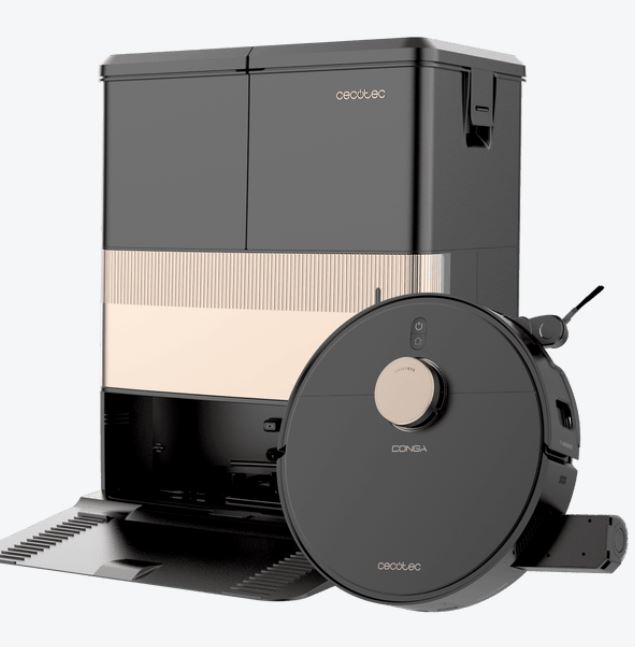
The company is unmistakably Spanish in ownership, design and marketing, and its spare parts ecosystem is well served by Spanish suppliers. Like most of its competitors in the mid-market, the robots are manufactured in Asia, so Cecotec scores strongly on ownership and R&D but not on manufacturing origin.
3. Bosch (Germany) – Household Appliance Giant Entering the Category
Strongly European ★★★★☆ 80/100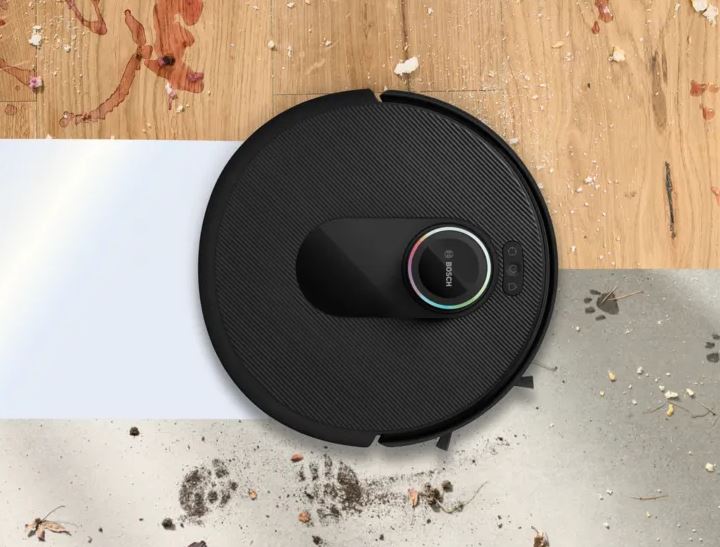
Bosch, through its BSH household appliance group, is the newest serious European entrant. Its Spotless robot line was presented at IFA in Berlin and brings the company’s usual strengths: wide European service coverage, long-term spare parts availability and appliances for the European market.
Most of the parts are typically manufactured in its European factories. Check the individual model, as production locations vary.
The Spotless robots offer laser mapping, mop functions and app control, and they are positioned in the mid-price segment where most Chinese competitors play. For many buyers, Bosch is the pragmatic middle path: a European-owned company with European factories and GDPR obligations.
4. Rowenta (France) – French Brand in the Groupe SEB Family
Moderately European ★★★☆☆ 60/100Rowenta is a French brand belonging to Groupe SEB, the Lyon-based cookware and appliance group that also owns Tefal and WMF.
Its robot vacuums bring the group’s design and distribution strength to the category, although the robots themselves are manufactured in Asia, which places Rowenta in the moderately European band of our scoring.
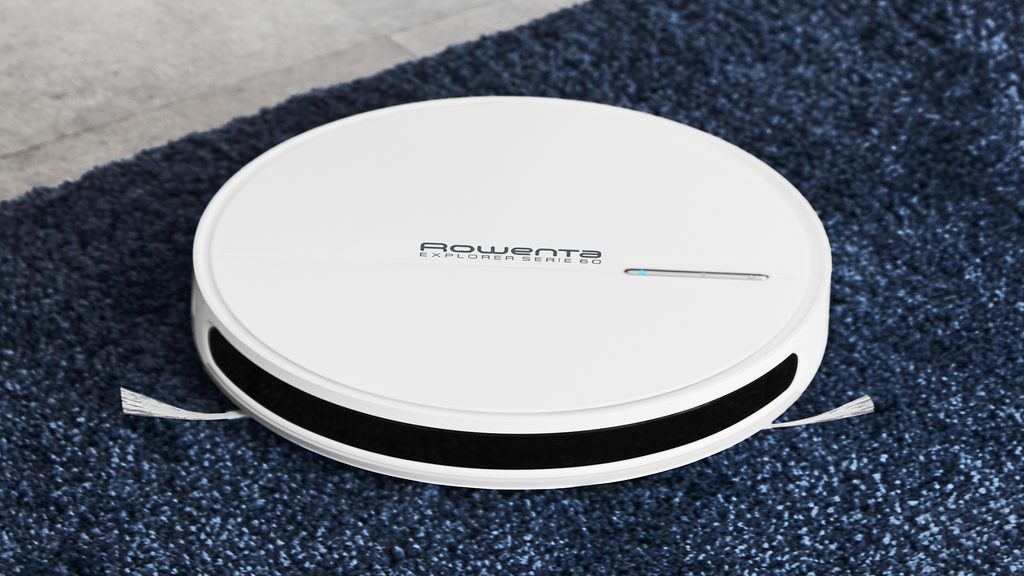
The X-Force models are competitively priced and widely available in French and broader European retail, making Rowenta a sensible option for buyers who want a European-owned brand with European warranty handling at a mainstream price.
Rowenta robots are sold through the Rowenta online shop and retailers such as Darty, Fnac, Amazon and Cdiscount.
5. Kärcher (Germany) – Cleaning Specialists With Robots Made in Italy
Moderately European ★★★☆☆ 60/100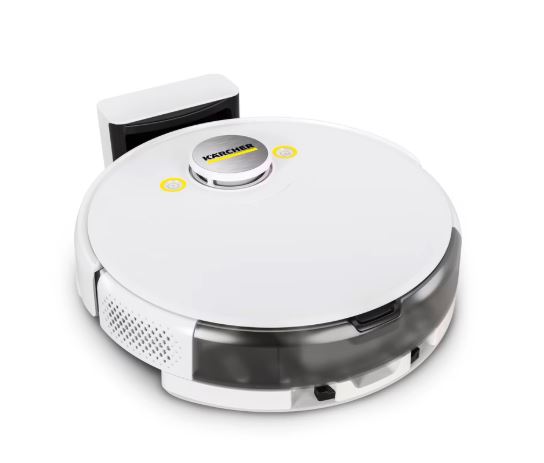
Kärcher is a family-owned German company best known for pressure washers, and it has applied that cleaning expertise to its RC robot vacuum line.
Kärcher manufactures its Home and Garden range at factories around the world, and the current RCV 5 lists China as its country of origin on European retail listings. The company states that customer data is stored on servers in Germany in accordance with the GDPR, which has made it a favourite in European-buying communities, but on our scorecard the robots score strongly on ownership, design and service rather than on manufacturing origin. If European manufacturing is your priority, check the country of origin on the specific model before buying.
The RCV series sits in the upper mid-price segment, below Vorwerk but above most Chinese imports. The robots are available from the Kärcher online store and from major European retailers such as MediaMarkt, Otto, ManoMano and Amazon European marketplaces.
6. Philips HomeRun (Netherlands) – Dutch Design Under the Philips Name
Moderately European ★★★☆☆ 60/100Philips sells its HomeRun robot vacuum line through Versuni, the Dutch company that took over Philips’ domestic appliances business and is based in the Netherlands.
The Philips name still carries strong European identity but buyers should be aware that the robots themselves are manufactured in China, as confirmed by the country of origin printed on the rating labels of HomeRun units, and that Versuni’s ownership is no longer purely European.
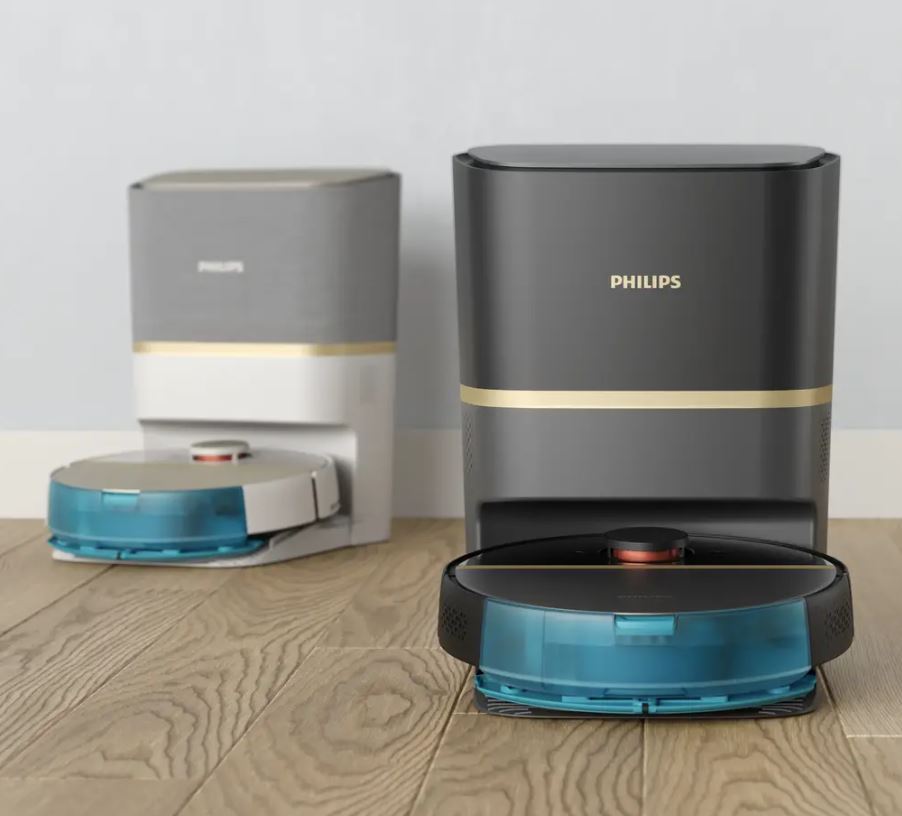
On our scorecard Philips therefore lands in the lower-moderate band: Dutch design, brand heritage and European distribution, with Chinese manufacturing. Products are sold across Europe through the Philips online store, Coolblue, MediaMarkt and Amazon.
7. Electrolux / AEG (Sweden) – Nordic Appliance Heritage
Moderately European ★★★☆☆ 60/100Electrolux is a Swedish appliance group with a century of vacuum cleaner heritage. It entered the robot category with real ambition, launching its first robotic vacuum in 2017 under both the Electrolux and AEG brands, with a triangular design and its own 3D Vision navigation technology developed in Sweden.
The AEG RX9 line that followed remains one of the few robots designed by a European appliance maker from the ground up rather than rebadged from an Asian platform.
Today the robots are sold almost exclusively under the AEG brand, mainly through AEG’s own webshop and a handful of European retailers and cannot be found in some markets like the US.
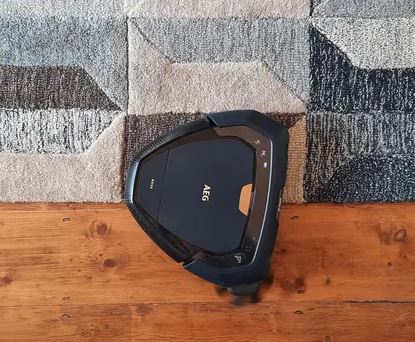
The robots are manufactured in Asia, but ownership, design and after-sales service remain European, and the company is subject to EU data protection rules for its European customers. Electrolux suits buyers loyal to the brand who value its design and local support, but given the thin availability and the ageing line-up, most buyers will find a stronger current option elsewhere in this guide.
8. Miele (Germany) – European Ownership With an Asian Platform
Limited European commitment ★★☆☆☆ 50/100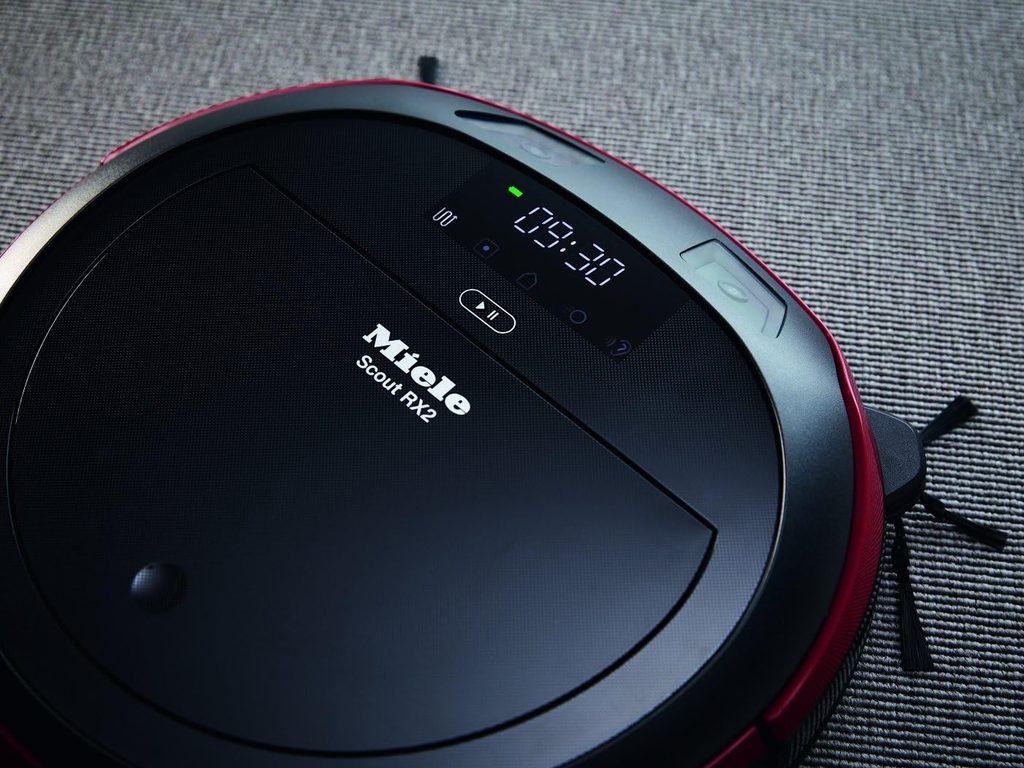
Miele is a German premium appliance manufacturer famous for its “Immer Besser” philosophy and its exceptionally long product support cycles.
Its Scout RX3 robot vacuum line is designed in Germany and supported by Miele’s European service network, but the underlying robot platform is widely reported to be based on a Korean OEM design, so the Scout scores lower on our manufacturing criterion than the brands above.
It is a solid, simple robot with strong build quality, and Miele’s service organisation is a genuine advantage over Chinese brands that rarely offer local repairs. It suits buyers who value the Miele ecosystem and local support and who are less concerned about where the robot itself is assembled.
9. Wilfa (Norway) – Nordic Newcomer With a Limited Market
Limited European commitment ★★☆☆☆ 42/100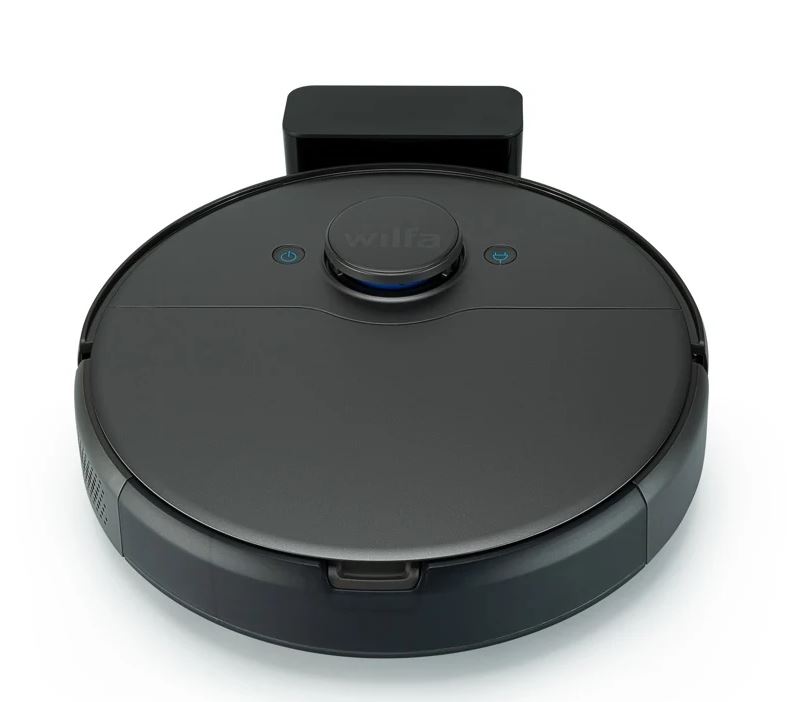
Wilfa is a Norwegian-owned company established in 1948 and known across the Nordics for small electrical appliances, and it has recently re-entered cleaning products with its Innobot robot vacuum line. The Innobot models offer AI navigation and vibrating mop technology, and Nordic tech reviewers have rated them well against established rivals, which is rare for a robot from a small European brand.
Two caveats apply. The robots are manufactured in China, as shown by the country of origin in European retail listings, and they are only distributed in the Nordic market, so buyers in the UK and continental Europe will generally find only Wilfa’s kitchen range locally. For Nordic buyers, however, Wilfa offers what a small European brand does best: local ownership, local warranty handling and accessible support.
Worthy Mentions
While the following brands are not the strongest European choices for robot vacuums, they are frequently recommended for related reasons:
- Dyson (UK): The British engineering company defined modern premium floorcare and its cordless vacuums remain among the most popular European-made alternatives, but Dyson no longer offers a robot vacuum after discontinuing the 360 Heurist. If you want European floorcare and can live without the robot form factor, its cordless range is the natural pick.
- Medion (Germany): A German brand with a strong privacy stance, but it is owned by Lenovo of China, so it scores poorly on our ownership criterion.
- Vileda (Germany): German-owned brand with small robot offerings, worth watching if their product lines expand.
Conclusion
The European robot vacuum market is thin, and it is thinner on manufacturing origin than community folklore suggests. Vorwerk leads the field with German development and design, GDPR-friendly on-device data handling and unmatched spare parts support, but even Vorwerk manufactures across a global network in Germany, France and China. Bosch brings its usual European service coverage to the mid-market, Philips and Cecotec show that the Netherlands and Spain are also in the game with strong European design and ownership, while Kärcher, Miele, Rowenta, Electrolux and Wilfa offer European ownership and service with robots manufactured in Asia. In short, no European brand currently guarantees a robot vacuum made in Europe, and the honest advice is to check the country of origin on the rating label of the exact model you intend to buy.
Buying any of these instead of a Chinese import means supporting European engineering jobs, keeping your home data under EU jurisdiction and choosing products designed to be repaired rather than replaced. You can find them all online through the manufacturers’ own shops or through European retailers such as MediaMarkt, Coolblue, ManoMano, Fnac and Currys.


