
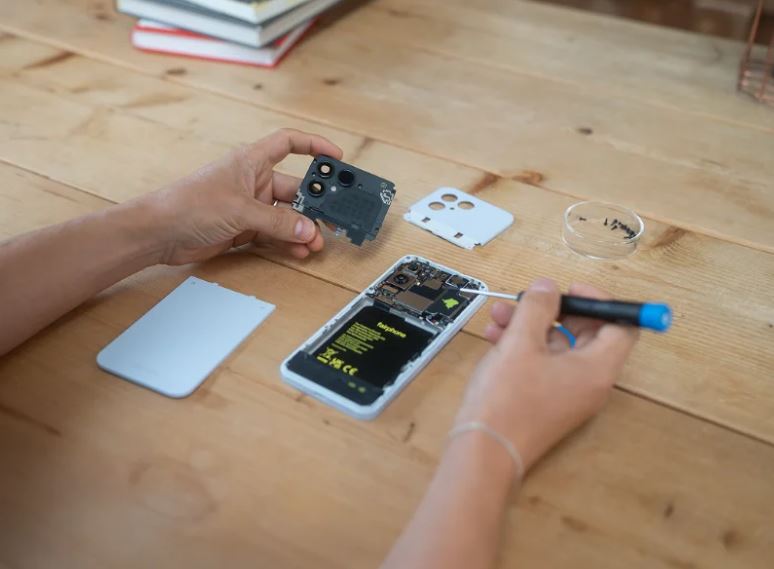
The Right to Repair movement has officially transformed the smartphone industry in Europe. With the EU’s 2026 Right to Repair Law now in full effect, the era of disposable, unfixable devices is coming to an end. For the first time, manufacturers are legally required to design smartphones for longevity, provide spare parts for at least a decade, and offer repair manuals to consumers and third-party repair shops.
This shift is resetting consumer expectations—and some brands are already thriving under the new rules. While Apple, Samsung, and Google scramble to adapt, European brands like Fairphone, Gigaset, and HMD Global have spent years prioritizing modularity, replaceable batteries, and long-term support. For consumers, this means lower repair costs, longer-lasting devices, and a significant reduction in e-waste.
But what does the Right to Repair Law actually mean for you? And which brands are leading the charge or falling behind?
What Is the EU’s Right to Repair Law?
The EU’s Right to Repair Law, enacted in early 2026, is a landmark regulation designed to combat planned obsolescence and reduce electronic waste. Under this law, smartphone manufacturers operating in Europe must now:
- Provide spare parts for at least 10 years after a product’s launch.
- Design devices for repairability, eliminating glued-in batteries and non-removable components.
- Offer repair manuals and tools to third-party repair shops and consumers.
- Ensure software support for 5-7 years, depending on the device category.
This law doesn’t only apply to smartphones but also extends to laptops, tablets, and home appliances. Yet, smartphones are the most visible battleground. For consumers, the benefits are clear: longer-lasting devices, lower repair costs, and a significant reduction in e-waste. For manufacturers, the message is equally clear: adapt or risk losing market share in Europe.
The Leaders: Brands Built for Repairability in Europe
While many manufacturers are still adjusting to the new regulations, European brands have been designing for repairability for years. These companies are not only compliant with the new laws but are also gaining a competitive edge over traditional giants like Apple and Samsung.
1. Fairphone (Netherlands) – The Gold Standard for Ethical, Repairable Smartphones
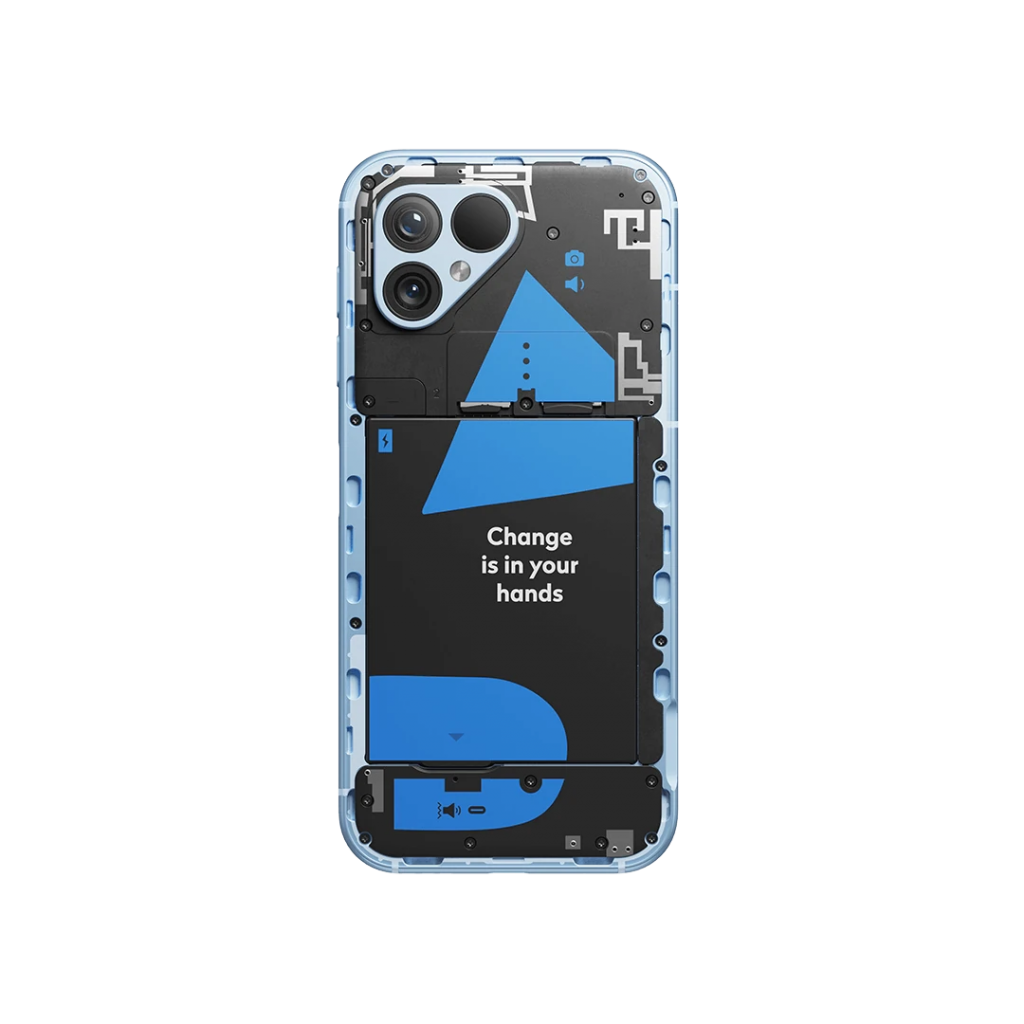
Fairphone is the undisputed leader in repairability. Unlike most smartphones, the Fairphone phones feature a fully modular design, allowing users to replace the battery, screen, camera, and even the motherboard with basic tools. No soldering or repair expertise is required.
Fairphone already guarantees spare parts for 10+ years and software updates for 5+ years, far exceeding the EU’s minimum requirements. The company also runs a refurbishment and trade-in program, encouraging users to trade in old devices or purchase certified refurbished models.
For consumers, this means a phone that can last 6-7 years. This is a lot cheaper in the long run than buying multiple mid-range devices. However, the €700 price tag and mid-range performance (compared to flagship chips from Apple or Samsung) may deter some buyers.
2. Gigaset (Germany) – The “Made in Germany” Alternative
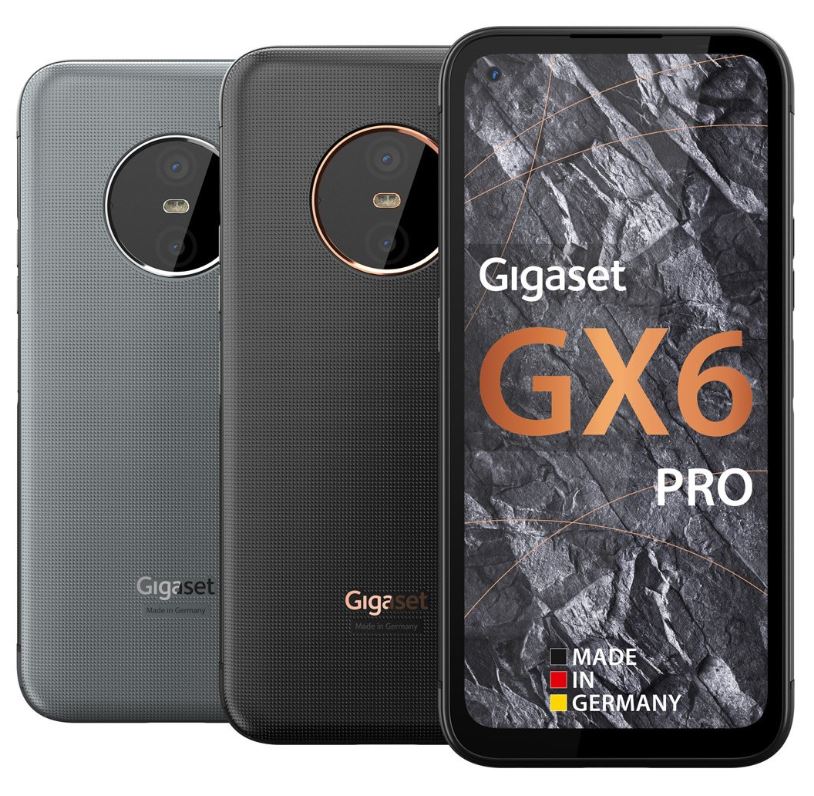
Gigaset provides phones like the GX6 PRO entirely manufactured in Germany, offering rugged durability, a removable battery, and a modular back cover. The company’s “Fair for Future” initiative emphasizes sustainability and local production, making it a favorite for security-conscious users (e.g., enterprises, government clients).
While Gigaset excels in build quality and repairability, its software support is limited to 2-3 years—shorter than Fairphone’s. Still, for those who prioritize German engineering and durability, the GX6 PRO is a strong alternative to the dominant players in the smartphone market.
3. HMD Global (Finland) – Nokia’s Secure, Durable Comeback
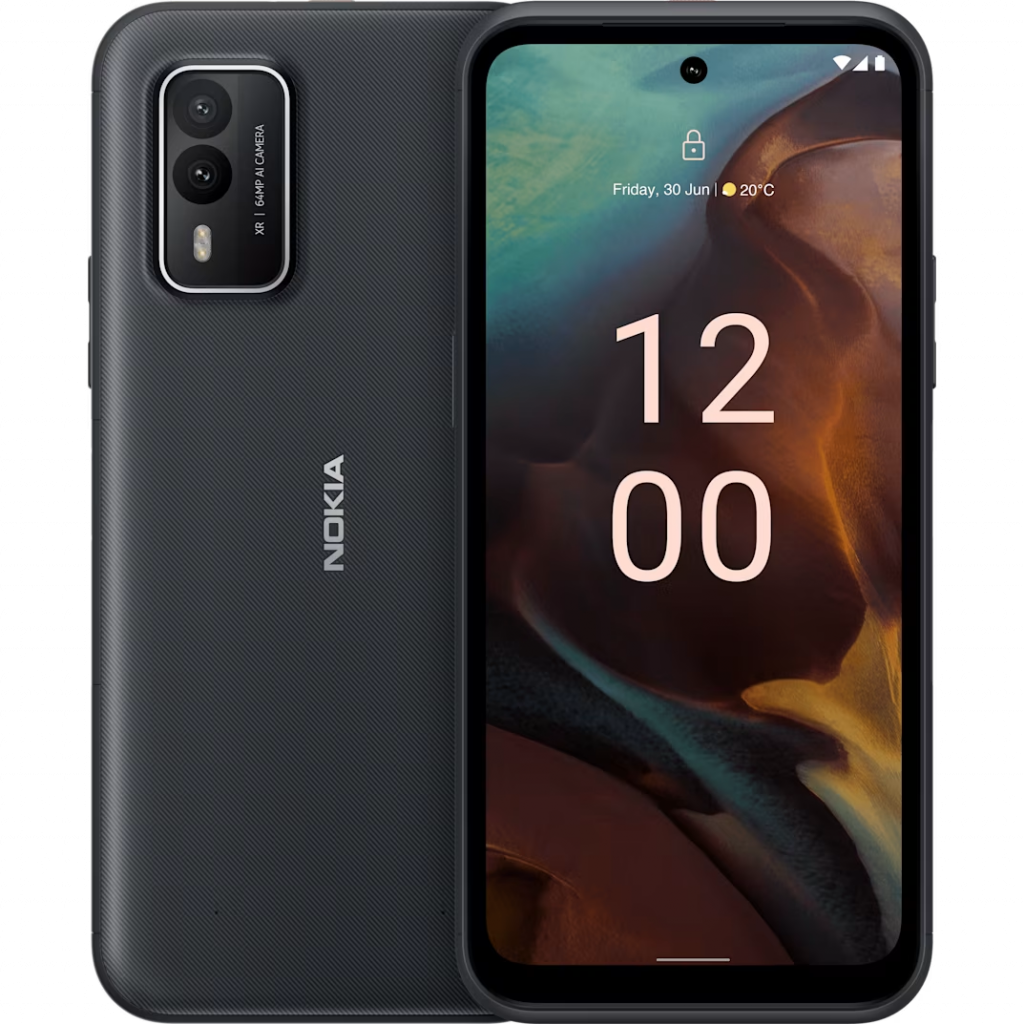
HMD Global’s Nokia XR21 is one of the first EU-made 5G smartphones from the company, featuring a user-replaceable battery and military-grade toughness (MIL-STD-810H certified). Originally unveiled in May 2023, the Europe edition is now manufactured in Hungary and available for both enterprise and general consumers in Europe.
HMD’s focus on security and durability makes its devices appealing to users who prioritize data protection over raw performance. However, its mid-range specs (Snapdragon 7+ Gen 2) mean it won’t compete with flagship models from Apple or Samsung.
The Laggards: Apple, Samsung, and Google Playing Catch-Up
While European brands lead, the tech giants are struggling to keep up with the Right to Repair Law.
Apple has introduced a Self-Service Repair Program, but its iPhone 16 still features a glued-in battery, and serial number locking prevents third-party repairs from working fully.
Samsung has partnered with iFixit for repair guides, but the Galaxy S24 Ultra still requires full disassembly for battery replacement.
Google is the worst offender—its Pixel 9 Pro has no official repair program, and the company has only promised improvements by 2027.
For consumers who care about repairability and sustainability, these brands fall short of the standards set by Fairphone, Gigaset, and HMD.
What This Means for You: Should You Switch to a Repairable Smartphone?
If repairability and longevity are your top priorities, Fairphone is the best choice. For durability and local production, Gigaset is a strong alternative, though its software support is limited. If security and toughness matter most, the HMD Nokia XR21 is worth considering, though it’s not yet widely available for consumers.
For those loyal to Apple or Samsung, the iPhone 16 and Galaxy S24 Ultra still offer flagship performance and brand trust, but their repairability remains limited. Google’s Pixel 9 Pro is the least repairable of the bunch so avoid it if sustainability is a concern.
The Bottom Line: The Future of Smartphones Is Repairable
The Right to Repair Law is a game-changer for consumers in Europe. It forces manufacturers to prioritize longevity, reduces e-waste, and gives users more control over their devices. While Fairphone, Gigaset, and HMD are leading the way, Apple, Samsung, and Google are still playing catch-up.
For consumers, the message is clear: the future of smartphones is repairable. Whether you switch to a Fairphone, support a Gigaset, or demand better from Apple and Samsung, your choices will shape the industry’s next chapter.
For more on European-made smartphones and their missions, check out this breakdown of top EU brands in 2025.