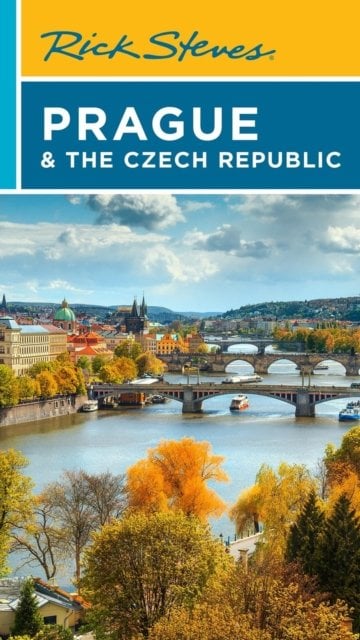
Every guidebook tells you the same things about the Czech Republic: the world’s largest castle complex looming over Prague, the astronomical theatre of Old Town Square, and the coziest pubs in Europe, where a pint of local pilsner costs less than a coffee anywhere west of Vienna. Travel writers advise you to beat the crowds, skip the lines, and duck into the neighborhood bars and medieval villages of Bohemia where the Old World still lives. And they are right. But what the guidebooks only hint at is why all of this exists: for centuries, the lands of Bohemia and Moravia were the manufacturing heartland of Central Europe. They were the workshop of an empire, full of skilled hands, deep forests, good water, and stubborn pride in things made well.
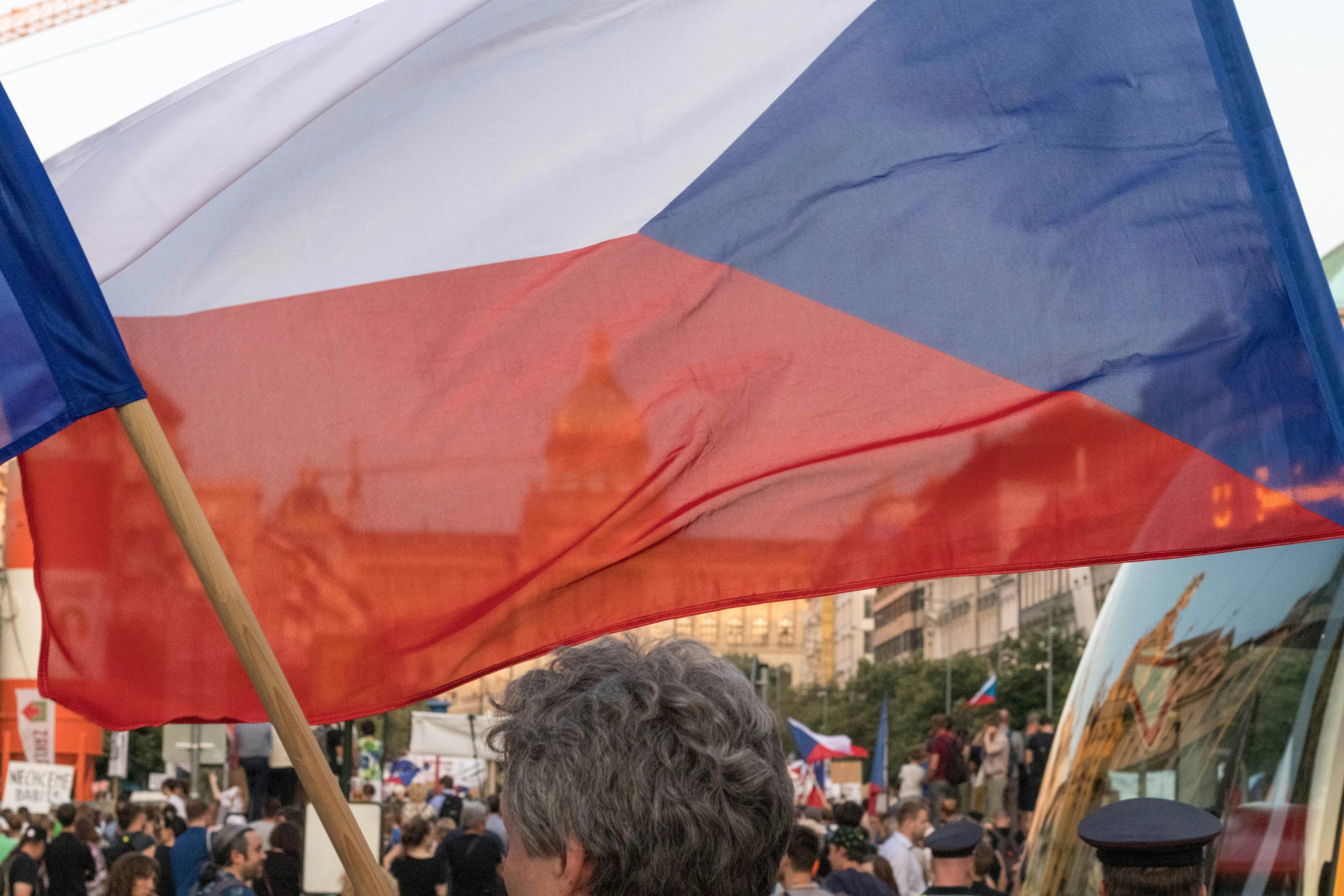
On 28 October 1918, on Wenceslas Square in Prague, the Czechoslovak declaration of independence was read to the crowds, and a new nation was born out of the ashes of Austria-Hungary. Czechs and Slovaks finally had a state of their own, and a remarkable industrial base to build it on. That inheritance of workshops and factories did not disappear with the empire; it simply changed flags. A century later, Czechia (the Czech Republic’s official short name since 2016) remains one of the EU’s quiet manufacturing powerhouses, and its shop shelves are full of consumer brands that Czechs have loved for generations. Many of them are still made in the very towns where they were born.
So on this Independence Day, we go beyond the castle walls and the tourist traps: down the pub, into the workshop, and behind the label, in search of the best consumer brands made in the Czech Republic.
1. Kofola – The Czech Cola That Beat Coca-Cola at Home
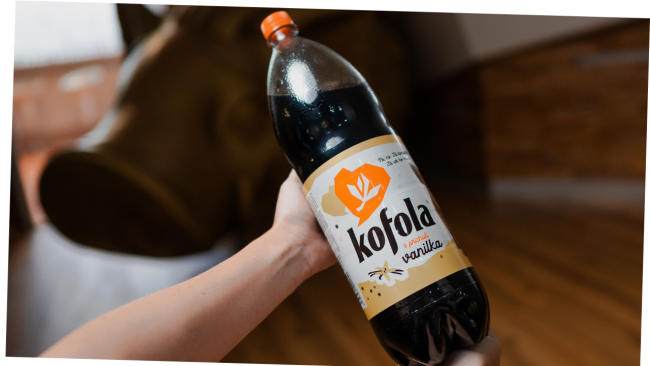
No brand says “independence” in a glass quite like Kofola. Born in 1959 at the Czechoslovak Research Institute of Medicinal Plants as a clever use for surplus caffeine from coffee roasting, this dark, herbal, less-sweet Czech cola became a phenomenon of communist Czechoslovakia. Today it remains the principal rival of Coca-Cola and Pepsi in both Czechia and Slovakia, sold draught from kegs in pubs and restaurants.
Since 2000 the brand has been owned by the Samaras family of Opava, and Kofola a.s. is headquartered in Krnov, where it is the town’s largest industrial employer.
2. Budweiser Budvar – The Original Czech Budweiser, Protected by the State
Yes, really: the Czech Republic owns a brewery. Budějovický Budvar, národní podnik, meaning “national enterprise”, has been brewing in České Budějovice since 1895. It draws artesian water from wells beneath the brewery, Moravian barley, and Saaz hops from the nearby Žatec region. Its flagship lager matures for a minimum of 90 days, and in 2004 the EU awarded it Protected Geographical Indication status.
Budvar has spent over a century in a trademark war with Anheuser-Busch over the name “Budweiser”. The Czech brewery famously refused to settle the dispute, which is why Americans drink it as “Czechvar” and it should not be miss-identified as the US Budweiser for European drinkers. The stubbornness paid off: in 2010 the EU’s top court ruled that the American giant could not register “Budweiser” as a European trademark.
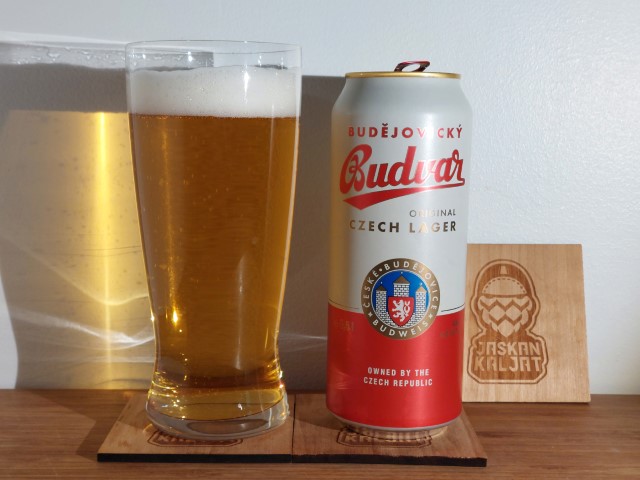
Today Budvar is the most bought foreign beer in Germany and the best-selling Czech beer in the United Kingdom. In 2025 it brewed a record 1.946 million hectolitres. A national enterprise, in every sense of the word.
3. TON – 160 Years of the World’s Most Famous Bentwood Chair
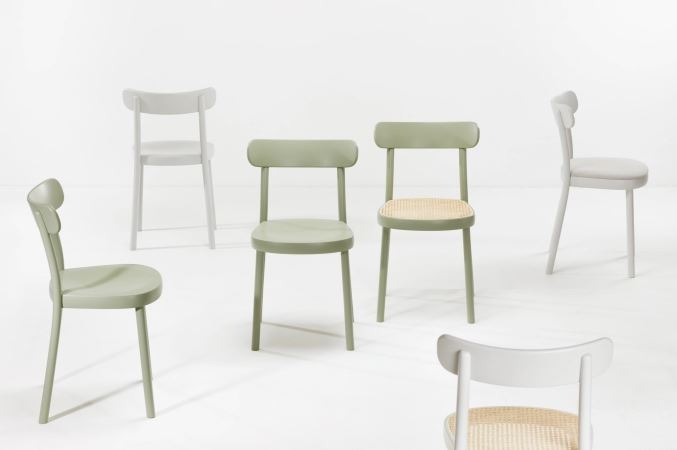
In the little Moravian town of Bystřice pod Hostýnem, beechwood has been bent, steamed and screwed into furniture without interruption since 1861, when Michael Thonet and his sons built the world’s first wood-bending factory there. This is where Chair No. 14, arguably the most iconic piece of furniture ever made, was produced in the hundreds of thousands. Under communism the factory was renamed Továrny na ohýbaný nábytek, meaning “factories for bentwood furniture”, and the name TON stuck.
It shipped flat-packed around the globe a century before flat-packing was trendy and today the Czech furniture maker continues to produce the classic “tonetka” alongside award-winning contemporary designs from Czech and international designers. All of it is still bent and assembled in the original Moravian works. Every cafe chair you have ever sat on in Vienna or Prague owes it something.
4. Baťa and Botas – A Czech Shoemaking Nation
Czechs are a shoemaking nation, and the name that conquered the world is Baťa. Tomáš Baťa founded his shoe empire in Zlín in 1894 and built not just a factory but an entire industrial town, complete with schools, hospitals and the famous Baťa skyscraper, once Europe’s tallest building of its kind. After the turbulent 20th century, the family firm re-established its headquarters abroad. Today Baťa is a global company with Swiss headquarters and factories worldwide, including, famously, neighbouring Croatia’s Borovo, founded by Baťa in 1931 but also in China, India and Vietnam. So for sneakers made exclusively in Europe, we must look elsewhere.
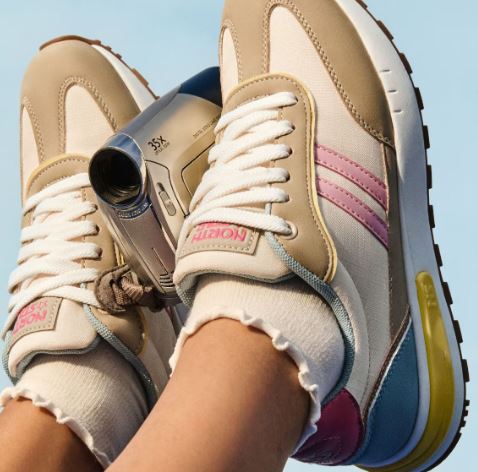
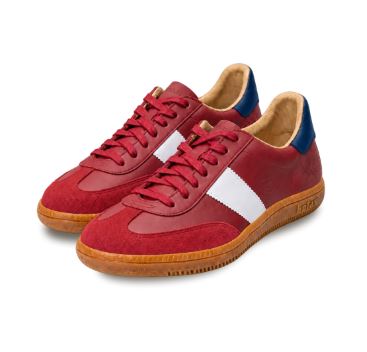
The place to look is the town of Skuteč, where the Botana company has been making shoes since 1949. Its Botas sports shoes shod Czechoslovak champions from volleyball players to figure skaters. After a brush with bankruptcy, the brand came roaring back: first with the design-led Botas 66 revival, which won a European Design Award, and since 2023 under the Vasky brothers, who moved all production back to the Czech Republic and opened a flagship store in Prague. These are original Czech sneakers.
5. Vasky – Czech Fashion, Hand-Sewn in Zlín
Vasky was founded in 2016 by Václav Staněk, learning the trade through his father’s shoe factory in Zlín, the Baťa city itself. In 2019 he was named on the Czech Forbes “30 Under 30” list, and today the family firm has become the standard-bearer for young Czech fashion.
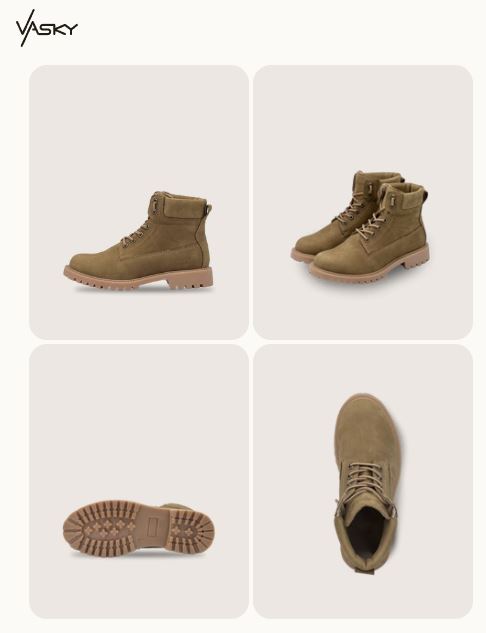
Vasky’s sneakers, boots, belts, wallets and bags are hand-sewn from high-grade natural leather sourced from Czech suppliers. Each pair takes roughly six to eight hours of skilled work.
In 2023, the Staněk brothers went a step further for Czech craft: they bought the Botas brand and moved its production back home.
6. Benlemi – Czech Design Furniture for Children
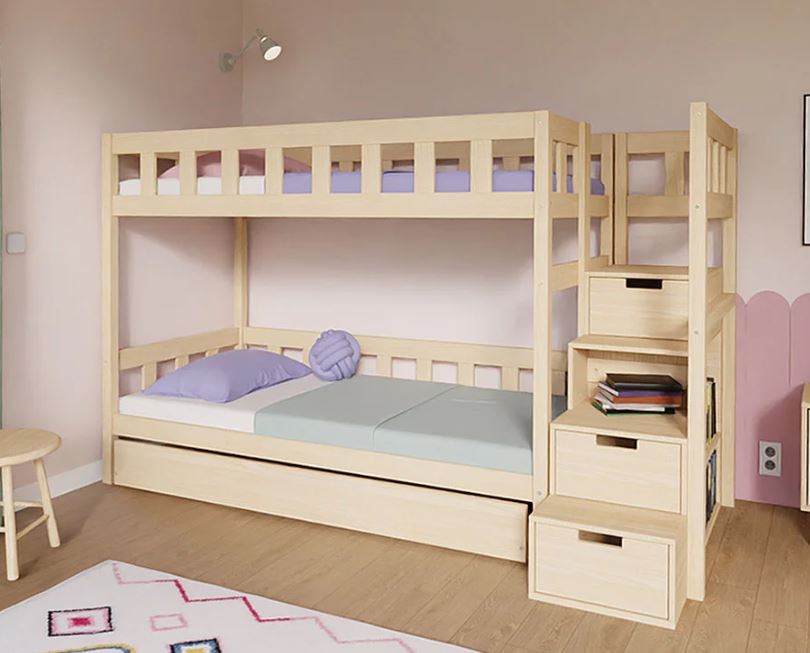
For a younger generation of Czech makers, look to Opava, where the family company Benlemi has been handcrafting design furniture for children since 2015.
Everything is made in Benlemi’s own Czech production with EU-certified quality standards, and today the brand ships across Europe and sells in 18 countries, with more than 30,000 happy families to its name. It is a reminder that the Czech tradition of woodcraft did not end with Thonet; it simply grew up, moved into the nursery, and started painting beds like little houses.
7. KOH-I-NOOR Hardtmuth – The Czech Pencil That Named Itself After a Diamond
Founded in 1790 by Joseph Hardtmuth, Koh-I-Noor Hardtmuth of České Budějovice is one of the oldest stationery companies in the world.
It patented the first kaolin-and-graphite pencil lead in 1802, and named its flagship pencil after the Koh-i-Noor diamond, the “Mountain of Light”, at the 1889 World’s Fair in Paris.
Nationalised after the war and privatised again in 1992, the company is today part of Czech-owned KOH-I-NOOR Holding under Vlastislav Bříza, with four factories in the Czech Republic and exports to more than 90 countries.
8. Manufaktura – Czech Cosmetics Full of Bohemian Nature
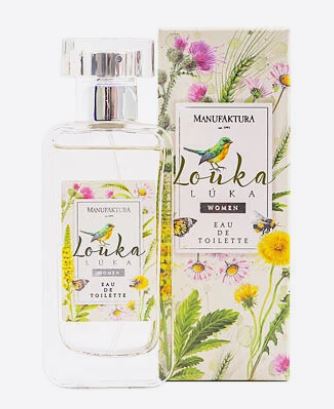
Since 1991, Manufaktura has been crafting Czech cosmetics inspired by local nature and tradition: beer and hops extract, Carlsbad thermal spring salt, poppy, apricot, and meadow herbs, in packaging designed by Czech artists.
The company was the first in the Czech Republic to win the Leaping Bunny cruelty-free certificate. It avoids mineral oils, silicones and parabens, and its “Original Czech Tradition” shops also provide a regular outlet for more than 250 Czech craftsmen and small makers.
It is a small brand with a big mission: keeping Czech craft traditions alive, one soap at a time.
9. Tescoma – Czech Kitchenware from the City of Baťa
Founded in Zlín in 1992 by Petr Chmela and Jiří Vaculík, Tescoma grew from a two-man operation into a Czech kitchenware brand sold in some 130 countries, with a stable of Red Dot and German Design Award winners and dozens of worldwide patents.
It famously survived a name dispute with a certain supermarket chain when Tesco arrived in 1996, and turned it into cooperation. Tescoma develops and produces its kitchen tools in Zlín, proof that the industrial DNA of the Baťa city outlived both communism and the 1990s.
10. Bagalio – Where to Shop Czech Bags and Leather Goods
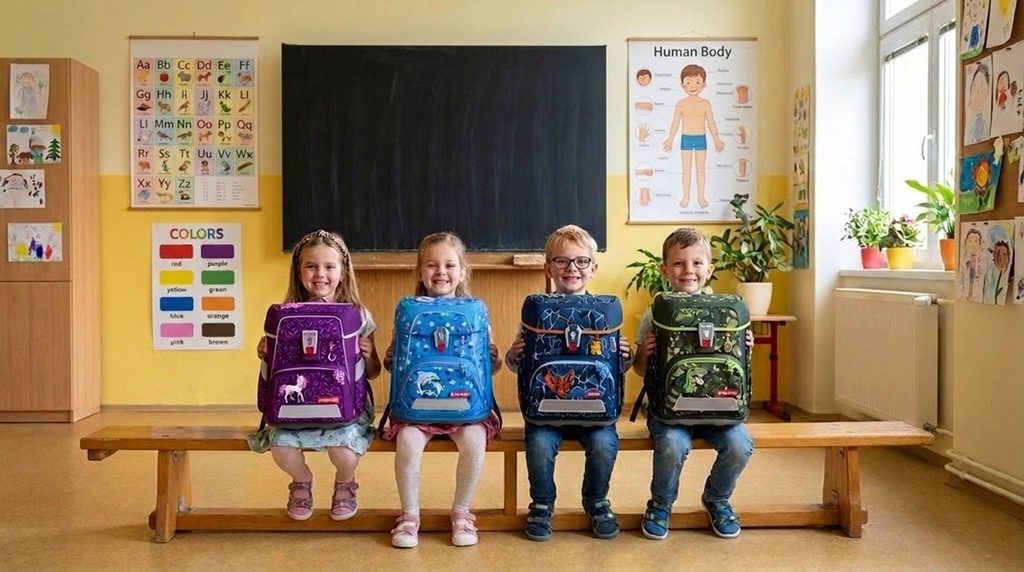
If all this talk of Czech craft has you reaching for your wallet, there is one European shop worth knowing: Bagalio. Founded in 2010, this online retailer has spent 16 years specialising in bags of every kind, from school backpacks and cabin-sized travel packs to leather laptop bags, wallets and umbrellas, with free shipping across Europe. Its catalogue is a small atlas of the bag world: alongside new quality Czech brands, Bagalio also stocks German, Dutch and British makers, as well as international names from as far away as the United States and Australia. That mix makes it a convenient place to discover smaller Central European makers alongside established global ones, and to compare them side by side.
Several Czech names stand out from Bagalio’s portfolio:
- LAGEN is a traditional Czech leather goods brand with two decades of experience in working with leather: crossbody bags, handbags, wallets and manicure sets made by hand from quality materials, with luxury pieces also produced to order. LAGEN is a member of the Czech Footwear and Leather Association and a regular exhibitor at the STYL and KABO fashion fairs in Brno.
- Bagmaster, another Czech brand with a 20-year tradition, focuses on anatomical school backpacks with a certified back system, a waist belt and a low weight, all designed to protect children’s posture, with showrooms in Plzeň and Olomouc and an extra three-year warranty.
- BOLL, a Czech brand of school and leisure bags, rounds out the domestic selection. A leather bag from LAGEN or an ergonomic backpack from Bagmaster is Czech quality in its most literal form: designed, cut and finished at home.
Conclusion: A Toast to 28 October
Czech Independence Day is, at heart, a celebration of self-determination: the idea that a small nation can run its own affairs, make its own things, and do both rather well. From a soft drink that shrugged off the colas to a piano that never left the family, from a chair that conquered the world’s cafés to a beer the state refuses to sell, these brands are proof that Czech independence did not end in 1918. It is renewed every day, in factories and workshops across Bohemia and Moravia.
So this 28 October, raise a glass of Budvar, of Kofola, or of anything proudly made in the Czech Republic. Na zdraví!