
Europe’s Heatwave and the Surge in Fan Demand
Europe is currently grappling with an unprecedented heatwave, with temperatures soaring to record highs across the continent. According to The Guardian, the continent has experienced some of the most extreme temperatures in decades, pushing the demand for electric fans to new heights. At the same time, Le Monde reports that Chinese manufacturers have significantly increased their production of fans to meet this surging European demand, flooding the market with affordable but often lower-quality options. As consumers seek reliable and sustainable cooling solutions, the search for electric fans made in Europe has become more urgent than ever.
This article explores the challenges of finding non-Chinese electric fans and highlights European brands that offer locally manufactured or designed cooling solutions. Whether you’re looking for a tower fan, ceiling fan, or portable option, we’ve compiled a list of trustworthy European brands to help you stay cool without compromising on your values.
The Challenge: Why Are Most Fans Made in China?
The electric fan industry, like many others, has seen a significant shift in manufacturing to China over the past few decades. Chinese factories dominate the production of motors, electronics, and plastic components, making it difficult to find fans that are entirely made outside of China. Even brands that assemble their products in Europe or other regions often source critical parts from Chinese suppliers. This dominance is driven by cost efficiency, scalability, and the established expertise of Chinese manufacturers in producing consumer electronics.
However, this reliance on Chinese production has raised concerns among European consumers. Issues such as quality control, ethical considerations regarding labor practices, and environmental standards have led many to seek alternatives. Additionally, the COVID-19 pandemic and geopolitical tensions have highlighted the risks of depending on a single country for critical goods. As a result, many Europeans are now actively seeking fans that are designed, manufactured, or at least assembled within the EU.
1. Rowenta (Germany/France) – German Craftsmanship with French Ownership
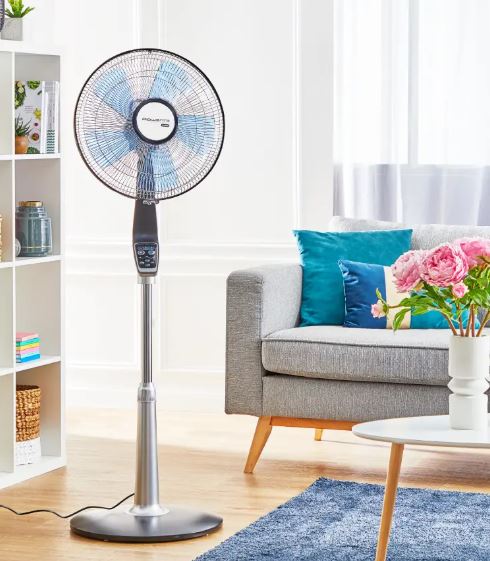
Rowenta is a well-known brand in the home appliance sector, originally founded in Germany but now owned by the French group SEB. The brand is synonymous with quality and innovation, particularly in the realm of fans and air treatment products.
As mentioned on our previous small appliances article, while most Rowenta fans are manufactured in China, a small number of models are still made in European countries. For instance, the Rowenta Turbo Silence series, are still made in Germany, making them a rare but top choice for consumers seeking European craftsmanship.
According to a Huffington Post UK review, Rowenta fans are praised for their durability, advanced features such as oscillating functions and multiple speed settings, and sleek designs. They are widely available across Europe through major retailers like MediaMarkt, Darty or Rakuten and local appliance stores.
2. Duux (Netherlands) – Dutch Design for Modern Living
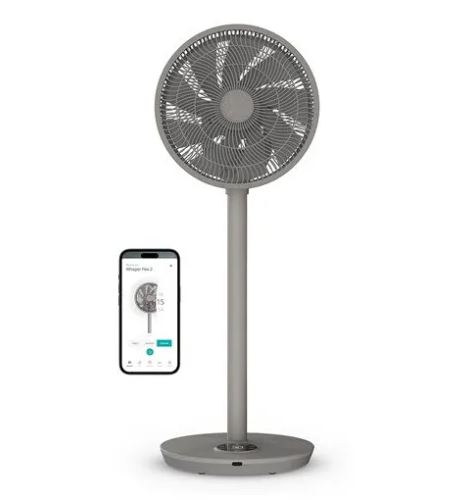
Duux is a Dutch brand known for its stylish and innovative home appliances, including a range of electric fans. While Duux products are designed in the Netherlands, it is important to note that their fans are not manufactured in the EU and are typically produced in Asia.
However, the brand’s focus on Dutch design, user-friendly features, and modern aesthetics makes it a popular choice among European consumers looking for a blend of form and function.
Duux fans are widely available through online retailers and select stores across Europe in physical reseller as well as online ones.
3. Trotec (Germany) – German Reliability for Climate Control
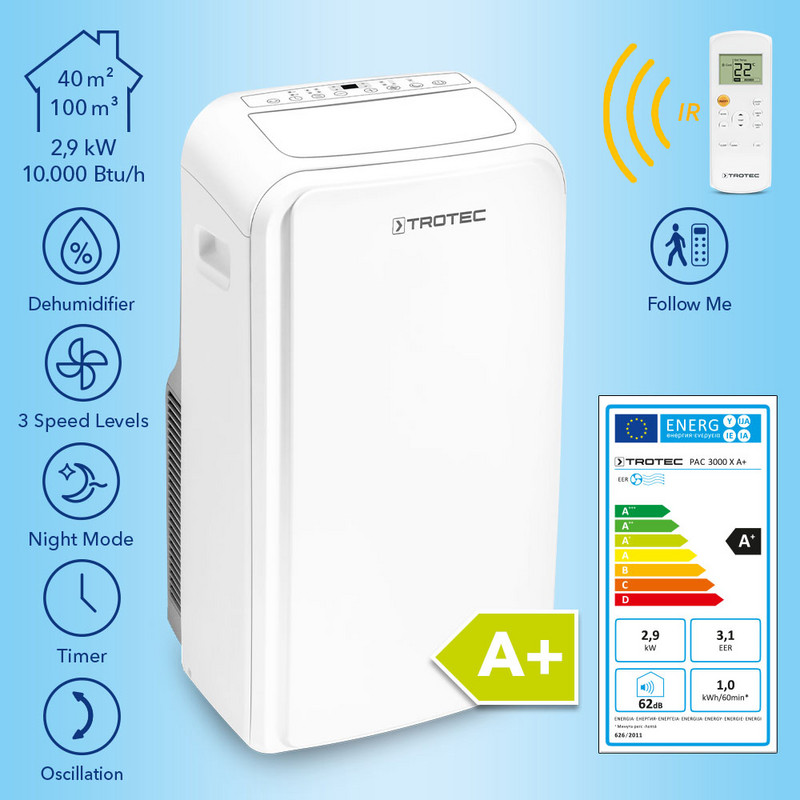
Trotec is a German brand that produces a wide range of climate control products, including fans, dehumidifiers, and air purifiers. Their products are designed for both consumer and professional use, with a variety of fans available, including high-velocity and industrial-grade models, as well as more compact options for home use.
Trotec’s German engineering ensures high performance and durability, making their fans a great choice for those who need reliable cooling solutions.
Their products are available through the Trotec website, European retailers and global ones like Rakuten.
4. Eurom (Netherlands) – Dutch Durability for Mobile Cooling
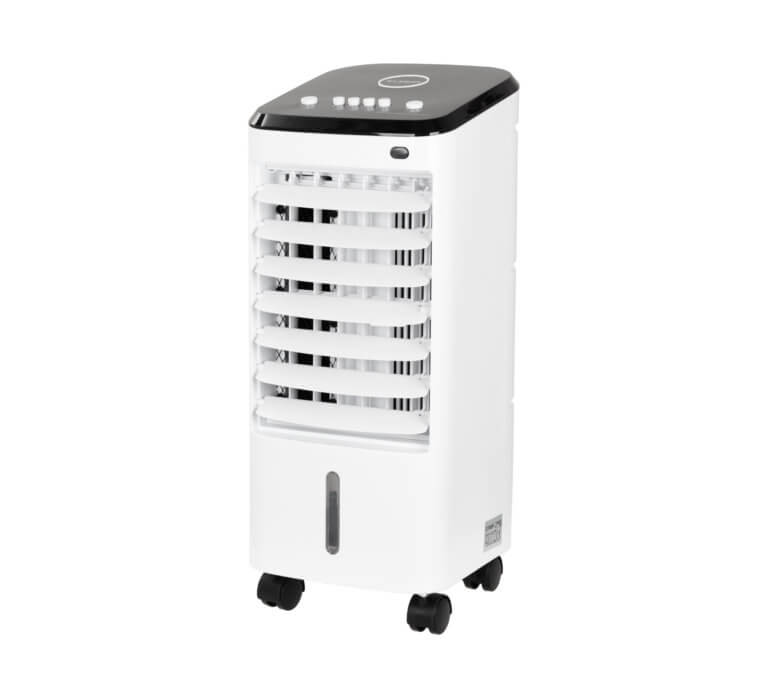
Eurom is a Dutch manufacturer with a long history of producing air conditioning and ventilation products. Their mobile and split-unit ACs are popular in Europe, and they also offer a range of fans designed for portability and ease of use.
Eurom’s products are known for their durability and reliability, with a focus on European manufacturing to ensure high-quality standards.
Their fans are a great option for those who need flexible cooling solutions and are available through European retailers and the Eurom website or resellers like Rakuten.
5. AEG (Germany/Sweden) – German Engineering for Home Appliances
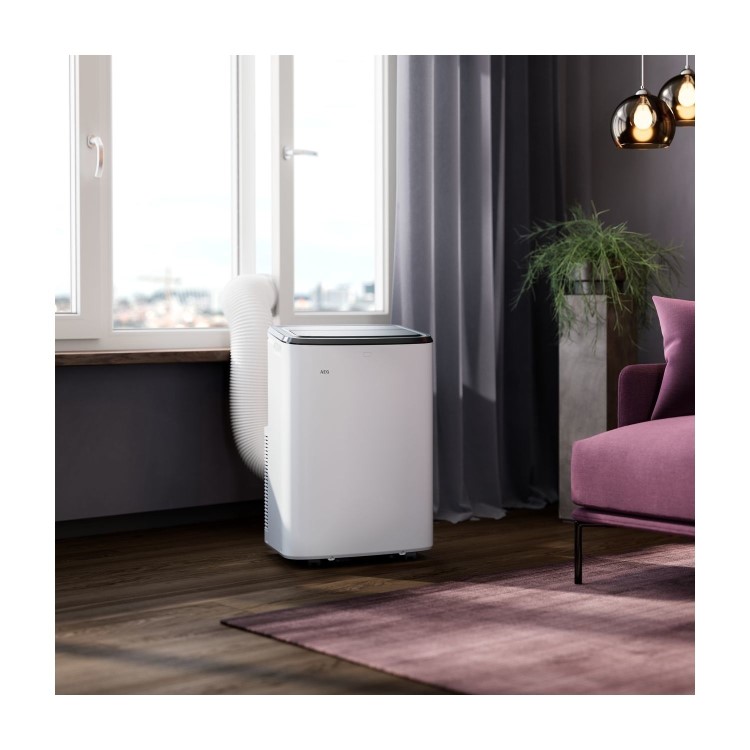
AEG is a German brand with a long history of producing high-quality home appliances, including electric fans.
As mentioned on our previous small appliances article, while the brand is now owned by the Swedish group Electrolux, AEG maintains a strong reputation for German engineering and durability.
Their fans and air conditioning units are designed to be powerful, quiet and generate reliable cool air. AEG’s commitment to quality and innovation makes their fans a trusted choice for consumers seeking European craftsmanship.
Some of its air conditioning products can only be found on certain countries or specific resellers.
6. De’Longhi (Italy) – Italian Style and Performance
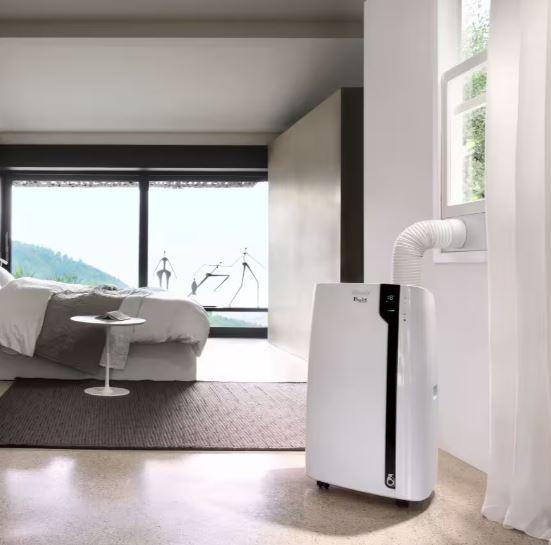
De’Longhi is an Italian brand known for its wide range of home appliances, including air conditioners and fans.
While their primary focus is on heating and cooling appliances, De’Longhi also offers fans that combine Italian style with reliable performance.
Even though most of their air conditioners are made in China, De’Longhi’s commitment to quality and design makes their fans a popular choice for those seeking both form and function.
7. Iris Ohyama (Japan/France) – Japanese Innovation with French Manufacturing
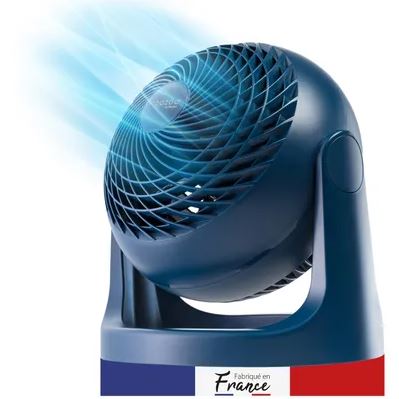
Iris Ohyama is a Japanese brand that has expanded its presence in Europe, offering a variety of home appliances, including electric fans. While the brand is Japanese, some of their fan models, such as the WooZoo table fan, are made in France, as listed on retailers like Cdiscount.
This makes Iris Ohyama a unique option for consumers seeking a blend of Japanese design and European manufacturing. Their fans are known for being affordable, quiet, and efficient, making them a practical choice for everyday cooling needs.
The Bigger Picture: Rethinking Cooling in a Warming Europe
While the search for European-made electric fans and air conditioners is important, it’s worth noting that even most European brands rely on global supply chains, often sourcing components like motors, electronics, or plastics from China or other countries. This means that finding a fan or air conditioner that is 100% manufactured in Europe—from raw materials to final assembly—is exceptionally rare. The reality is that the globalized nature of manufacturing makes it nearly impossible to avoid Chinese components entirely, even when purchasing from European brands.
This raises a critical question: Is our reliance on electric fans and air conditioners the only way to stay cool? The ongoing debate in France, for example, highlights the tension between the growing demand for air conditioning and the environmental, economic, and ethical concerns tied to its use. As reported by Franceinfo, the French government has faced pressure to install air conditioning in public services, while environmentalists and left-wing parties argue that prioritizing passive cooling methods and building renovation is a more sustainable long-term solution. Meanwhile, experts like François Gemenne emphasize the need for adaptation strategies, including building renovation and a balanced debate on air conditioning, as noted by France 24 and Parlons Politique
Instead of depending solely on energy-intensive cooling solutions, there’s a growing movement to revisit traditional and passive cooling methods that have been used for centuries, particularly in the warmer regions of Southern Europe. These approaches not only reduce energy consumption but also offer sustainable, long-term solutions for staying cool without relying on global supply chains. French media and experts have highlighted how older buildings in France were designed to stay cool naturally, with features like high ceilings, thick walls, and shaded courtyards. Many of these structures remain comfortable even during heatwaves, proving that passive cooling methods can be just as effective as modern technology. The French government has even encouraged retrofitting older buildings with insulation, reflective coatings, and natural ventilation systems to reduce reliance on air conditioning, as noted by ADEME and Slate.
Beyond Fans and Air Conditioners: Sustainable Ways to Stay Cool
Passive Cooling: Lessons from Southern Europe
Southern European countries like Spain, Italy, Greece, and Portugal have long relied on architectural designs and lifestyle adaptations to combat the heat without modern air conditioning. Many of these traditions are rooted in bioclimatic architecture, which uses natural elements to regulate indoor temperatures. Here are some time-tested strategies:
Architectural Designs:
Many traditional homes in Southern Europe feature thick stone or adobe walls, which absorb heat during the day and release it slowly at night, keeping interiors cool. High ceilings allow hot air to rise, while cross-ventilation—achieved through strategically placed windows and doors—encourages airflow. Shuttered windows and external blinds (often made of wood or metal) block direct sunlight while still allowing for ventilation. Courtyards and inner gardens (like those in Andalusian or Moorish architecture) create shaded, cool microclimates within the home.
Building Materials:
Materials like terracotta, clay, and stone are naturally cool to the touch and help maintain lower indoor temperatures. Whitewashed walls, a common sight in Greek islands or Andalusia, reflect sunlight rather than absorbing it, reducing heat gain. Tiled or stone floors also stay cooler than carpets or wood, providing a naturally cool surface underfoot.
Natural Ventilation:
Before electric fans, people relied on natural airflow. Opening windows at night to let in cooler air and closing them during the day to trap the coolness inside is a simple but effective strategy. Tower fans or ceiling fans (when available) can enhance this effect by circulating air without the energy demand of air conditioning. Even a wet towel hung in front of an open window can cool incoming air through evaporation.
Shading and Greenery:
External shading can blocks sunlight before it enters the home (think about awnings, pergolas, or vine-covered trellises). Indoor plants, particularly those with large leaves, can also help cool the air through transpiration. Green roofs and walls are modern adaptations of this principle, providing insulation and reducing the urban heat island effect.
Staying Cool with European Craftsmanship and Sustainable Practices
As Europe continues to face rising temperatures and increasing demand for cooling solutions, the search for high-quality, ethically made electric fans has never been more relevant. While Chinese manufacturers dominate the market, European brands like Rowenta, Eurom, Trotec, Duux, AEG, and De’Longhi offer alternatives that align with the values of quality, sustainability, and local support.
However, the bigger picture extends beyond the products we buy. True resilience in the face of heatwaves may require a shift in how we design our homes, communities, and daily lives. By embracing passive cooling methods, learning from Southern European traditions, and participating in the ongoing debate about sustainable cooling, we can stay cool in a way that’s both effective and environmentally responsible.
So, as the heatwave continues, consider not only which fan or air conditioner to buy but also how you can adapt your home and habits to stay cool naturally. The future of comfort in a warming world may lie in blending the best of modern technology with the wisdom of the past.