Outdoor gear is a category where American brands have long set the agenda: The North Face and Patagonia defined technical apparel, Osprey and Gregory dominate backpacks, MSR owns stoves and tents, and Arc’teryx (Canadian, but sold through the same US-led retail channels) became the premium default. What many buyers don’t realise is that Europe has a deeper outdoor heritage than any of them — alpinism was born in the Alps, and European brands have been equipping expeditions for over a century. There is a flip side, though: the outdoor sector has quietly become one of the most heavily acquired corners of the European consumer economy, and many brands that still market themselves as proudly European are no longer European-owned at all. Jack Wolfskin has belonged to China’s ANTA Sports since 2019, Salomon sits under the Chinese-controlled Amer Sports group, Haglöfs was sold by Asics to Hong Kong-based LionRock Capital, and as recently as October 2026 Swiss icon Mammut was acquired by the Chinese investment firm CPE, with headquarters and production reportedly staying in Switzerland. If you care about where your gear comes from, who owns the company behind it and where your money ends up, this guide is for you.
Below you will find the top ten brands and where to buy them online — including Muule, a French online marketplace we recommend for its transparency: its Muule Barometer, developed with Air Coop, an independent Annecy-based impact agency, rates every partner brand out of 100 across three pillars: eco-design, manufacturing chain and social responsibility.
A quick note before we start. Truly European-made outdoor gear is rare. Even heritage brands that are “widely known as European” manufacture most soft goods and footwear in Asia, primarily Vietnam and China. European manufacturing survives in surprising niches: tents, climbing hardware, boots and down processing. Always check the country of origin on the product label or the manufacturer’s specification sheet for the specific model before you buy.
1. Nordisk (Denmark) – Danish Tents, Swedish Stove Heritage
Fully European ★★★★★ 100/100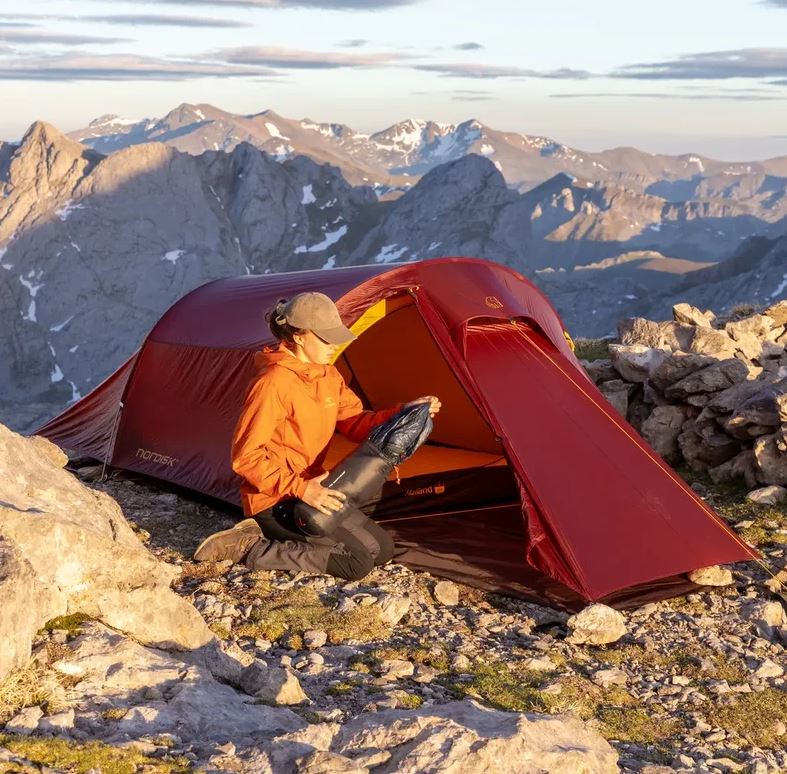
Nordisk, is one of Europe’s oldest outdoor companies, and 2026 marks its 125th anniversary: the company was founded in Copenhagen on 20 March 1901 as Nordisk Fjerfabrik (“Northern Feather”), the first Danish company to work exclusively with down and feathers, and that heritage still defines the brand today.
Nordisk designs every product in Denmark and manufactures in Germany.
“Only by overseeing the entire process ourselves can we combine exceptional sleeping comfort with the highest standards of quality and animal welfare. That’s why, for over 40 years, we have made every down sleeping bag by hand at our own manufaktur in Germany — using only upcycled, traceable European down.”
– Erik J. Møller, CEO of Nordisk
Nordisk also runs its own repair service for broken products and produces PFAS-free sleeping bags, and its 125 Years collection shows the brand leaning into its heritage rather than chasing trends.
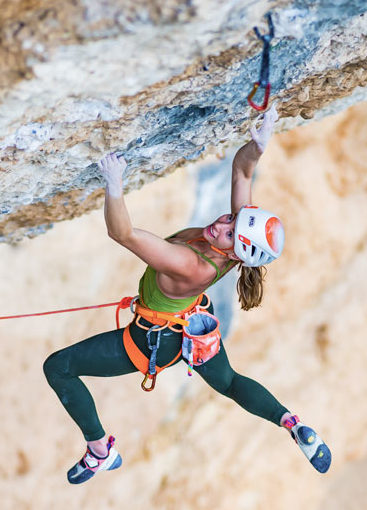
2. Petzl (France) – Climbing Hardware Made in France
Fully European ★★★★★ 100/100Petzl, founded by caver Fernand Petzl in the French Alps in 1975, remains family-affiliated through the Petzl family and its employees, and still manufactures a large share of its headlamps, helmets, harnesses and carabiners in France (Crolles, near Grenoble).
For climbers, mountaineers and cavers, Petzl is the European alternative to Black Diamond, with a legendary in-house testing culture and broad European service coverage; its products are consistently rated among the safest and most durable in independent reviews.
Petzl gear is available from the Petzl webshop and specialist European retailers such as Muule or Decathlon.
3. Hilleberg (Sweden) – The Red Tents, Sewn in Europe
Fully European ★★★★★ 100/100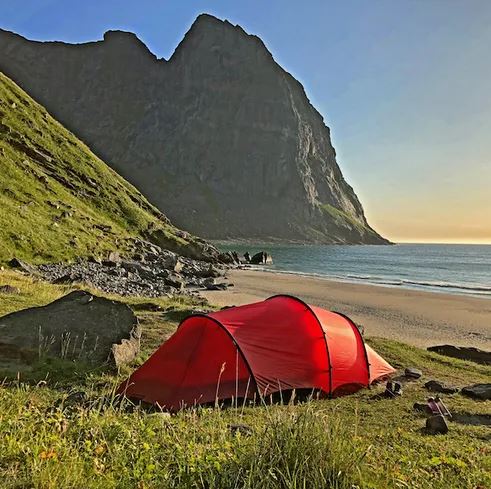
Hilleberg the Tentmaker was founded in 1971 by Bo Hilleberg, an Austrian-Swedish outdoorsman, and remains a family-run company whose Keron, Allak and Nallo tunnels and domes have a cult reputation among wilderness travellers in Scandinavia and the UK.
Unlike almost every competitor, Hilleberg red tents are sewn in the company’s own factory in Rapla, Estonia
4. Meindl (Germany) – Bavarian Bootmaking Tradition vs Danner & Merrell
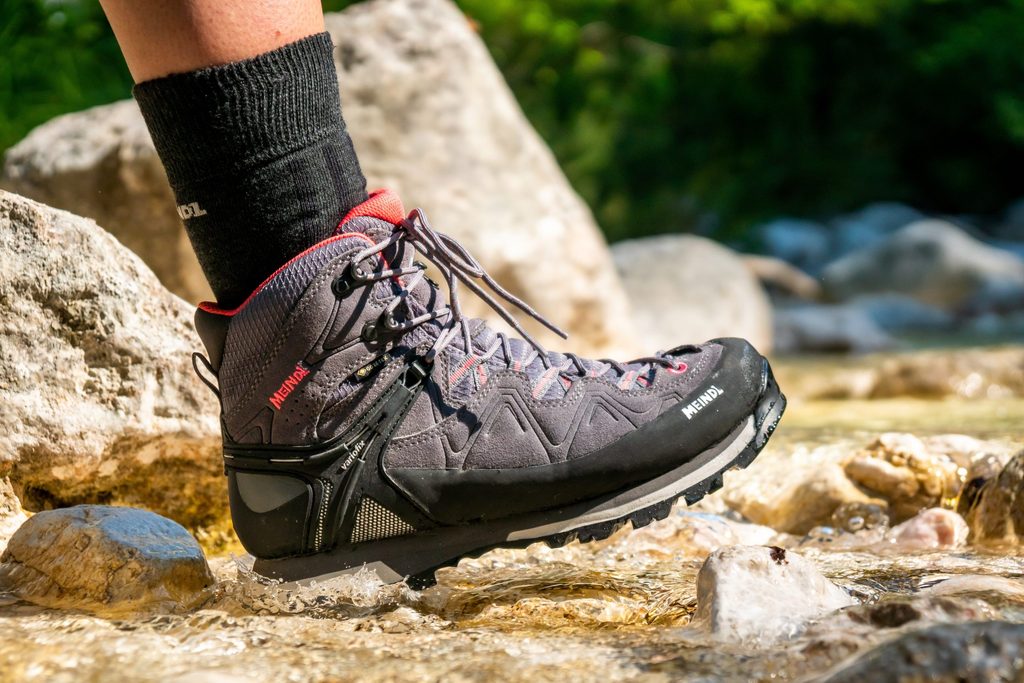
Fully European ★★★★★ 100/100Meindl, established in Kirchanschöring in Bavaria, traces its shoemaking lineage back to 1683 and is still family-run in the eighth generation, making it one of the oldest outdoor manufacturers in the world.
If there is one outdoor niche where Europe clearly outguns the US, it is hiking boots, and Meindl is its standard-bearer: many of its core models, such as the Perfekt and Borneo lines, are still hand-lasted and finished in Germany or nearby European facilities.
German boots cost more upfront but offer better long-term value through resoling and repair, and Meindl’s after-sales service is handled across Europe. Sold through the Meindl webshop and Muule.
5. La Sportiva (Italy) – Climbing Footwear with Real European Production
Strongly European ★★★★☆ 84/100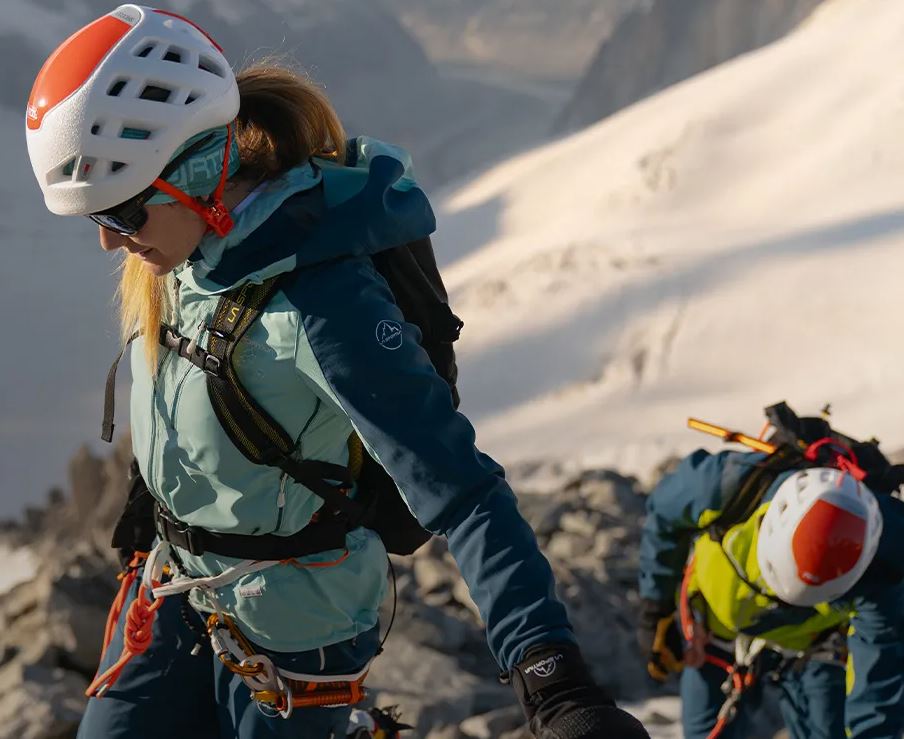
La Sportiva, founded in 1928 in La Valle di Zoldo and still run by the Delladio family, is the Dolomites’ other great footwear house, with a particular claim to fame: its climbing and mountain boots are manufactured at the family’s own factory in Italy, one of the very few technical-footwear production lines in Europe still in operation.
For products sold in the US, 60% of it is made in Italy while factories in China and Vietnam manufacture 28% and 12%, respectively. A similar ratio is to be expected so check the label on products before purchasing.
6. Vaude (Germany) – Europe’s Benchmark for Sustainable Outdoor Gear
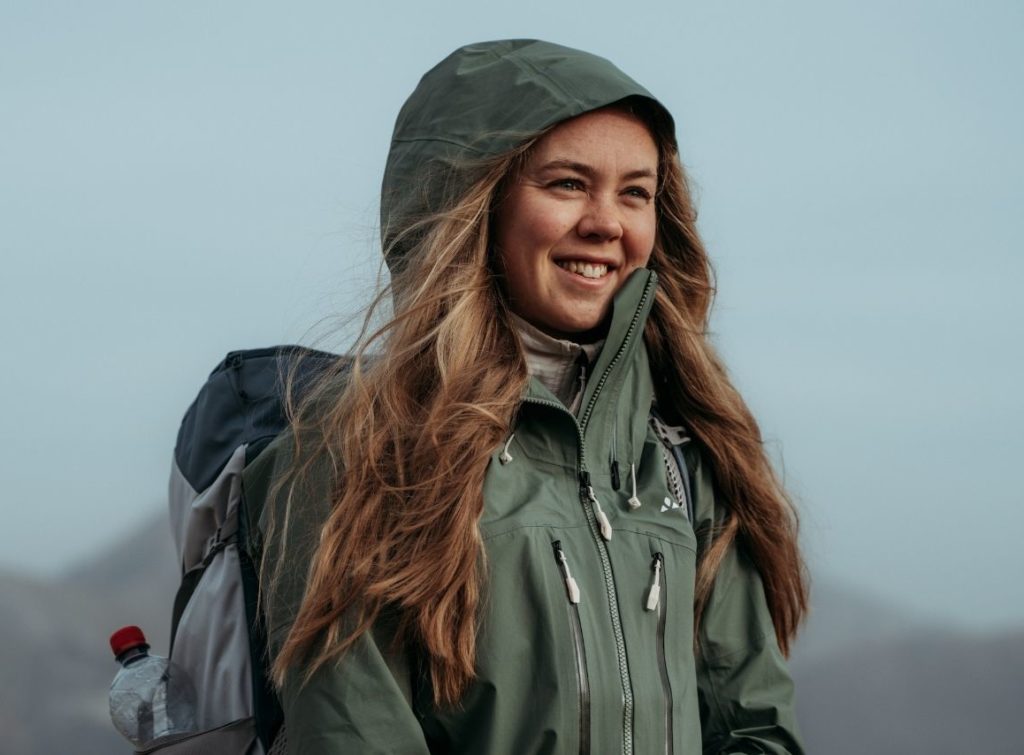
Strongly European ★★★★☆ 80/100Vaude is a family-owned company from Tettnang in southern Germany, founded in 1974 and still run according to the founding family’s values; if Patagonia is the US benchmark for environmental responsibility, Vaude is its European equal, and arguably ahead.
The company has been climate-neutral at its German headquarters since 2012, is a founding member of the Fair Wear Foundation, produces a growing share of its packs and panniers in Germany, and its Green Shape label guarantees strict environmental standards across the range, while its supply-chain transparency is among the best of any outdoor brand.
Vaude’s strength is bikepacking, trekking packs and waterproofs, with apparel manufacturing remaining in Asia.
Vaude is available through its own webshop and Muule, where it is regularly among the highest-scoring brands on their internal barometer.
7. Scarpa (Italy) – Dolomite Footwear vs Salomon
Strongly European ★★★★☆ 80/100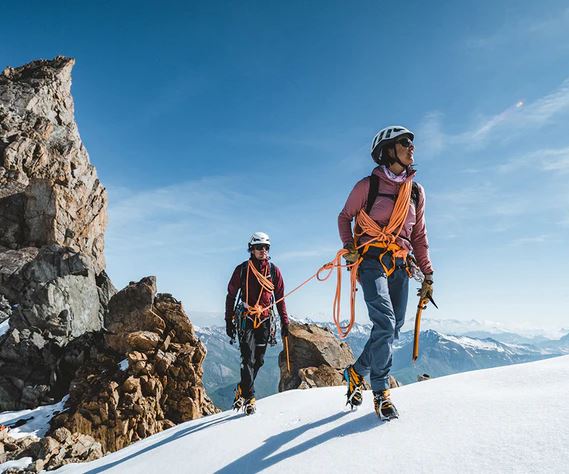
Scarpa, founded in Asolo in 1938 and anchored by the Parisotto family, is one of the two great footwear houses of the Dolomites, making everything from approach shoes to ski-touring boots and ice-climbing tools.
Scarpa designs its footwear in its Italian headquarters and manufactures its top-end mountain and ski models in Europe. But check the specific model, as entry-level lines are assembled in Asia too. For alpinism, ski touring and climbing, Scarpa is the natural European alternative to Salomon — which despite its French origin is owned by the Chinese-controlled Amer Sports group.
8. Fjällräven (Sweden) – The Arctic Fox That Refuses to Follow Trends
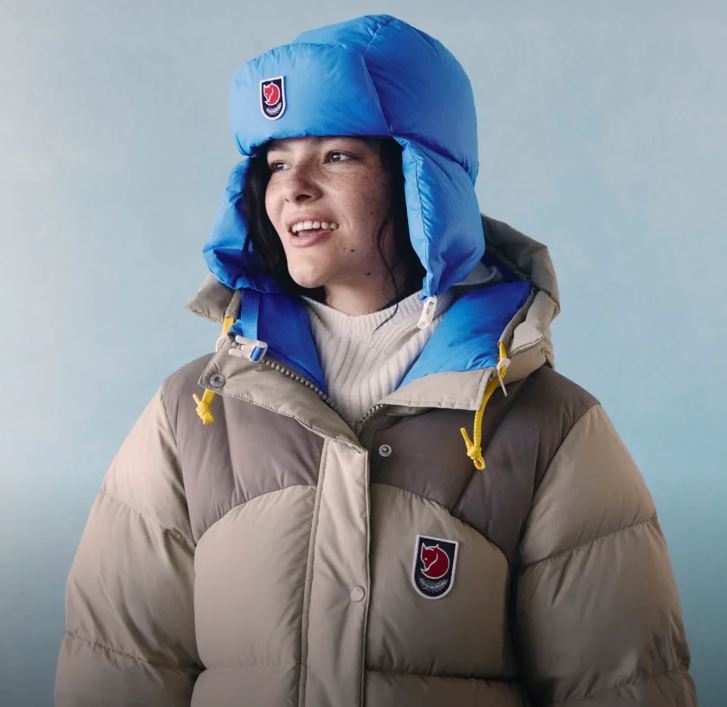
Moderately European ★★★☆☆ 60/100Fjällräven (“the arctic fox”) was founded in Örnsköldsvik in 1960 and is part of the Swedish-listed Fenix Outdoor group.
Its Kånken backpack and G-1000 waxed garments are among the most recognisable outdoor products in the world, and the brand’s commitment to sustainability, repairability and PFC-free DWR treatments runs deeper than most marketing departments’. The Kånken is made in Fjällräven’s own factory in Vietnam, but design, materials development and headquarters all remain firmly Swedish, and the company operates a Europe-wide repair network.
If you want a European-owned alternative to The North Face or Patagonia with comparable outdoor credibility and better repair support, this is the default answer.
9. Salewa (Italy) – Alpine Gear Born in the Dolomites
Moderately European ★★★☆☆ 60/100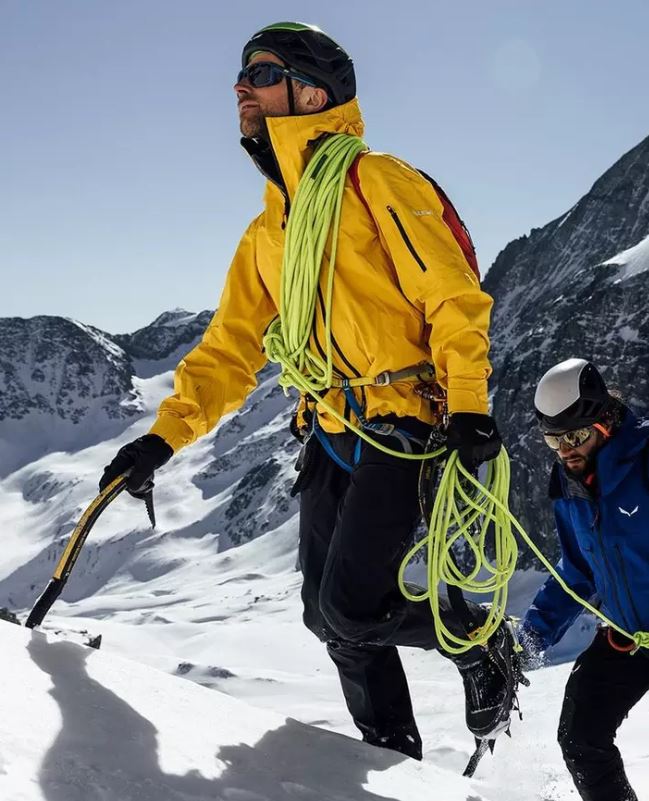
Salewa was founded in Munich in 1935 and today belongs to the Oberalp Group, a family-owned company headquartered in Bolzano in the Dolomites, making it arguably the most technically serious European alpine brand. Its alpinism-oriented apparel, harnesses, helmets and packs are developed in the South Tyrol, literally at the foot of the mountains they are built for.
Oberalp is the model of what European ownership should look like: multi-generational family control, in-house design and a group-wide sustainability strategy.
Yet, while manufacturing is largely in Asia, as with nearly all technical apparel, ownership, R&D and distribution are fully European.
10. Klättermusen (Sweden) – Over-Engineered Gear, Maximum Safety, Minimum Nature Impact
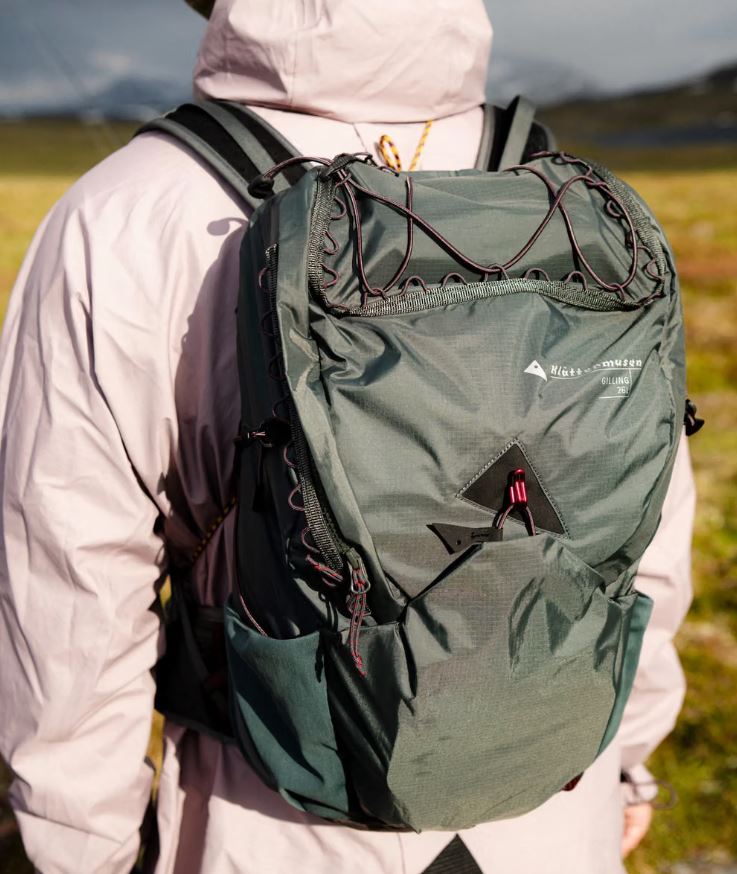
Moderately European ★★★☆☆ 60/100Klättermusen (“the climbing mouse”) was founded in 1975 in Åre, Sweden, by a disillusioned climber who began sewing his own harnesses, and it has spent fifty years doing one thing: making the most over-engineered, repairable alpine gear in Europe. Its motto is: “maximum safety for you, minimum impact on nature”. This shows up in details like cast-aluminium buckles, heavily recycled fabrics and a repair service that keeps decades-old packs on the trail.
Like Arc’teryx, Klättermusen occupies the premium technical tier, but it trades the Canadian brand’s fashion status for durability and a much smaller environmental footprint; manufacturing is in Asia under close supervision, while design and ownership remain firmly Swedish.
Conclusion
The European outdoor market is strongest exactly where the American giants are weakest: bootmaking, alpine hardware, tents and sustainability leadership. Petzl and Hilleberg prove that premium gear can still be made in Europe, Fjällräven and Vaude offer European-owned, repair-focused alternatives to The North Face and Patagonia, and Meindl, Scarpa and La Sportiva produce footwear no American brand can match for longevity. But the same honesty that applies to robot vacuums applies here: most European brands manufacture much of their range in Asia, and several famous “European” names — Mammut, Jack Wolfskin, Haglöfs, Salomon — are no longer European-owned at all. Check the ownership, check the country of origin on the label of the exact model you intend to buy, and you can build a kit that keeps your money and your gear in Europe.
Buying any of these instead of a US or Asian-owned import means supporting European design and engineering jobs, European repair networks and warranty handling, and supply chains subject to EU environmental rules. The best European online retailers for outdoor gear are Bergfreunde and Bergzeit (Germany), Snowleader (France), Cotswold Outdoor (UK) and the brands’ own webshops, which usually carry the widest size and colour ranges. Decathlon is also worth checking beyond its own Forclaz and Simond ranges: since opening its Marketplace, the French giant lists third-party outdoor brands alongside its house labels, so some of the names in this guide can be picked up there with the convenience of Decathlon’s store network and click-and-collect. For buyers who want ethical claims verified rather than taken on trust, Muule deserves a special mention: its Muule Barometer, developed with the independent impact agency Air Coop, scores every partner brand out of 100 on eco-design, manufacturing chain and social responsibility, with the score displayed directly on each product page — the kind of transparency we would like to see from every outdoor retailer.