
On May 1, 2026, the global automotive industry faced a significant disruption when the U.S. tore up a long-standing tariff deal with the EU and raised import duties on European cars and parts. This protectionist move threatens to make European-made vehicles more expensive in one of their largest export markets. For consumers, this serves as a stark reminder of the importance of supporting homegrown industries, particularly those that have shaped Europe’s economic and technological leadership for over a century.
Europe’s automotive sector is a powerhouse of innovation, craftsmanship, and sustainability. The continent is home to some of the world’s most iconic car manufacturers, with Germany being the top car exporter to the U.S.. These brands are not just economic giants but also symbols of European ingenuity. Their stories are rich with historical mergers, strategic acquisitions, and a commitment to local manufacturing that sustains millions of jobs across the continent.
Supporting the European automotive sector help sustain jobs in the sector, contributes to sustainability and innovation as these brands are investing in electrification and software development (Volkswagen invested €89 billion in electric vehicles and Stellantis committed €30 billion to electrification and software development) and shorter supply chain as over 60% of parts for European cars are sourced within the EU, reducing dependency on geopolitically unstable regions.
In this article, we explore the origins of the top 10 European car manufacturers, their ownership, where their cars and parts are made, and why buying European is more critical than ever.
We also introduce a “Made-in-Europe” score to rank these brands based on their commitment to European manufacturing and ownership. This score is based on the following criteria:
- Ownership (40%): Percentage of the company owned by European entities.
- Manufacturing (40%): Percentage of the brand’s global production that takes place in Europe.
- R&D and Headquarters (20%): Location of the brand’s headquarters and primary research and development centers.
The scores are as follows:
- 100-90: Fully European
- 89-70: Strongly European
- 69-50: Moderately European
- Below 50: Limited European commitment
1. Porsche: The German Performance Legend
Made-in-Europe: ★★★★★ 100/100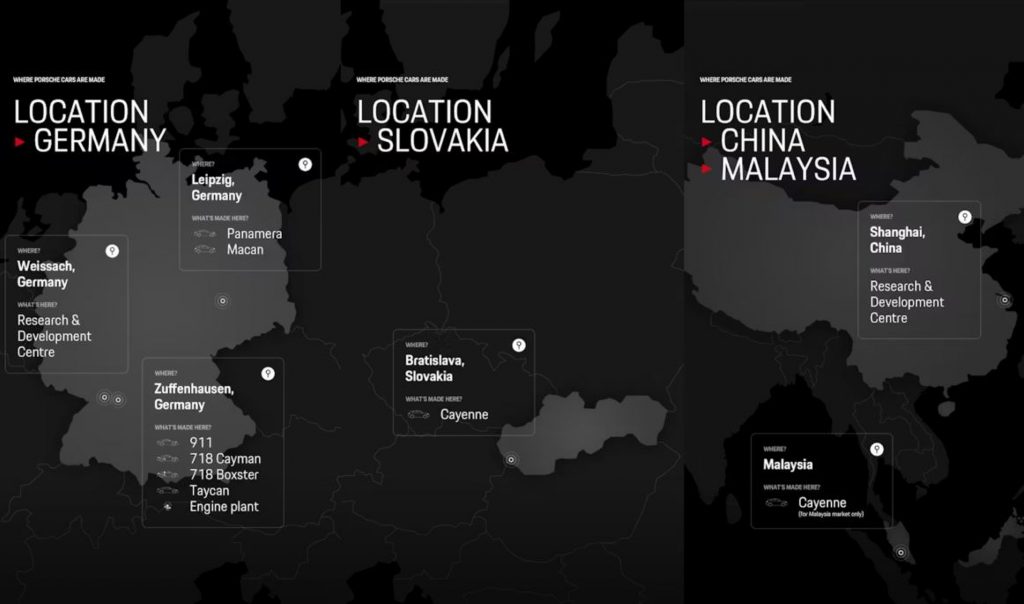
Porsche, founded in 1931 by Ferdinand Porsche, is renowned for its sports cars and racing heritage. Since 2012, Porsche AG has been fully owned by the Volkswagen Group, with Porsche SE, a separate entity, holding a controlling stake in Volkswagen. This complex ownership structure ensures that Porsche remains a key part of the Volkswagen Group while maintaining its independent identity.
Porsche’s manufacturing operations are entirely based in Europe. The Stuttgart-Zuffenhausen plant in Germany produces the iconic 911 and the Taycan, Porsche’s first all-electric sports car. The Leipzig plant manufactures the Macan and Panamera. Additionally, Porsche has engine component production in Brno, Czech Republic. All Porsche cars are manufactured in Europe, with significant investments in the Zuffenhausen plant for electric vehicle production.
2. Ferrari: The Italian Supercar Icon
Made-in-Europe: ★★★★★ 100/100Ferrari, founded in 1939 by Enzo Ferrari, is the epitome of Italian luxury and performance. The company is publicly traded, with Piero Ferrari, Enzo’s son, holding a 10% stake. The remaining shares are owned by institutional and retail investors, predominantly European. Ferrari is also part of the Ferrari N.V. group, which is listed on the New York Stock Exchange.
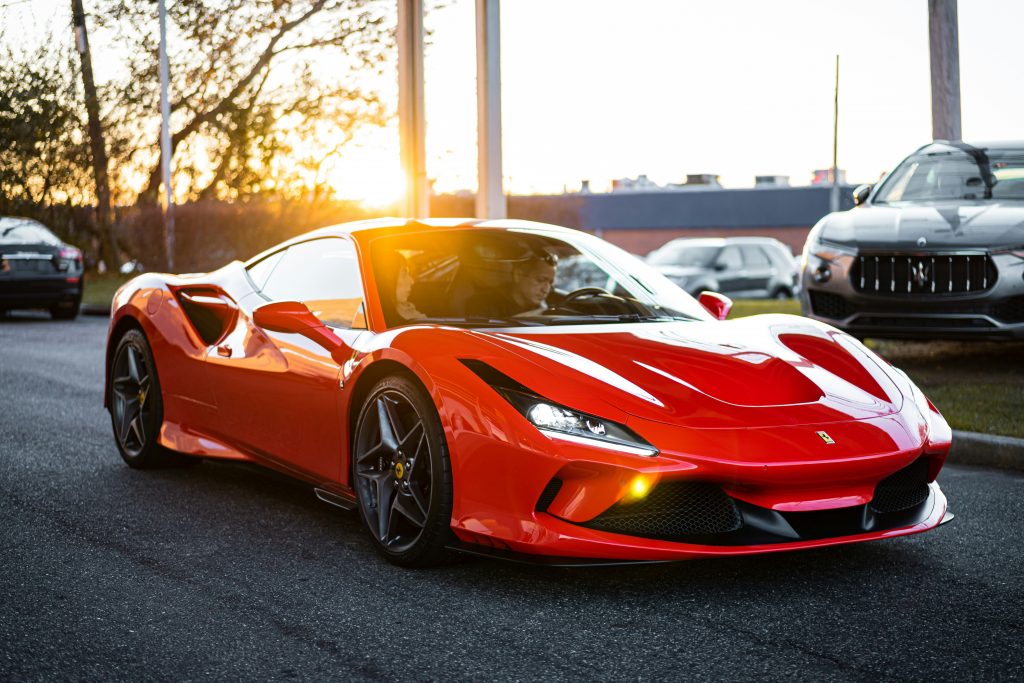
Ferrari’s manufacturing operations are entirely based in Italy. The Maranello plant produces all Ferrari models, while the Modena plant is dedicated to engine manufacturing. Ferrari has invested €200 million in a new electric vehicle plant in Maranello, ensuring that 100% of its production remains in Italy.
3. Volkswagen Group (Including Audi): The People’s Car and Luxury Engineering
Made-in-Europe: ★★★★☆ 85/100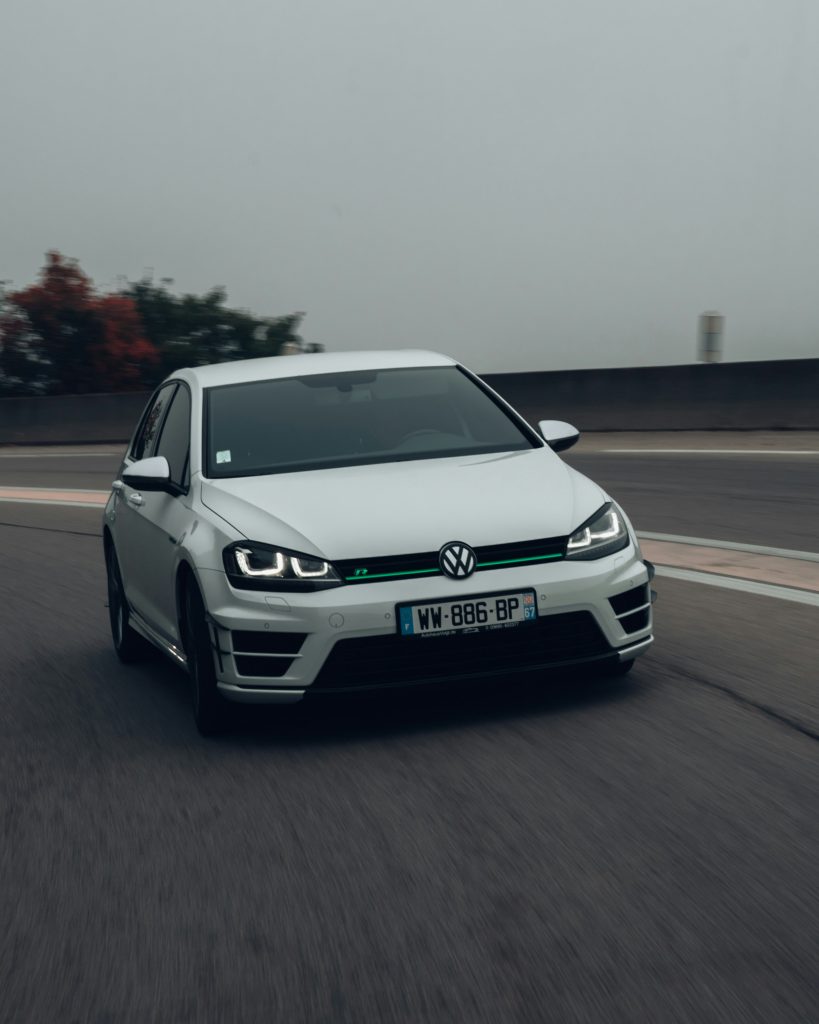
Volkswagen, founded in 1937 by the German Labour Front, was originally tasked with producing an affordable car for the German people, the iconic Beetle. After World War II, the company was revived under British control and grew into a global automaker.
Today, the Volkswagen Group, which includes Audi, is Europe’s largest car manufacturer, with a 2026 revenue of $348 billion and a workforce of over 683,000 employees.
The Volkswagen Group is controlled by Porsche SE, which holds a majority stake, while the state of Lower Saxony and Qatar Investment Authority also own significant shares.
Volkswagen operates manufacturing plants across 27 countries, with a strong focus on Europe. In Germany, the Wolfsburg plant produces popular models like the Golf, Tiguan, and Jetta, while the Zwickau plant specializes in electric models such as the ID.3 and ID.4. Audi’s manufacturing operations are heavily concentrated in Europe, with plants in Ingolstadt, Neckarsulm, Győr (Hungary), Brussels (Belgium), and Martorell (Spain). However, the Volkswagen Group also owns Škoda, which has significant production in China, manufacturing its three millionth car in China. Additionally, Volkswagen has announced plans to export Chinese-made cars to more overseas markets, although it has ruled out exporting Chinese-made cars to Europe, as reported by Reuters.
4. BMW Group: The Ultimate Driving Machine
Made-in-Europe: ★★★★☆ 85/100Bayerische Motoren Werke (BMW), founded in 1916 as an aircraft engine manufacturer, transitioned to motorcycles and cars and is now a luxury automotive leader. With a 2026 revenue of €133.5 billion and a global workforce of 154,540, BMW is owned by a mix of institutional investors and the Quandt family, which holds a significant stake. BMW’s portfolio includes the BMW, MINI, Rolls-Royce, and BMW Motorrad brands.
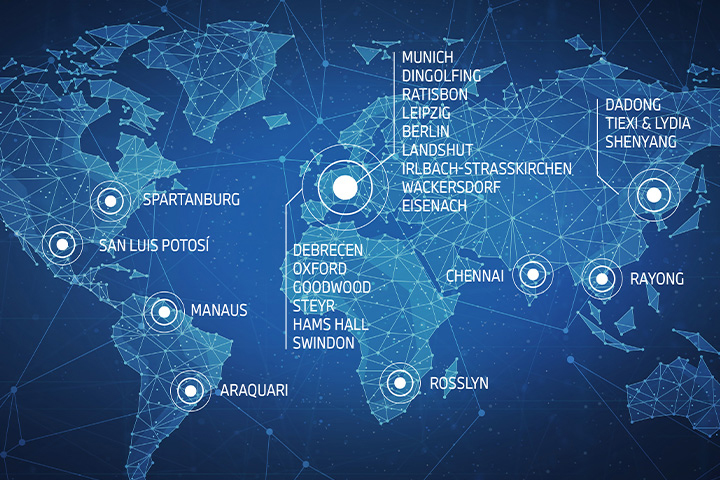
BMW’s global production network includes over 30 sites, with a strong emphasis on Europe. In Germany, the Munich plant produces the 3 Series and 4 Series, while the Dingolfing plant manufactures the 5 Series and 7 Series. The Regensburg plant is responsible for the 1 Series and X1. In the UK, the Oxford plant produces MINI models, and the Goodwood plant manufactures Rolls-Royce vehicles. Austria’s Graz plant assembles the X3, X4, X5, and X6, while Hungary’s Debrecen plant produces the iX3 and i4. Although BMW also has significant production facilities in the US, China, and Mexico, over 50% of its global production remains in Europe, with €2 billion invested in German plants for electric vehicle production.
5. Renault Group: The French Pioneer with Global Ambitions
Made-in-Europe: ★★★☆☆ 75/100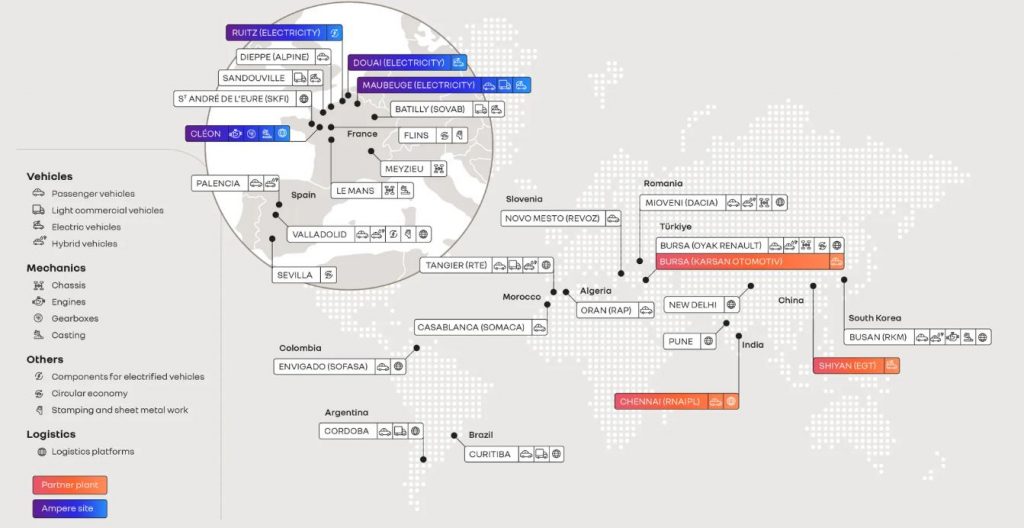
Renault, founded in 1899 by Louis Renault, is one of the oldest car manufacturers in the world. Headquartered in Boulogne-Billancourt, France, Renault has evolved into a global player with a 2026 revenue of $60.8 billion. The Renault Group is primarily owned by the French state, which holds a significant stake, along with institutional and retail investors. Renault also has a long-standing alliance with Nissan and Mitsubishi, although these are separate companies.
Renault operates 36 manufacturing sites across 128 countries, with a strong European footprint. In France, the Flins plant produces the Zoe and Clio, while the Douai plant manufactures the Megane and Austral. The Sandouville plant is responsible for the Kangoo. In Romania, the Mioveni plant produces Dacia models like the Sandero and Jogger. Spain’s Valladolid plant manufactures the Captur and Austral, and the Palencia plant produces the Megane. While Renault also has production facilities in countries like Turkey, Morocco, and South Korea, it has invested €1 billion in its French plants to produce electric vehicles and batteries, ensuring that a significant portion of its European sales are locally manufactured.
6. Stellantis: The Franco-Italian-American Powerhouse
Made-in-Europe: ★★★☆☆ 75/100Stellantis, headquartered in the Netherlands, was formed in 2021 through the merger of Fiat Chrysler Automobiles (FCA) and PSA Group (Peugeot Citroën), creating the world’s fourth-largest automaker by volume.
The company is publicly listed and owned by a diverse group of shareholders, with Exor N.V., the investment company of the Agnelli family, holding a significant stake.
Stellantis designs, manufactures, and markets vehicles under 14 brands, including Jeep, Ram, Peugeot, Citroën, Fiat, Alfa Romeo, and Maserati.
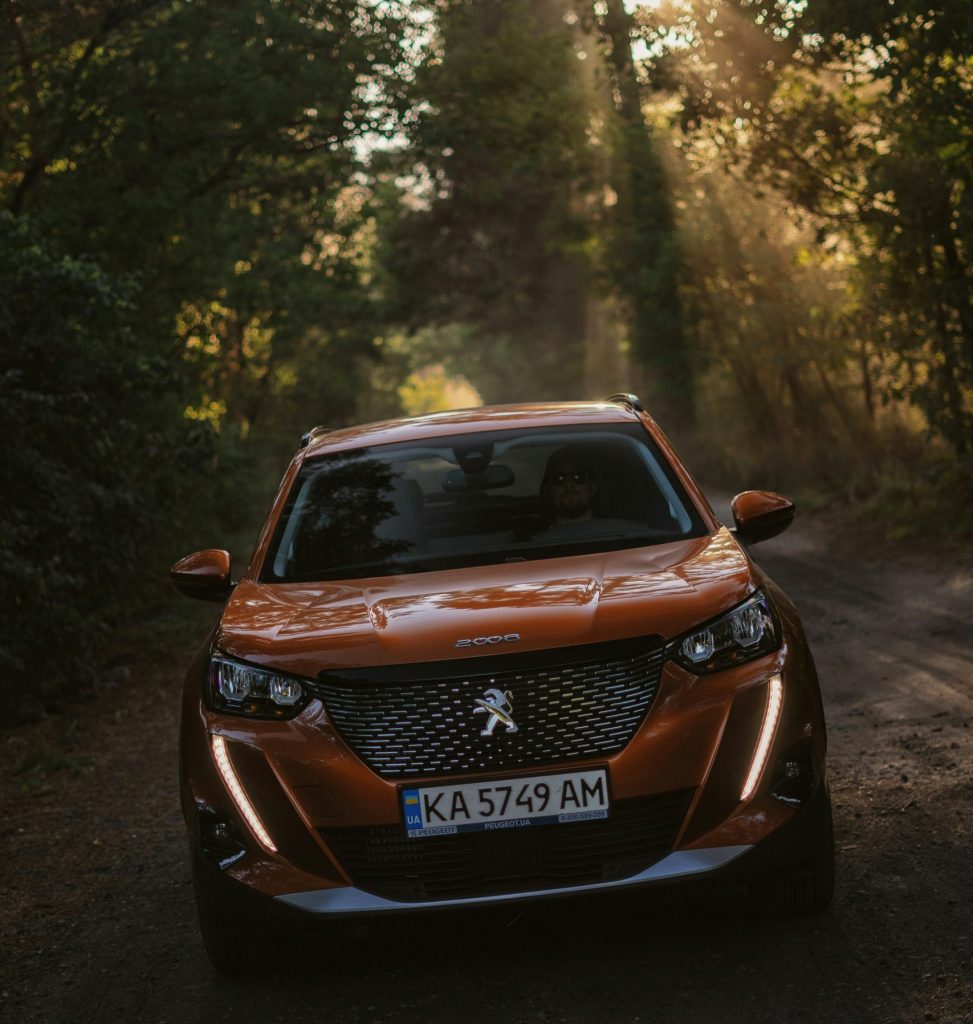
Stellantis has manufacturing operations in 30 countries, including significant production in Europe. In France, the Sochaux plant produces the Peugeot 308 and 3008, while the Mulhouse plant manufactures the Citroën C4. Italy is home to the Mirafiori plant, where the Fiat 500 and Maserati Ghibli are assembled, and the Cassino plant, which produces the Alfa Romeo Giulia. Germany hosts the Rüsselsheim plant for Opel Astra and Insignia production, and Poland’s Tychy plant manufactures the Fiat 500 and Lancia Ypsilon. While Stellantis also has major production facilities in North America, a substantial portion of its European production remains within the EU, with heavy investments in electric vehicle plants in France, Italy, and Germany.
It’s worth noting that while Stellantis’ score for Made-in-Europe is not the highest, the company has very limited manufacturing sites in China and has significantly reduced its local production footprint and strategy, dissolving its joint venture with GAC Group in 2022, which had produced Jeep vehicles, citing a lack of progress and geopolitical concerns. Stellantis also sold its stakes in the Dongfeng factories to Dongfeng Motor as part of a strategy to reduce fixed assets and exit direct manufacturing operations in the region.
7. Aston Martin: British Luxury with Global Ownership
Made-in-Europe: ★★★☆☆ 75/100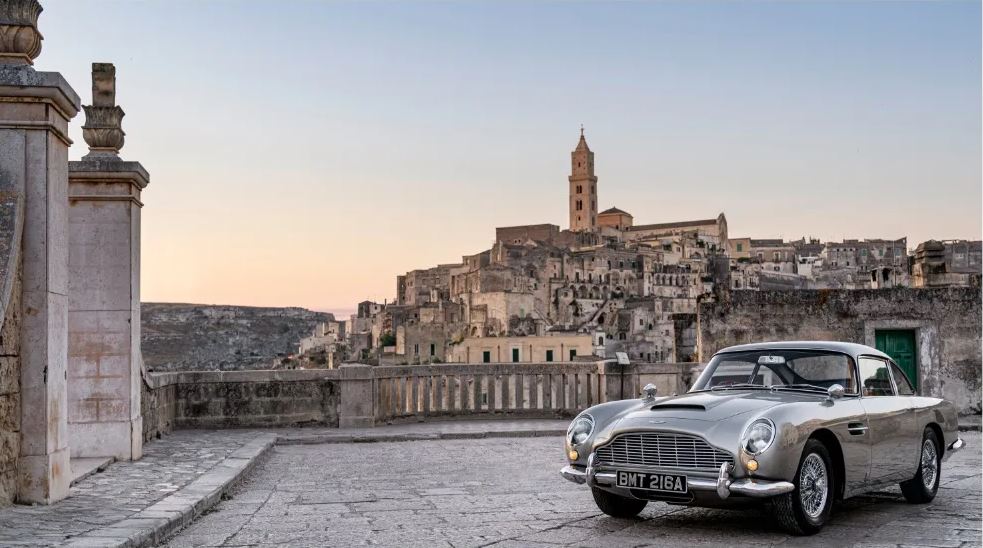
Aston Martin, founded in 1913, is a British luxury automobile manufacturer known for its handcrafted sports cars and grand tourers. The company is publicly traded, with significant ownership by a consortium of investors, including Lawrence Stroll and a group of international stakeholders. Despite some past controversies and global ownership, Aston Martin remains committed to its British roots, with its headquarters and primary manufacturing facilities located in the UK.
Aston Martin’s manufacturing operations are primarily based in the UK. The Gaydon plant in Warwickshire is the heart of Aston Martin’s production, where models like the DB11, DBS Superleggera, and Vantage are handcrafted. The company has also invested in a new manufacturing facility in St Athan, Wales, for its SUV models like the DBX. While there have been concerns in the past about potential Chinese influence, Aston Martin continues to emphasize its British heritage and manufacturing excellence.
It’s great to see the icon of the James Bond franchise still made in the UK!
8. Mercedes-Benz Group: The Birthplace of the Automobile
Made-in-Europe: ★★★☆☆ 70/100Mercedes-Benz traces its roots to 1886, when Karl Benz patented the first gasoline-powered car. The 1926 merger of Benz & Cie. and Daimler-Motoren-Gesellschaft formed Daimler-Benz, the company behind the Mercedes-Benz brand. Today, Mercedes-Benz Group AG, formerly Daimler AG, is a luxury and innovation leader with a 2026 revenue of €165.6 billion. The company is publicly traded, with significant ownership by institutional investors and the Kuwait Investment Authority.
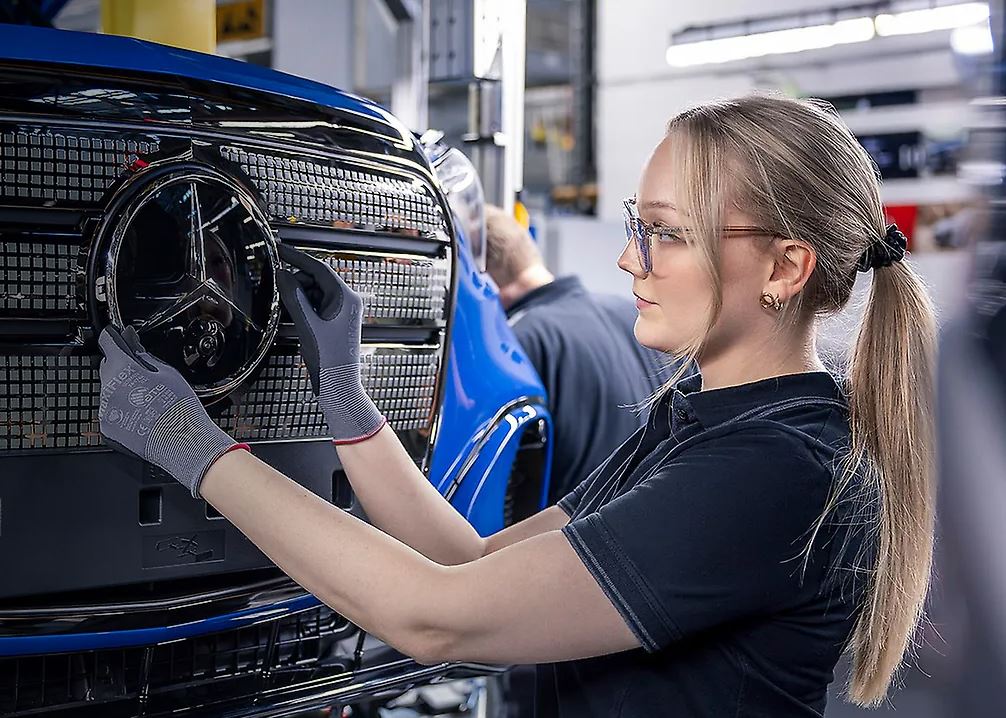
Mercedes-Benz operates production facilities in 22 countries, with a strong European base. In Germany, the Stuttgart plant produces the S-Class and E-Class, while the Sindelfingen plant manufactures the C-Class and EQE. The Bremen plant is responsible for the C-Class and GLC. Hungary’s Kecskemét plant assembles the A-Class and B-Class, and France’s Hambach plant produces the Smart EQ. It is important to note that Smart is a joint venture between Mercedes-Benz and Geely, a Chinese automotive group, which slightly reduces Mercedes-Benz’s Made-in-Europe score. Spain’s Vitoria plant manufactures the Vito and EQV, while Poland’s Jawor plant produces batteries for EQ models. While Mercedes-Benz also has major production facilities in the US and China, approximately 60% of its vehicles are produced in Europe, with €40 billion earmarked for electric vehicle and battery plants in Germany and Hungary.
9. Jaguar Land Rover: British Luxury and Adventure with Indian Ownership
Made-in-Europe: ★★★☆☆ 60/100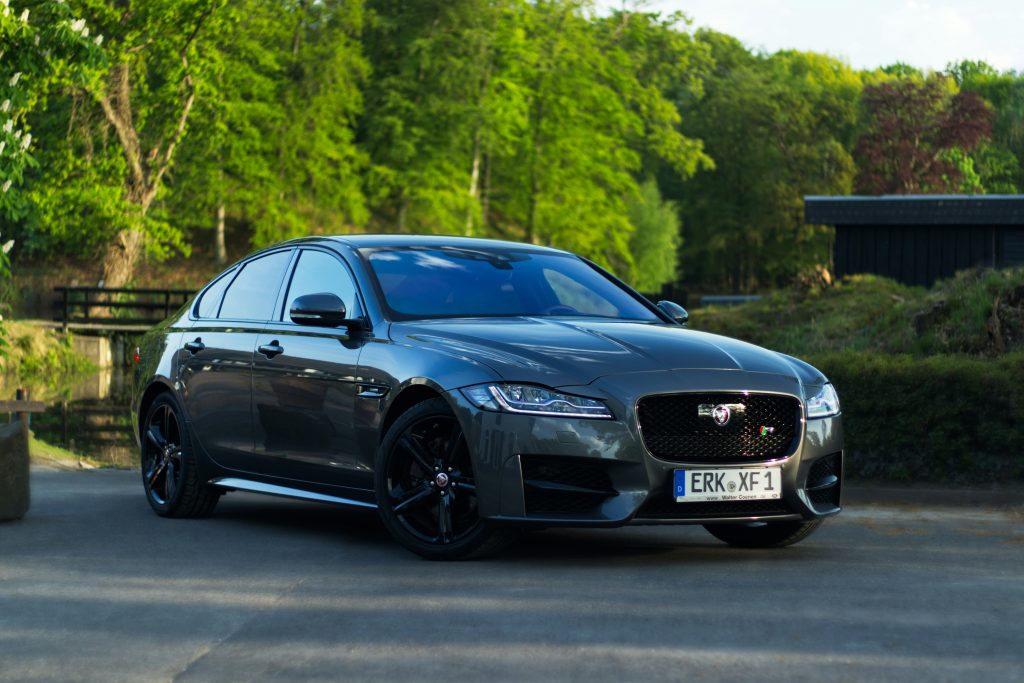
Jaguar Land Rover (JLR) is a British automotive icon, formed from the merger of Jaguar, founded in 1922, and Land Rover, founded in 1948. JLR is owned by Tata Motors, an Indian multinational automotive corporation, which acquired the brands from Ford in 2008. Despite Indian ownership, JLR remains a symbol of British engineering, with its design and engineering centers located in the UK.
JLR’s manufacturing operations are primarily based in the UK, Slovakia, Austria, and India. The Castle Bromwich plant in the UK produces the Jaguar XE and XF, while the Solihull plant manufactures the Land Rover Defender and Range Rover. The Halewood plant is responsible for the Land Rover Discovery and Jaguar E-Pace. In Slovakia, the Nitra plant produces the Land Rover Defender, and in Austria, the Graz plant manufactures the Jaguar I-Pace. In India, the Pune plant produces models like the Jaguar XE and Land Rover Discovery Sport for the local and global markets. While JLR has invested £2.5 billion in its UK electric vehicle production facilities, a portion of its production has shifted to non-European countries.
10. Volvo Cars: The Swedish Brand with Chinese Ownership
Made-in-Europe: ★★☆☆☆ 50/100Volvo, founded in 1927 in Gothenburg, Sweden, is synonymous with safety and sustainability. The company is owned by Geely, a Chinese automotive group, which acquired Volvo from Ford in 2010.
Despite Chinese ownership, Volvo’s headquarters and primary research and development centers remain in Sweden.
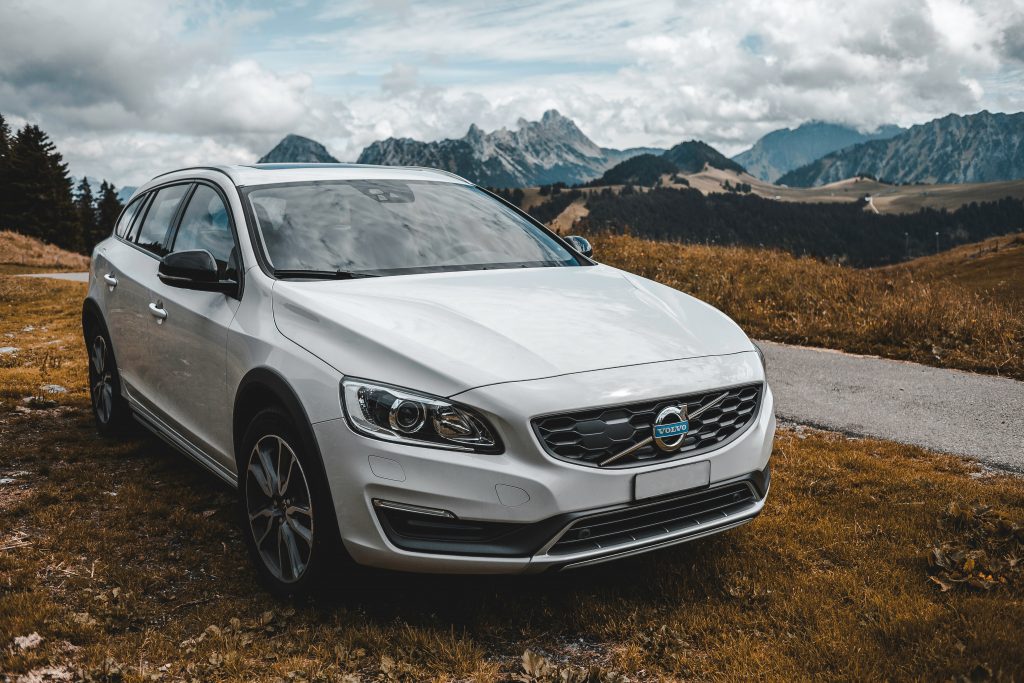
Volvo operates manufacturing plants in Sweden, Belgium, China, and the United States. The Torslanda plant in Sweden produces the XC90 and XC60, while the Gothenburg facility focuses on research and development. In Belgium, the Ghent plant manufactures the XC40 and C40. In China, the Chengdu plant produces models like the S90 and XC60 for the Asian market, and the Daqing plant manufactures the XC60 for the Chinese market. In the United States, the Ridgeville, South Carolina plant produces the S60 and XC90 for the North American market. While Volvo’s European plants continue to produce models for the European market, a significant portion of its global production now takes place outside of Europe.
Supporting the European Automobile sector in a different way: Auto parts
While choosing a European-made car is a significant step, supporting European businesses throughout the entire ownership experience is equally important.
Oscaro is a leading online retailer specializing in auto parts and accessories, with a strong focus on European brands and manufacturers.
Founded in France, Oscaro offers an extensive catalogue of over 1 million parts, including components from major European manufacturers like Bosch, Valeo, and Continental and can also be found in Portugal, Spain and Belgium.
Oscaro’s commitment to quality and European manufacturing aligns perfectly with the values of supporting local industries. By sourcing parts from European suppliers, Oscaro helps sustain jobs and innovation within the continent. Whether you’re maintaining a Porsche, Renault, or any other European vehicle, Oscaro provides a convenient and reliable way to ensure your car continues to run with high-quality, European-made components.
Conclusion: Drive European, Drive the Future
The top 10 European car companies are not just businesses; they are pillars of European identity, innovation, and economic strength. From Porsche’s and Ferrari’s full commitment to European manufacturing to Volkswagen’s and Audi’s significant European presence, these brands have shaped the automotive world while staying committed to local manufacturing and sustainability. However, it is important to note that not all brands are fully European-owned or manufactured. For instance, Volvo is owned by the Chinese company Geely, and a significant portion of its production takes place in China and the US. Similarly, Jaguar Land Rover is owned by India’s Tata Motors, with production facilities in India and other non-European countries. Mercedes-Benz, while predominantly European, has a joint venture with Geely for the Smart brand, which slightly reduces its score.
In the face of rising protectionism and global uncertainty, choosing a European-made car is more than a purchase: it is a statement of support for jobs, innovation, and the future of our continent. The next time you are in the market for a new car, consider where it was made, who owns the brand, and what your choice says about the world you want to live in.
The road to a stronger Europe starts with the cars we drive and the parts we use to maintain them.